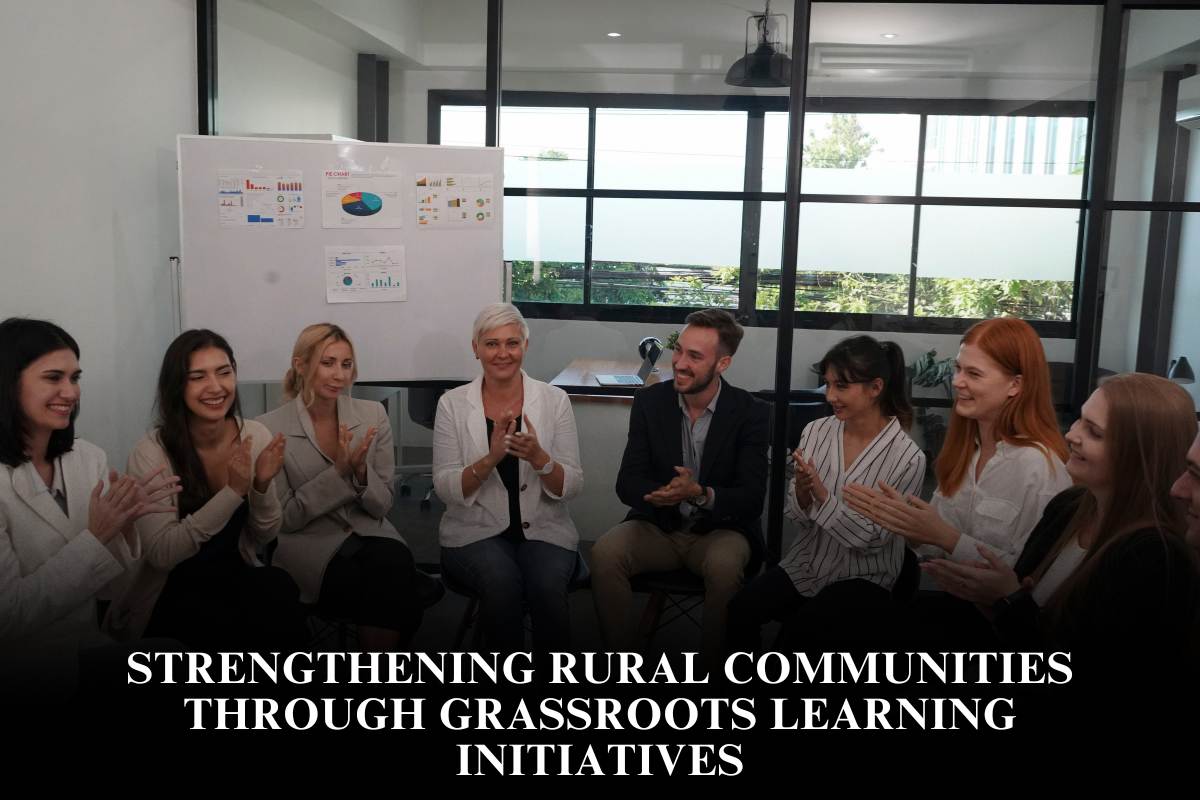
Community participation fuels social transformation by enabling residents to identify issues, co-create solutions, and sustain change, as seen in U.S. movements from civil rights to modern grassroots efforts. In the USA, where historical examples like the Civil Rights Movement mobilized millions, active involvement builds social capital, equity, and resilience against systemic challenges.
Defining Community Participation
Community participation involves residents actively shaping decisions, policies, and initiatives affecting their lives, from local forums to national advocacy. It progresses through levels—informing, consulting, involving, collaborating, and empowering—leading to ownership and transformative outcomes. In the U.S., this aligns with democratic ideals, amplifying marginalized voices in low-income, rural, or minority communities historically excluded from power structures.
Historical Impact in the USA
U.S. history showcases participation driving profound shifts. The Civil Rights Movement (1954-1968) featured grassroots actions like Montgomery Bus Boycott, Greensboro sit-ins, and Selma marches, dismantling segregation via nonviolent protests organized by churches, students, and local groups.
Similarly, women’s suffrage and labor rights movements relied on collective mobilization, proving participation accelerates policy reforms like the Voting Rights Act. These examples illustrate how sustained engagement creates lasting legal and cultural changes.
Mechanisms of Social Transformation
Participation transforms societies by fostering social cohesion, trust, and collective efficacy.
- Building Social Capital: Interactions via events, volunteering, and forums strengthen networks, enhancing safety and wellbeing.
- Amplifying Marginalized Voices: Inclusive processes empower people of color, immigrants, and low-income groups, dismantling barriers through advocacy.
- Co-Creating Solutions: Community-led identification of problems, like in Shape Up Somerville’s obesity reduction, ensures relevant, sustainable interventions.
- Driving Policy Change: Public consultations and campaigns influence equitable decisions, as in youth-led civics projects addressing local issues.
These dynamics shift power from institutions to residents, promoting equity.
Modern Examples and Strategies
Contemporary U.S. initiatives highlight participation’s power. Black Lives Matter mobilized communities post-2020 for police reform, while collective impact efforts like Communities That Care reduced teen substance abuse through inclusive coalitions.
Strategies include digital tools (social media, apps), town halls, and training for engagement, as in Omaha’s inCOMMON model fostering co-creation. Funders increasingly support grassroots groups, emphasizing community-driven change over top-down approaches.
Benefits for Communities and Society
Active participation boosts civic satisfaction, resilience, and health outcomes by creating ownership. It reduces isolation, enhances democratic depth beyond voting, and yields equitable policies, as evidenced in poverty reduction roundtables. Economically, empowered communities tackle issues like housing or education more effectively, with youth activism yielding community improvements. Nationally, this counters division, building vibrant, adaptive neighborhoods.
Challenges and Solutions
Barriers like apathy, distrust, or access gaps hinder participation, particularly for underserved groups. Solutions involve transparent outreach, capacity-building via training, and technology for broader reach, ensuring inclusivity from inception. Successful initiatives prioritize leadership development and feedback loops, sustaining momentum.
Pathways to Greater Involvement
Americans can drive transformation through accessible steps.
- Join Local Groups: Participate in neighborhood associations or volunteer drives.
- Attend Public Forums: Voice input on policies via consultations or apps.
- Leverage Digital Tools: Use platforms for petitions and virtual meetings.
- Support Youth Engagement: Back school civics for future leaders.
Consistent action scales local efforts to national impact.
Frequently Asked Questions (FAQs)
1. What distinguishes transformative community participation?
It empowers residents to lead identification, design, and execution of solutions, beyond mere consultation.
2. How did the Civil Rights Movement exemplify participation?
Through grassroots protests, boycotts, and sit-ins organized by local groups, leading to desegregation laws.
3. What barriers prevent U.S. community engagement?
Distrust, access issues for marginalized groups, and top-down models; overcome via inclusive training and tech.
4. Can participation address modern issues like inequality?
Yes, via movements like Black Lives Matter and coalitions reducing poverty or obesity through collective action.
5. How do individuals start participating effectively?
Attend forums, join volunteers, use digital advocacy, and build skills through community resources.