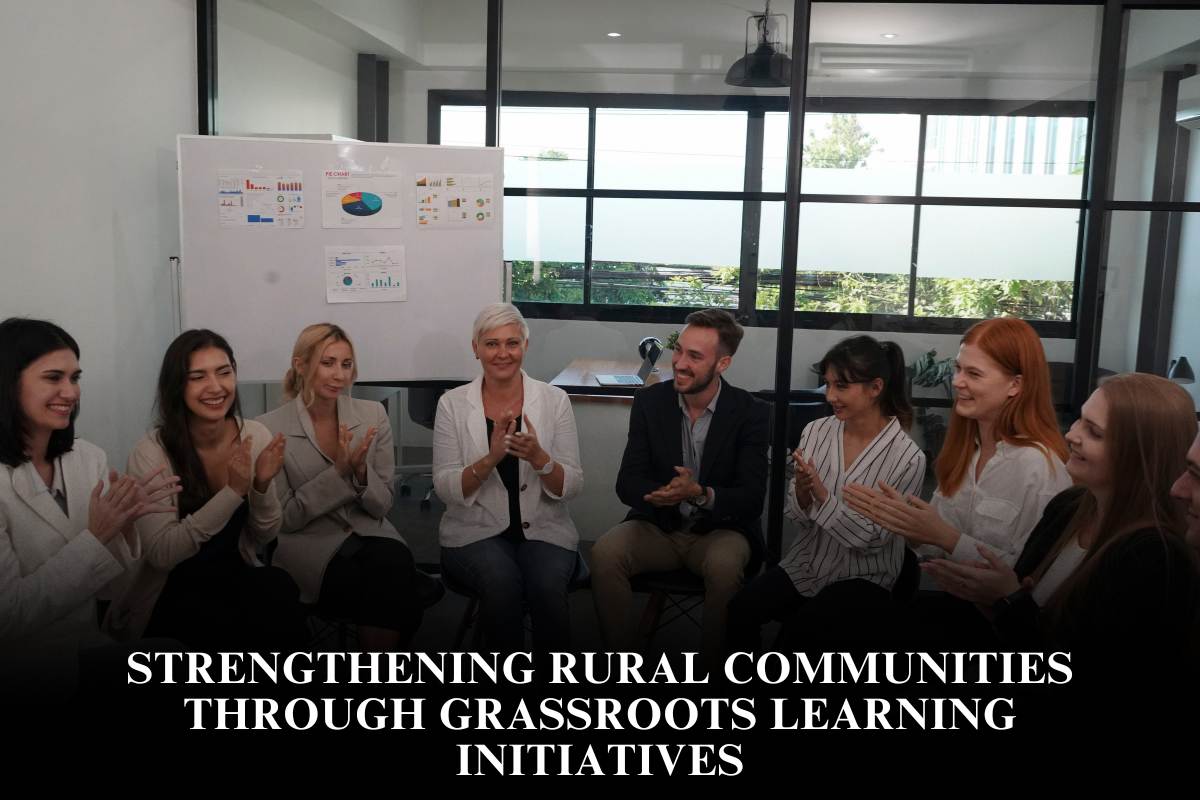
Community leadership stands at the heart of sustainable development. Empowering individuals with knowledge, critical thinking, and problem-solving skills fuels positive transformation across social, economic, and environmental dimensions.
In today’s world, integrating science education with community awareness initiatives can bridge the gap between academic knowledge and real-life problem-solving. Practical science education encourages active participation, innovation, and accountability—essential traits for effective community leadership.
The Need for Science-Driven Community Leadership
Many community challenges—water scarcity, waste management, public health crises, or sustainable agriculture—are deeply rooted in scientific principles. Yet, in several regions, especially in rural and semi-urban areas, science education remains theoretical, detached from everyday life. By introducing practical science education, communities can better understand the causes and solutions to local issues.
For example, a farmer trained in soil nutrient analysis can use scientific methods to improve crop yield sustainably. Similarly, youth aware of environmental science principles can lead local actions for clean water and renewable energy usage. This combination of awareness and practical knowledge nurtures confidence, responsibility, and leadership from within the community rather than relying on external authorities.
Linking Awareness to Practical Learning
Awareness programs act as the first step in developing leadership. When citizens understand issues like climate change, sanitation, nutrition, or technology use, they are more likely to act collectively. However, awareness without applied understanding often leads to short-lived impact.
By merging awareness campaigns with hands-on science learning—such as demonstrations, lab workshops, and project-based learning—participants move from passive observers to active problem-solvers.
They begin to see how scientific thinking applies to water purification, sustainable farming, or disease prevention. This not only deepens comprehension but also fosters innovation and teamwork among youth, women, and local change agents.
Role of Educational Institutions and NGOs
Schools, colleges, and non-governmental organizations (NGOs) play a pivotal role in integrating practical science education with leadership training.
- Community Science Clubs can serve as platforms for young learners to apply classroom knowledge.
- Field-based learning exposes students to ongoing community issues such as waste segregation or energy conservation.
- Collaborative projects between schools and local administrations can address specific challenges like clean drinking water or affordable housing materials.
Moreover, NGOs working in education or rural development can organize science awareness camps and leadership training sessions, helping participants develop both technical and soft skills such as communication, teamwork, and ethical decision-making.
Women and Youth as Change Agents
Empowering women and youth through science-based education has a ripple effect on community progress. Women trained in food preservation, health monitoring, or clean energy use enhance family welfare and economic independence. Similarly, youth exposed to scientific problem-solving often emerge as innovators and local leaders.
Programs like community science fairs, green technology projects, or local research initiatives can turn young minds into resourceful leaders capable of driving long-term change. Encouraging mentorship and intergenerational learning ensures that leadership values and scientific curiosity are passed on effectively.
Building Sustainable Development Through Science
Sustainable development goals (SDGs) such as clean energy, quality education, and responsible consumption can be advanced through practical science education. Communities equipped with scientific understanding make informed decisions about their resources and environment. For instance, by understanding renewable energy technologies, rural leaders can implement solar or biogas solutions independently.
Leadership, in this context, becomes participatory—grounded not only in personal influence but also in evidence-based reasoning. The ability to understand and interpret scientific data allows leaders to develop strategies that are both socially inclusive and environmentally sustainable.
Strategies for Implementation
To integrate awareness and practical science education successfully at the community level, several strategies can be adopted:
- Localized Curriculum: Develop community-specific science content that reflects local problems and resources.
- Experiential Learning: Organize workshops, field projects, and citizen science programs.
- Public Engagement: Partner with media, NGOs, local councils, and businesses to promote science-based solutions.
- Leadership Training Modules: Include communication, ethics, and critical thinking alongside technical education.
- Mentorship Programs: Pair young learners with scientists, professionals, or experienced community leaders to build continuity.
These approaches ensure that scientific awareness transforms into actionable leadership, creating communities capable of adaptive and sustainable progress.
Challenges and Opportunities
Despite the promise, barriers such as lack of funding, inadequate teacher training, and cultural inertia can slow progress. Overcoming these requires multi-level collaboration among government agencies, educational institutions, industries, and community organizations.
The increasing availability of digital tools, mobile learning platforms, and community radio provides new opportunities for spreading scientific literacy and leadership skills even in remote areas.
Community leadership development rooted in awareness and practical science education is not merely an academic pursuit—it is a strategic necessity. When science becomes part of daily problem-solving, it transforms ordinary citizens into active change-makers.
Through consistent investment in experiential learning, mentorship, and inclusive education, societies can cultivate leaders who think critically, act ethically, and innovate sustainably for the common good.
FAQs
1. How does science education promote leadership in communities?
Science education nurtures analytical thinking, problem-solving, and evidence-based decision-making. These skills empower individuals to understand local problems and take informed actions, fostering leadership grounded in rationality and social responsibility.
2. What are examples of practical science applications for community development?
Practical science helps communities address issues like water filtration, organic farming, renewable energy installation, and waste recycling. Such applications directly improve living conditions while promoting environmental and economic sustainability.
3. Why is awareness important before leadership training?
Awareness helps individuals recognize the relevance of issues and motivates them to take action. Without awareness, even technically trained individuals may not see the need for collective leadership or scientific innovation in solving daily problems.
4. How can rural areas integrate science education with traditional practices?
Rural communities can harmonize traditional wisdom with modern science by creating hybrid learning modules—such as combining indigenous soil management with laboratory-based soil testing or integrating herbal medicine knowledge with health science education.
5. What role can local governments play in promoting science-based leadership?
Local authorities can provide infrastructure, funding, and policy support for community-led science projects. They can also facilitate partnerships between schools, NGOs, and industries to ensure continuous skill development and leadership growth among citizens.