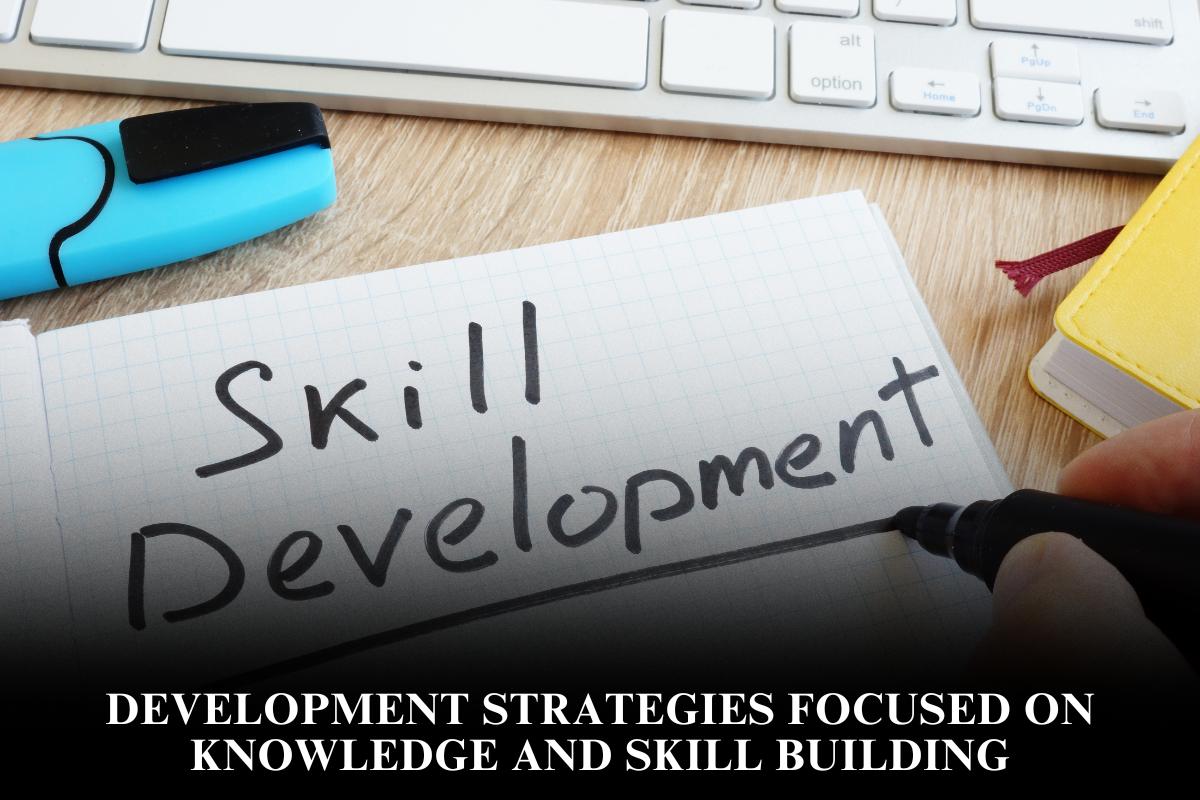
Development strategies centered on knowledge and skill building empower individuals to thrive in the competitive US workforce, where continuous learning drives career mobility and economic resilience.
Tailored to American resources like online certifications and apprenticeships, these approaches align with President Trump’s emphasis on vocational training and innovation. Consistent implementation yields higher earnings, adaptability, and personal fulfillment.
Assess Current Skills and Set Targets
Begin with self-assessments using tools like LinkedIn’s skills quizzes or O*NET from the US Department of Labor to identify gaps in high-demand areas such as AI, cybersecurity, and data analytics.
Set SMART goals—specific, measurable, achievable, relevant, time-bound—for milestones like completing a Google Data Analytics Certificate within six months. This foundational step, embraced by 70% of advancing professionals per Indeed surveys, ensures focused progress amid rapid job market shifts.
Embrace Structured Online Learning
Leverage platforms like Coursera, edX, and Udacity for micro-credentials recognized by US employers, offering flexible schedules for working adults.
Enroll in specializations such as IBM’s AI Engineering or Meta’s Digital Marketing, where project-based learning builds portfolios that boost hireability by 40%. These align with Workforce Innovation and Opportunity Act (WIOA) funding through American Job Centers, making upskilling accessible nationwide.
Pursue Hands-On Practice and Projects
Apply knowledge through real-world projects on GitHub, Kaggle, or freelance sites like Upwork, simulating job tasks to reinforce retention—studies show 75% better mastery via active application. Join coding bootcamps like General Assembly or freeCodeCamp for intensive training, with graduates landing tech roles 2x faster. In trades, apprenticeships via Apprenticeship.gov provide paid skill-building in manufacturing and renewables, key under current pro-worker policies.
Integrate Soft Skills Training
Develop communication, leadership, and adaptability via Toastmasters clubs or Harvard’s online courses, as 92% of US executives prioritize them per NACE data. Role-play scenarios and seek feedback through peer networks to excel in hybrid teams. These complement technical skills, enhancing promotion rates by 30% in diverse sectors from finance to healthcare.
Network and Seek Mentorship
Attend industry events like TechCrunch Disrupt or SHRM conferences, and use LinkedIn for virtual connections—85% of US jobs fill via networks. Pair with mentors through programs like SCORE for entrepreneurs or Big Brothers Big Sisters for career guidance, accelerating skill application. Regular check-ins build accountability, turning knowledge into professional leverage.
Track Progress and Certify Achievements
Maintain a development log with quarterly reviews, celebrating wins like CompTIA A+ or PMP certifications that increase salaries by 15-25% per PayScale. Stack credentials via platforms like Credly for digital badges shareable on resumes. Employer tuition reimbursement, expanded in recent policies, offsets costs for ongoing growth.
Foster Lifelong Habits
Dedicate 5-10 hours weekly to podcasts like “How I Built This” or books such as “Deep Work,” integrating habits like spaced repetition for retention. Community college extensions and university MOOCs sustain momentum, with lifelong learners reporting 50% higher job satisfaction. These strategies ensure enduring competitiveness in America’s merit-driven economy.
Targeted development transforms potential into proficiency, fueling personal and national prosperity in a skills-first landscape.
FAQs
1. How do self-assessments guide US skill development?
Tools like O*NET pinpoint gaps, enabling SMART goals that focus 70% of professionals on high-impact areas like AI.
2. Why prioritize online platforms for knowledge building?
Coursera and edX offer employer-valued certificates with projects, boosting hireability by 40% via WIOA-supported access.
3. What makes hands-on practice essential?
Projects on Kaggle yield 75% better retention, with bootcamps doubling job placement in tech and trades.
4. How do soft skills enhance strategies?
Training via Toastmasters prepares for teams, raising promotions by 30% as valued by 92% of executives.
5. Why track certifications in development plans?
They validate skills, lifting pay 15-25%; digital badges via Credly showcase progress to employers.