Traffic cones blur into a narrow orange tunnel, engines hum a little too loud, and a Caltrans worker stands just a few feet from cars flying past at freeway speed. That moment—the thin line between routine roadwork and tragedy—is exactly what California lawmakers say they’re trying to fix as a new wave of speed enforcement cameras goes live across the state.
Starting this year, California is installing 75 new automated speed cameras in highway construction zones, and the penalties aren’t symbolic. If you’re clocked at 11 mph or more above the posted limit, you’re getting fined. No warning. No grace period. And depending on how fast you’re going, that ticket can climb all the way to $500.
California’s new work zone speed camera law explained
The change comes from Assembly Bill 289, passed in 2025 and now officially in effect. The law authorizes Caltrans to deploy speed enforcement cameras specifically in active highway work zones, areas that historically see some of the most dangerous driving behavior.
The goal isn’t subtle. It’s deterrence.
Assemblyman Matt Haney, the bill’s author, didn’t mince words when the legislation passed. “Every single year, we lose 8,610 Caltrans workers; whatever the number is, it’s too many,” he said during floor debate. The figure reflects injuries and serious incidents reported annually—not just fatalities—and underscores how risky roadside work has become.
According to Caltrans data, speeding is a leading factor in work zone crashes across the state. The Federal Highway Administration has long warned that work zones combine narrowed lanes, sudden stops, and distracted drivers—a recipe for disaster. California is now leaning on technology to force drivers to slow down.
Official details on the program can be found through Caltrans and the California State Legislature’s AB 289 documentation, available via https://www.caltrans.ca.gov and https://leginfo.legislature.ca.gov.
How much will the fines cost drivers?
The fine structure is tiered, and it escalates quickly. Lawmakers intentionally avoided a flat fee, arguing that higher speeds should carry steeper consequences.
Here’s how the penalties break down under the new law:
| Speed over limit | Fine amount |
|---|---|
| 11–15 mph | $50 |
| 16–25 mph | $100 |
| 26+ mph | $200 |
| 100+ mph | $500 |
The $500 fine is reserved for extreme cases—drivers clocked at 100 mph or more above the posted speed limit. That’s rare, but not unheard of on open highway stretches, even in construction zones.
Emergency vehicles are the only exemption. Police cars, fire engines, and ambulances responding to emergencies will not be cited. Everyone else is fair game.
Unlike traditional traffic stops, these citations are mailed to the registered owner of the vehicle. The camera captures speed data and vehicle information, and the fine follows.
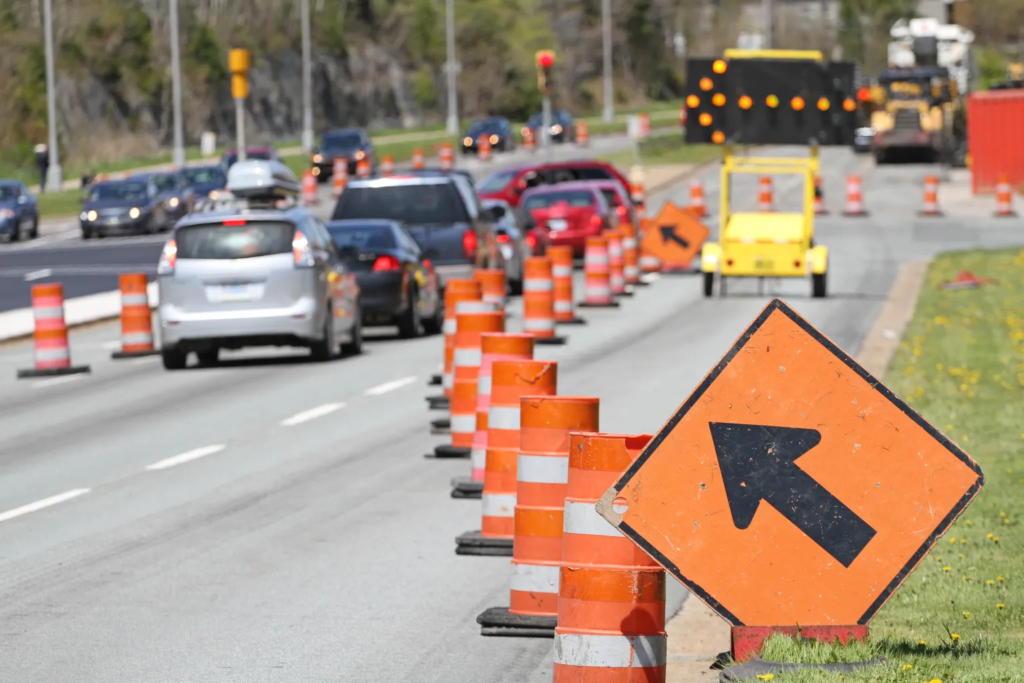
Why construction workers pushed hard for this law
For the people working these zones every day, the new cameras feel overdue.
Ricardo Alarcon, a 13-year road construction veteran, told Fox affiliate KMPH that he’s seen far too many close calls to count. “Crashes and, unfortunately, a few fatalities that never lose my memory,” he said. His words echo what many highway workers quietly share: the job feels more dangerous now than it did a decade ago.
Work zones don’t just slow traffic; they shrink margins for error. A driver glancing at a phone or pushing 15 mph over the limit can turn a routine shift into a life-altering moment for someone in a hard hat.
Labor groups representing Caltrans workers have backed AB 289 from the beginning, arguing that visible enforcement—especially automated enforcement—forces behavior change more effectively than patrol cars alone.
Other states already tried this. The results were hard to ignore
California didn’t invent this idea. Lawmakers looked closely at states that had already rolled out similar programs.
Pennsylvania, for example, reported a 19% reduction in work zone crashes after installing automated speed enforcement in construction areas. Maryland saw an even sharper behavioral shift: an 80% drop in work zone speeding violations once cameras were activated.
Those numbers caught Sacramento’s attention.
Transportation safety studies from agencies like the National Highway Traffic Safety Administration (https://www.nhtsa.gov) consistently show that certainty of punishment matters more than severity. In simple terms, drivers slow down when they know they will get caught.
A broader wave of new traffic laws coming in 2026
California’s speed camera rollout isn’t happening in isolation. Across the country, states are tightening traffic enforcement, often leaning on automation and clearer penalties.
In Louisiana, a long grace period is ending. The state’s hands-free “touch law,” enacted in August 2025, becomes fully enforceable on January 1, 2026. Drivers caught using their phones behind the wheel could face fines of up to $300, depending on prior offenses.
Maryland is also flipping the switch. Red-light cameras installed at nine intersections statewide will exit their grace period on January 5, 2026. After that, running a red light comes with a $75 fine, no warning attached.
Georgia is taking a different approach. Senate Bill 291 allows drivers to purchase a special “America First” license plate, designed to comply with the state’s plate visibility and obstruction laws while offering a personalized option.
Back in California, consumer protections are expanding too. The Combating Auto Retail Scams Act, known as the CARS Act, takes effect in October 2026. It gives used-car buyers new rights, including a three-day, no-questions-asked return window. Details are available through the California Department of Motor Vehicles at https://www.dmv.ca.gov.
Another California law, effective January 1, 2026, directly targets license plate flippers—devices used to hide or alter plates. While technically illegal since 2008, the new statute increases fines and bans their sale entirely. Violations can now cost drivers up to $1,000.
Colorado lawmakers are expected to pass legislation cracking down on organized street racing, expanding penalties and allowing social media posts to be used as evidence. Connecticut, meanwhile, is revamping its young driver licensing system, requiring additional coursework and mandating cameras stay on during online classes.
What this means for everyday drivers
For California drivers, the message is simple: work zones are no longer places where you can “creep” over the limit and hope for the best.
The cameras don’t care if you’re late for work or just following the flow of traffic. If your speed crosses that 11 mph threshold, the system records it. And the fine arrives whether or not you ever noticed the camera.
Supporters argue that even a modest reduction in speed can save lives. Critics worry about over-enforcement and question whether automated tickets feel impersonal. But with worker injuries and fatalities stubbornly high, Sacramento has made its choice.
FAQs
Q. How will drivers know when a speed camera is active?
Construction zones with active enforcement are required to have signage alerting drivers that automated speed enforcement is in use.
Q. Do these tickets add points to your license?
As of now, the fines function as civil penalties and do not add points, though repeat offenses could still affect insurance rates.
Q. Can you contest a work zone speed camera ticket?
Yes. Drivers retain the right to contest citations, following instructions included with the mailed notice.
Q. Are these cameras permanent installations?
No. The cameras are deployed in active work zones and moved as projects begin and end.
Q. Does weather or traffic flow affect enforcement?
The cameras enforce posted speed limits regardless of traffic conditions, as long as the work zone is active.