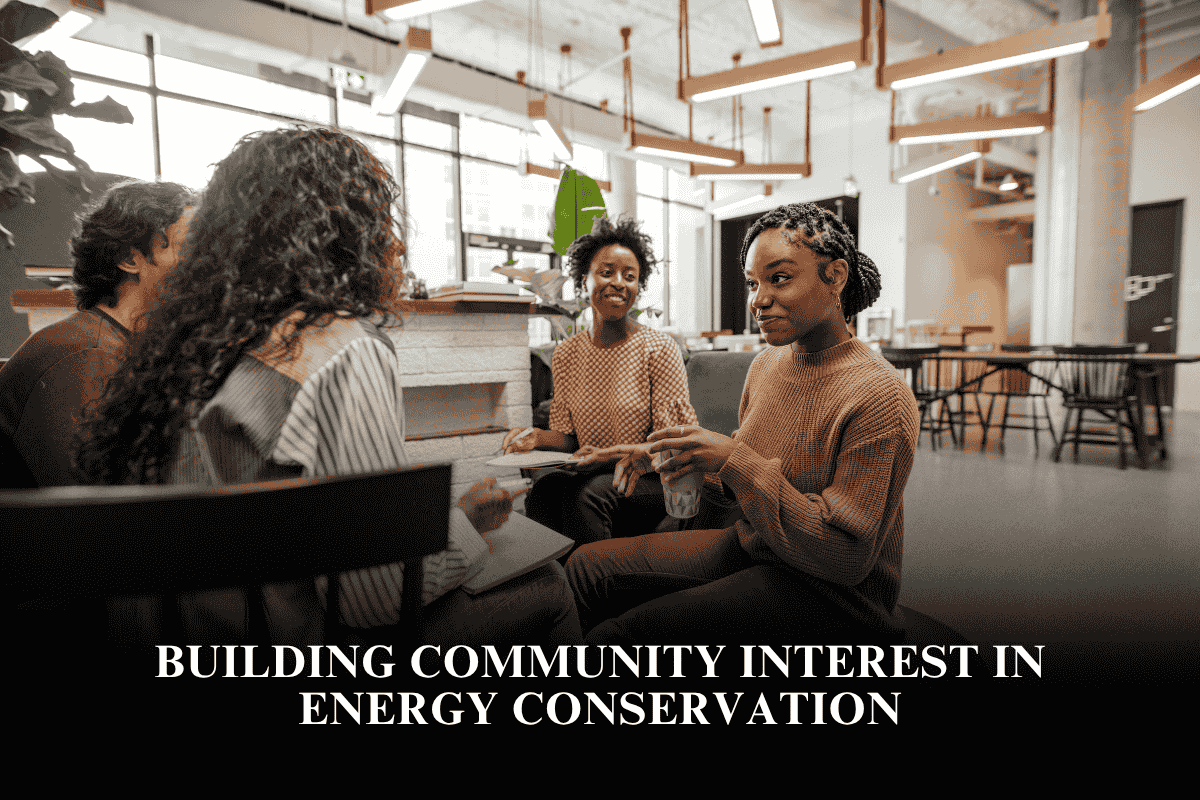
Building community interest in energy conservation is essential for promoting sustainable resource use, reducing environmental impact, and fostering collective responsibility toward climate change mitigation. Engaged communities are better equipped to adopt energy-efficient practices, support renewable technologies, and advocate for policies that promote sustainability.
Importance of Community Engagement in Energy Conservation
Community involvement ensures that energy conservation efforts are culturally relevant, locally adapted, and socially supported, significantly increasing the chances of enduring behavioral change. When communities understand the environmental, economic, and social benefits of conserving energy, they become active participants in sustainability initiatives.
Strategies to Build Interest
1. Awareness Campaigns
Educate communities about energy consumption impacts, the benefits of conservation, and practical measures through workshops, street plays, posters, and media. Messaging should be clear, relatable, and tailored to community values.
2. Demonstration Projects
Showcase energy-efficient technologies such as solar panels, LED lighting, and energy-saving appliances in public spaces or model homes. Practical demonstrations help demystify technologies and reveal tangible savings.
3. Incentives and Recognition
Introduce reward schemes, subsidies, or community competitions that acknowledge efforts and motivate participation. Public recognition fosters social norms favoring conservation.
4. Capacity Building
Train local volunteers, educators, and leaders as energy champions who advocate, educate, and support behavior change at grassroots levels.
5. Participatory Planning
Engage community members in identifying energy challenges and designing locally appropriate, feasible solutions ensuring ownership and sustainability.
6. School and Youth Programs
Integrate energy education into school curricula and extracurricular activities, encouraging children and youth to be ambassadors of conservation in households.
7. Collaboration with Stakeholders
Partner with government agencies, NGOs, businesses, and utility providers to leverage resources, expertise, and infrastructure for broader reach and impact.
Benefits to Communities
Energy conservation reduces utility costs, improves energy security, mitigates pollution, and enhances quality of life. It promotes a culture of sustainability, community resilience, and democratic engagement in environmental issues.
FAQs
Why is community interest important for energy conservation?
It ensures collective action, culturally relevant solutions, and sustainable behavior change.
What are effective awareness methods?
Workshops, media campaigns, demonstrations, and participatory discussions tailored locally.
How can communities see the benefits?
Through visible cost savings, improved comfort, and environmental improvements.
Do incentives motivate conservation?
Yes, recognition and rewards encourage sustained engagement.