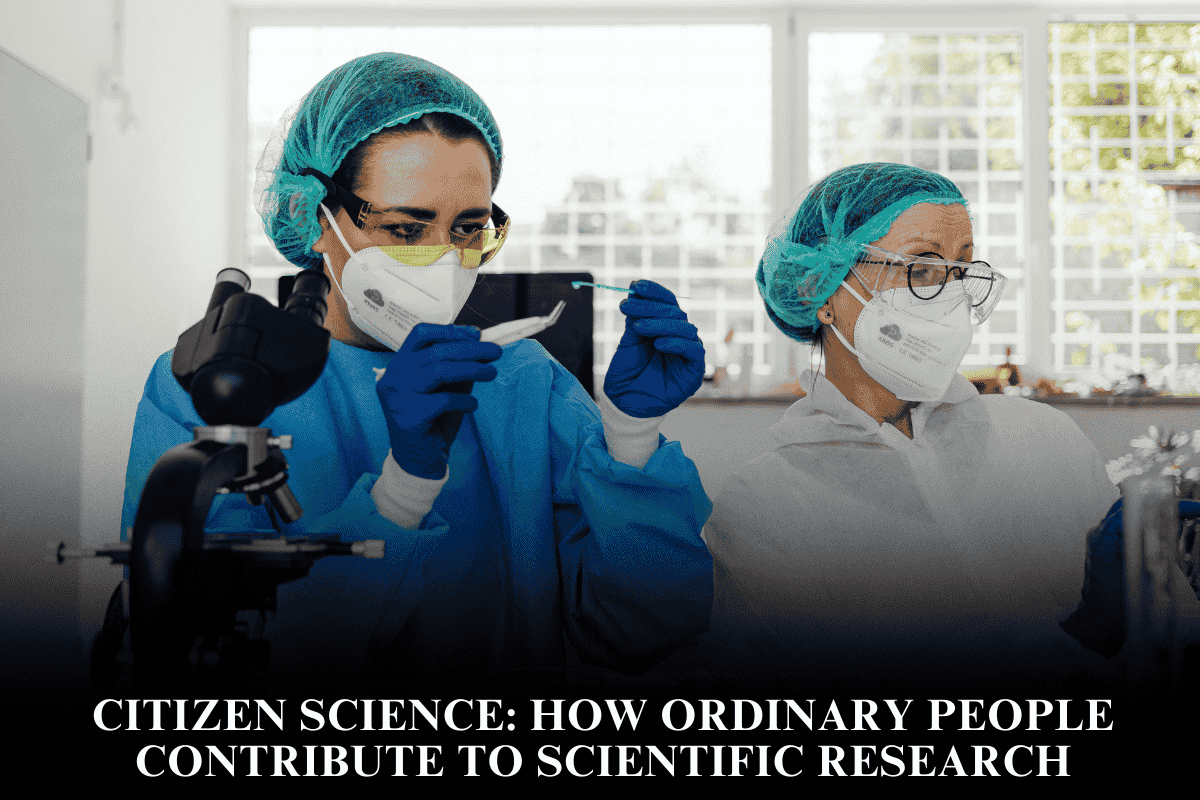
Citizen science harnesses everyday people to gather massive datasets, test hypotheses, and drive discoveries that professional scientists alone couldn’t achieve. From backyard bird counts to galaxy classifications, volunteers expand research scope, democratize knowledge, and foster public engagement with science.
Origins and Evolution
The term dates to the 1990s but traces to 19th-century efforts like Christmas Bird Counts since 1900, where amateurs tallied species. Today, apps and online platforms enable global participation, turning smartphones into tools for ecology, astronomy, and health studies.
Data Collection Powerhouses
Volunteers excel at scale: eBird logs millions of sightings yearly, tracking migrations and extinctions. Globe at Night maps light pollution via star visibility reports. In biology, iNaturalist identifies species from photos, aiding biodiversity maps.
Analysis and Discovery Roles
Projects like Zooniverse let citizens classify galaxies or transcribe old weather logs, uncovering patterns in vast archives. Foldit gamers solved protein structures faster than experts, proving crowdsourcing beats algorithms sometimes.
Environmental and Health Monitoring
Community air quality sensors via AirNow or personal noise pollution apps reveal urban hotspots. During COVID, wastewater sampling by locals helped predict outbreaks, showing real-time public health impact.
Benefits and Challenges
Participants gain skills, science literacy, and ownership; projects yield peer-reviewed papers. Challenges include data quality—training ensures accuracy—and equity, as access favors certain demographics.
| Project | Contribution Type | Impact |
|---|---|---|
| eBird | Observations | Migration tracking |
| Zooniverse | Classification | Astronomy papers |
| iNaturalist | ID/Photos | Biodiversity atlases |
Citizen science proves science belongs to all.
FAQ
What defines citizen science?
Public volunteering in research, from data collection to analysis.
Famous examples?
Christmas Bird Count, Galaxy Zoo.
Data reliability?
Protocols and verification ensure quality.
Who can join?
Anyone with internet or a notebook.
Real discoveries?
Yes, like AIDS drug targets via Foldit.