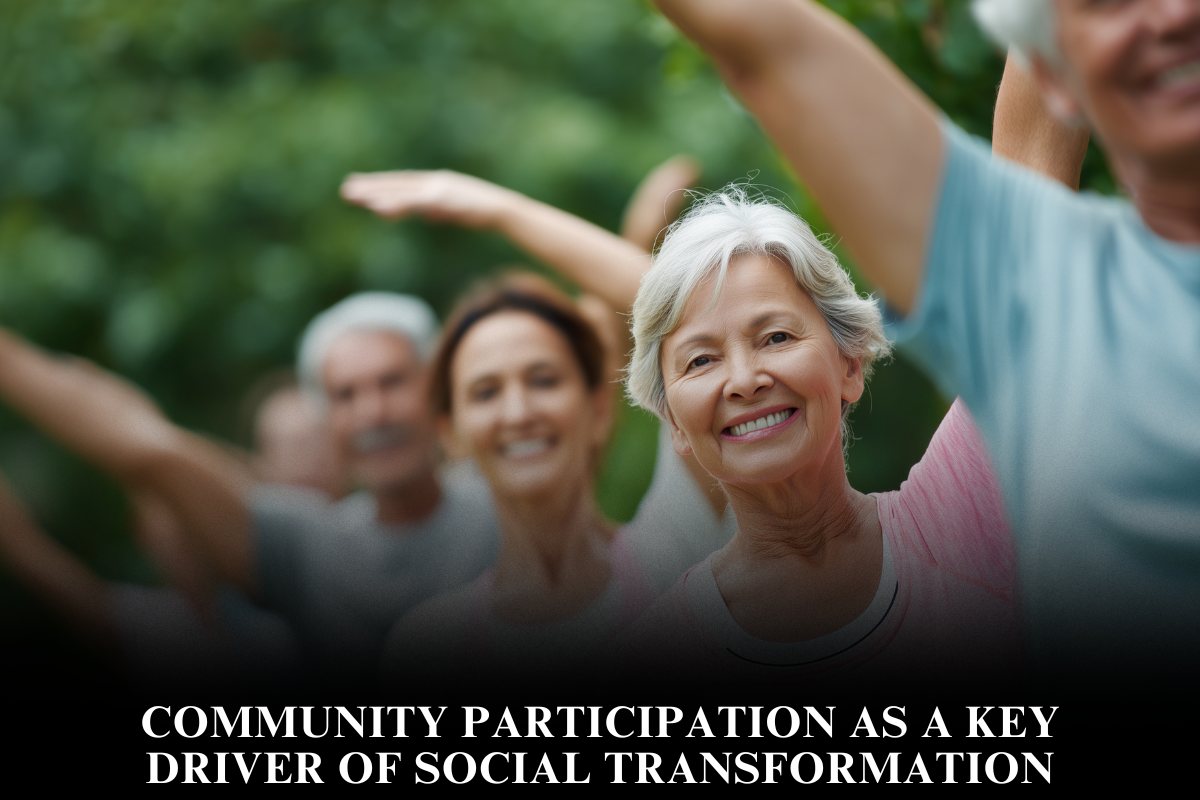
Community-based learning (CBL) is an educational approach that integrates meaningful engagement with local communities into classroom instruction. This teaching method connects academic learning with real-world social issues, empowering students to become active citizens driving positive social change.
Benefits of Community-Based Learning
- Authentic Learning Experiences:
Students apply classroom knowledge to real-world challenges, deepening understanding and relevance. This experiential learning enhances critical thinking, problem-solving, and practical skills. - Increased Engagement and Motivation:
Active participation in community projects promotes student interest and investment in learning, boosting academic success and personal growth. - Development of Civic Responsibility and Social Awareness:
Students gain awareness of social, economic, and environmental issues affecting communities. This fosters empathy, social consciousness, and a commitment to community improvement. - Strengthened School-Community Connections:
Collaboration between schools and local organizations promotes mutual benefit and community cohesion. These partnerships open pathways for internships, mentorships, and lifelong engagement. - Skill Building for Future Ready Learners:
CBL enhances communication, leadership, teamwork, and adaptability—key skills for career readiness and lifelong learning.
Examples of Community-Based Learning Projects
- Environmental restoration projects like invasive plant removal or water system installation
- Service learning in underserved populations, including tutoring or health education
- Cultural heritage documentation and preservation work
- Social entrepreneurship projects addressing local economic challenges.
FAQ: Community-Based Learning and Social Change
Q: How is community-based learning different from traditional education?
A: It links academic content with hands-on community engagement, creating meaningful and practical learning experiences.
Q: Can community-based learning benefit students beyond academics?
A: Yes, it develops social skills, empathy, civic responsibility, and career-relevant competencies.
Q: How can schools start community-based learning programs?
A: By partnering with local organizations, identifying community needs, integrating projects in curriculums, and encouraging student reflection.