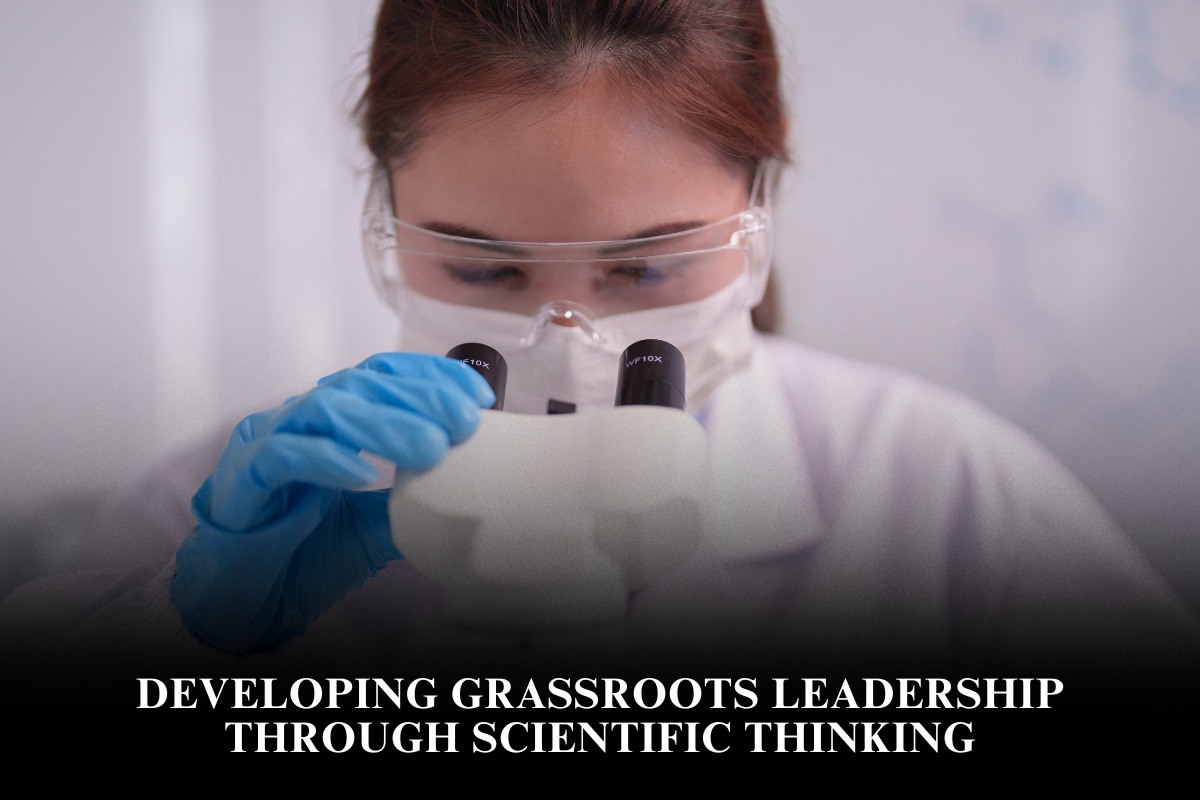
Developing grassroots leadership through scientific thinking means empowering local individuals to lead community change by nurturing their ability to analyze problems, think critically, and apply evidence-based solutions. This approach helps communities build resilience and foster sustainable progress from within.
Understanding Grassroots Leadership
Grassroots leadership is about individuals at the community level driving change with collective action. These leaders emerge from within the community, understand local challenges, and organize people to achieve common goals, whether for social, environmental, or economic improvements.
Grassroots leaders often spearhead community gardens, youth-led environmental actions, and local health initiatives by engaging residents directly in the process of change.
The Role of Scientific Thinking
Scientific thinking in grassroots leadership means applying methods like critical analysis, hypothesis testing, observation, and structured problem-solving to community issues. Leaders use these skills to investigate root causes, collect and interpret data, and evaluate the success of local interventions.
For example, before starting a project to improve community health, grassroots leaders might survey residents to identify key health challenges, review research for possible interventions, and monitor outcomes to refine their strategies.
Benefits of Scientific Thinking for Grassroots Leaders
When grassroots leaders are trained in scientific thinking, they:
- Make informed decisions based on data and evidence.
- Innovate solutions tailored to the community’s unique context.
- Foster a culture of learning, inquiry, and ongoing improvement.
- Build trust by demonstrating transparency and measurable results.
These skills also help leaders adapt and respond flexibly to new challenges, such as changing environmental conditions or emerging health threats, by enabling them to systematically assess and address issues.
Strategies for Developing Scientific Thinking
Communities can cultivate these skills in future leaders by:
- Organizing workshops that teach critical thinking and research methods.
- Encouraging participation in community-based participatory research.
- Creating opportunities for youth to lead science-driven local initiatives.
- Offering mentorship by professionals who model inquiry-based leadership.
Collaborations with schools or local universities can further strengthen these efforts by providing resources and technical knowledge.
Building Sustainable Community Change
Integrating scientific thinking with grassroots action fosters sustainable changes that reflect a community’s real needs and assets. Projects guided by evidence are more likely to succeed, and continuous evaluation helps refine approaches for lasting impact. This model encourages each community member to play an active role in shaping the future, promoting empowerment and shared responsibility.
FAQ
Q. What is grassroots leadership?
Grassroots leadership is a bottom-up approach where local individuals organize and drive change in their own communities, often through collective action and shared decision-making.
Q. How does scientific thinking help grassroots leaders?
It equips leaders to analyze issues critically, design effective interventions, test solutions, and adapt to challenges with evidence-based methods.
Q. How can communities promote scientific thinking in leaders?
They can provide hands-on research opportunities, mentorship programs, and training workshops focused on critical inquiry and evaluation skills.
Q. Can youth be grassroots leaders?
Yes, youth-led initiatives like environmental campaigns or peer education projects can be powerful examples of scientific thinking applied at the community level, inspiring others to get involved.
Q. Why is grassroots leadership important for sustainable development?
It ensures that change is both context-sensitive and community-owned, which leads to more enduring results and a stronger sense of empowerment among all members.