Scientific and technical skills ignite entrepreneurship by enabling innovators to solve real-world problems with data-driven solutions, from biotech startups to AI apps. Programs blending STEM education with business acumen empower creators to launch ventures, fostering economic growth in communities like rural Midwest towns. This fusion turns technical expertise into scalable enterprises, addressing needs in sustainability and health.[web: prior community health contexts]
Core Skills Driving Innovation
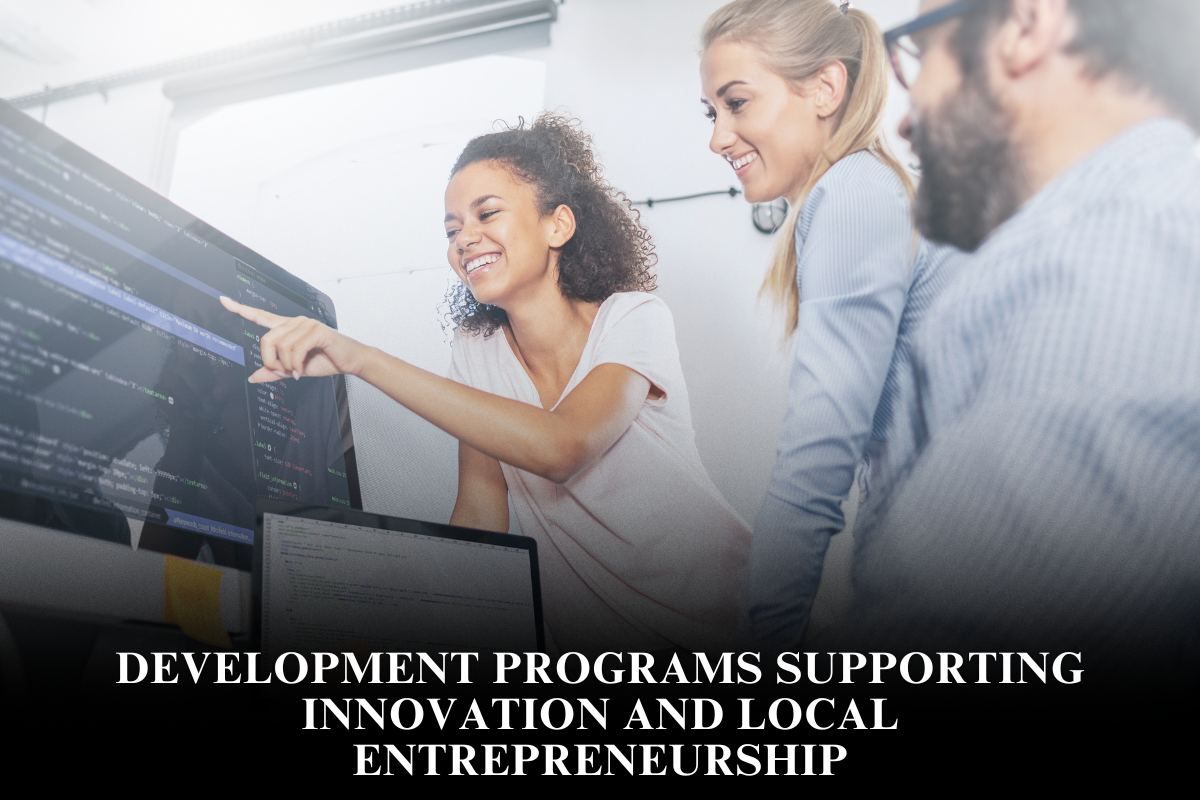
Technical proficiency in coding, data analysis, and prototyping forms the backbone. Python and machine learning skills build AI tools for precision agriculture, vital for prairie farms. Engineering knowledge crafts prototypes, while scientific method hones hypothesis testing for market validation.
Business integration—lean startup principles, customer discovery—channels tech into viable products. Hackathons accelerate this, yielding MVPs in days.
Educational Pathways and Programs
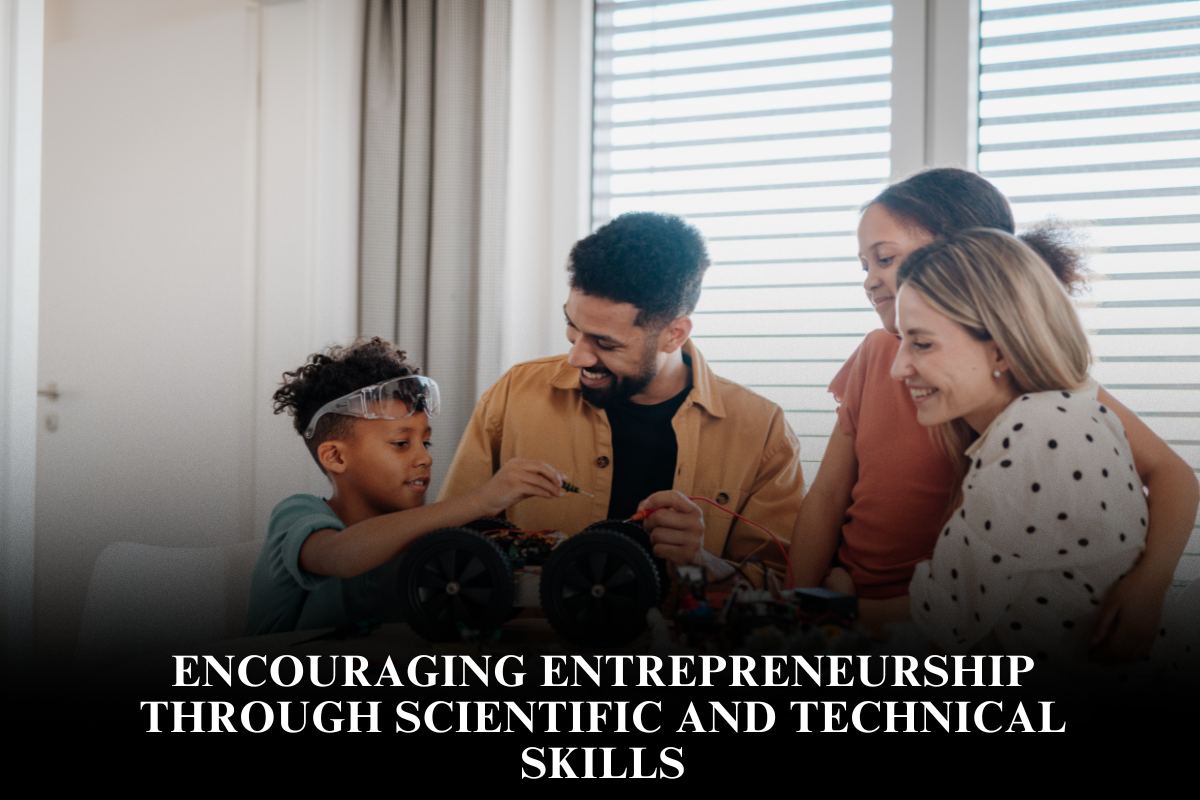
STEM curricula emphasize project-based learning: robotics clubs prototype drones, bio labs develop sustainable materials. Universities offer tech entrepreneurship tracks, like MIT’s maker spaces yielding spinouts.
Online platforms—Coursera, edX—democratize access; bootcamps train coding to launch apps in months. Community colleges provide affordable tech-business hybrids, aligning with small-town revitalizations.
| Pathway | Focus | Outcome |
|---|---|---|
| University Tracks | AI/Biotech | Spinout companies |
| Bootcamps | Coding/App Dev | Freelance to startups |
| Hackathons | Prototyping | Investor pitches |
| Online Courses | Data Science | Side hustles to scale |
Real-World Success Stories
Prairie entrepreneurs exemplify: a Northwest Ohio coder launched farm sensor IoT, cutting water use 30%. Biotech grads founded cryopreservation firms, tying to advanced research interests. Global icons like Elon Musk leverage physics for SpaceX.
Local incubators nurture: Ohio’s tech hubs fund prototypes, yielding jobs in small towns.
Overcoming Barriers for Aspiring Entrepreneurs
Funding gaps resolve via grants like NSF SBIR for tech innovations. Skill mismatches? Mentorship bridges via SCORE. Rural access improves with virtual accelerators. Failure tolerance—80% of startups pivot—builds resilience.
Policy support: tax credits for R&D startups spurs activity.
Community and Economic Impact
Entrepreneurship creates jobs, retains youth in small towns. Tech ventures boost sustainability, like renewable energy apps. Social enterprises apply science to health disparities, echoing peer support systems.
Scalable models export locally born ideas globally.
Strategies for Encouragement
Governments fund maker labs; schools integrate entrepreneurship electives. Corporations sponsor challenges; networks like Techstars connect mentors. Measure via startup rates, patents filed.
This approach transforms technical talent into engines of progress.
FAQ
Q. What technical skills spark entrepreneurship?
Coding, data analysis, prototyping—applied to market needs.
Q. How do hackathons help?
Rapid MVP creation, networking, investor exposure.
Q. Are rural areas viable for tech startups?
Yes, via remote work, ag-tech focus, local incubators.
Q. What funding for science-based ventures?
NSF SBIR, angel networks, crowdfunding.
Q. How to start without business experience?
Bootcamps, lean startup methods, mentorship programs.