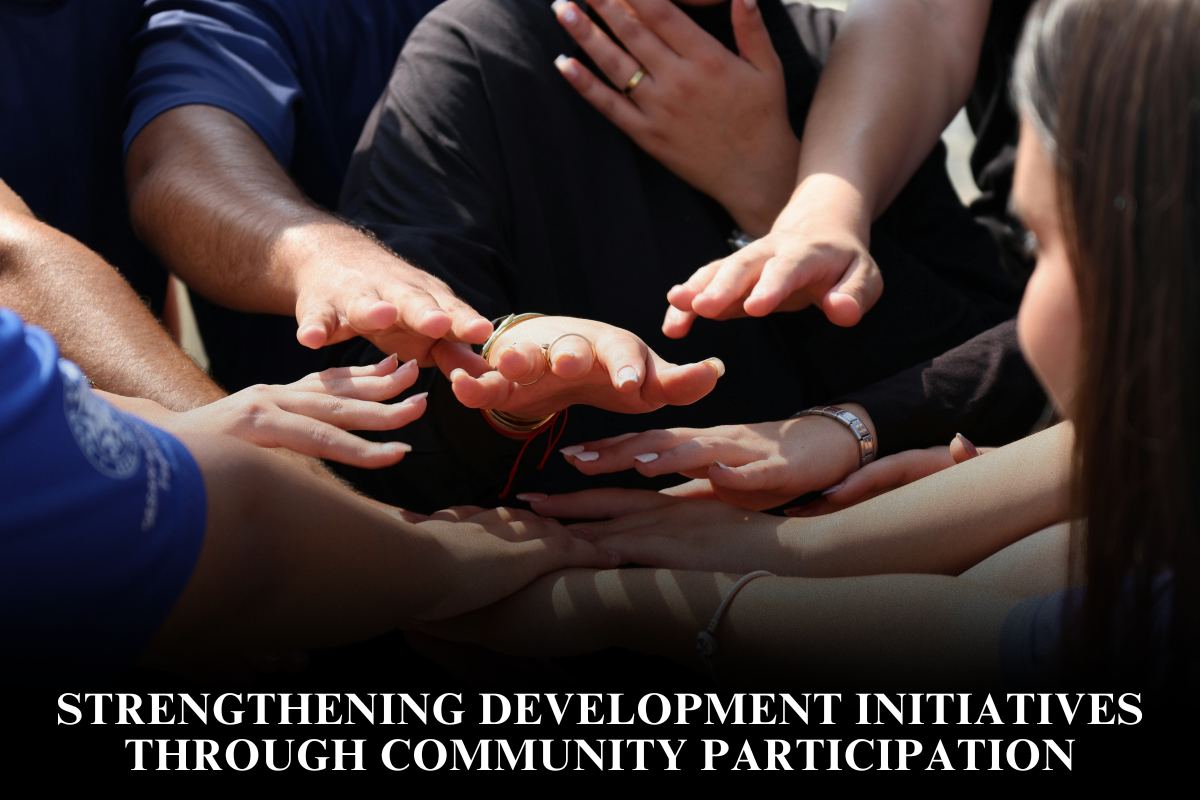
Green development practices integrate sustainable strategies like renewable energy adoption and circular economies with heightened public awareness campaigns to protect ecosystems and combat climate change. These efforts promote resource efficiency, biodiversity preservation, and community involvement for long-term planetary health.
Core Green Development Practices
Key practices include transitioning to renewables like solar and wind, implementing regenerative agriculture, and building green infrastructure such as energy-efficient buildings. Circular economy models emphasize reducing waste through recycling and upcycling, while nature-based solutions like reforestation restore habitats and sequester carbon. Local governments drive these by localizing SDGs with district-level plans and incentives for eco-friendly farming.
Role of Environmental Conservation Awareness
Awareness campaigns educate communities on issues like plastic pollution, waste management, and biodiversity loss through school programs, workshops, and media drives. Initiatives such as India’s National Environment Awareness Campaign (NEAC) and global efforts like plastic-free zones empower citizens to adopt habits like composting and reducing single-use plastics. These foster behavioral shifts, amplifying conservation impacts.
Benefits for Communities and Ecosystems
Adopting green practices lowers carbon footprints, enhances resilience to disasters, and boosts economic opportunities via green jobs. Heightened awareness leads to community-led actions, preserving forests, oceans, and wildlife while improving public health through cleaner air and water. Sustainable agriculture cuts food waste and emissions, supporting food security.
Strategies for Effective Implementation
Governments and organizations can launch targeted campaigns using social media, school integrations, and partnerships with NGOs for hands-on activities like clean-ups. Policies promoting regenerative farming and renewable incentives, combined with monitoring via SDG dashboards, ensure accountability. Businesses contribute through nature-based projects and transparent reporting.
Challenges and Future Outlook
Barriers like resource gaps persist, but innovations in 2025 trends—such as AI for monitoring and community funding—offer solutions. Prioritizing food systems, energy access, and biodiversity will accelerate progress toward 2030 SDGs.
FAQ
Q. What are green development practices?
They involve sustainable methods like renewables, circular economies, and regenerative agriculture to balance growth with environmental protection.
Q. How do awareness campaigns aid conservation?
They educate on waste reduction and habitat protection, inspiring actions like recycling and policy advocacy.
Q. What trends shape green development in 2025?
Renewable transitions, nature-based solutions, and circular integration dominate for climate and biodiversity goals.
Q. Why integrate awareness with green practices?
It drives community participation, ensuring sustained adoption and measurable ecosystem benefits.
Q. How can individuals contribute?
By reducing waste, supporting local eco-projects, and joining campaigns for plastic-free living.