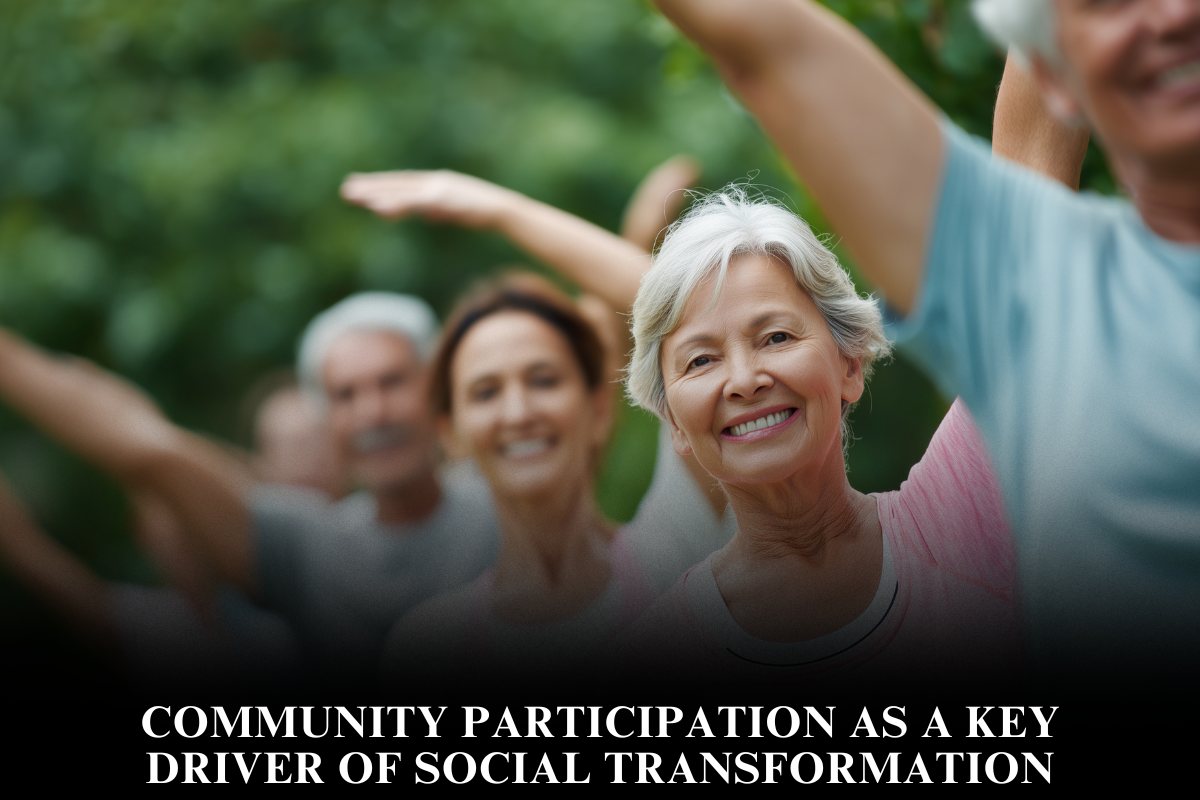
Community engagement bridges scientific knowledge gaps by involving diverse U.S. populations in research and outreach, fostering trust and literacy tailored to local needs. Programs like NIH’s Community Engagement Alliance (CEAL) and FDA’s clinical trial initiatives demonstrate how participatory approaches boost awareness, equity, and action in underserved communities nationwide.
Builds Trust Through Collaboration
Community-Based Participatory Research (CBPR) equitably partners residents, organizations, and scientists, co-designing studies that address real concerns like health disparities. In Chicago, the Center for the Study of Science and Technology (C2ST) collaborates with neighborhoods for events like “Brain Garden,” where families extract dyes from produce, making neuroscience accessible and inclusive.
This trust counters historical mistrust, as in biobanking where CE ensures diverse voices shape protocols, increasing participation from minorities.
Enhances Relevance and Cultural Fit
Engagement customizes science to cultural contexts—using faith leaders or ambassadors for clinical trials via FDA’s Diversity Initiative, raising minority enrollment. Yale’s Cultural Ambassadors Program under OMHHE MOUs tailors messaging, overcoming barriers in Black and Hispanic communities.
Florida’s aging registry employs CEnR for population health, adapting surveys to local languages and priorities, yielding higher response rates.
Boosts Participation and Equity
CBPR drives action: environmental justice groups gain literacy through bottom-up research, inspiring reforms responsive to EJ needs. Citizen science like Christmas Bird Count or iNaturalist engages thousands in data collection, democratizing discovery across rural and urban divides.
CDC highlights engagement as public health’s core, building equity by amplifying marginalized voices in decades-long efforts.
Improves Health and Science Literacy
Co-designed outreach yields lasting impacts: C2ST’s neighborhood events spark brain health interest, with parents joining kids’ activities for intergenerational learning. CEAL infuses community input into COVID research, disseminating trustworthy info via nonprofits and schools.
AJPH affirms sustained engagement advances equity, turning awareness into policy via informed advocacy.
Sustains Long-Term Impact
Partnerships endure: UC Davis outreach shares lab demos with youth, while postdoc programs target high schools for pipelines. NAM assesses structures like advisory boards for meaningful inclusion, ensuring diverse populations thrive scientifically.
Community science via Zooniverse or Project BudBurst empowers locals as co-researchers, fostering ownership and advocacy.
U.S. initiatives prove engagement transforms passive awareness into empowered participation, strengthening science’s societal fabric.
Frequently Asked Questions (FAQs)
Q. What is Community-Based Participatory Research (CBPR)?
CBPR equitably involves communities in all research phases, boosting relevance and trust per U.S. health studies.
Q. How does engagement increase clinical trial diversity?
FDA initiatives with cultural ambassadors raise minority participation via tailored outreach and MOUs.
Q. What are examples of successful U.S. programs?
NIH CEAL partners with faith groups; C2ST’s “Brain Garden” engages Chicago families in neuroscience.
Q. Why is trust crucial for scientific awareness?
It counters historical skepticism, ensuring higher participation in biobanks and health research.
Q. How does engagement promote equity?
Co-design adapts science to local needs, inspiring EJ reforms and sustained literacy.