Scientific awareness programs empower communities by fostering knowledge, environmental stewardship, and active participation in research, bridging gaps between experts and residents for tangible improvements in health, policy, and resilience. Initiatives like BioBlitzes, school workshops, and citizen science projects generate local data, educate on topics from biodiversity to pollution, and inspire youth toward STEM careers. These efforts yield dual benefits: scientists hone communication skills while communities gain tools for self-advocacy and sustainability.
Knowledge Generation and Data Collection
Community scientists collect place-based data on wildlife, water quality, or climate impacts, expanding research scope and informing tailored policies—such as pinniped monitoring aiding coastal management. Programs like City Nature Challenge engage thousands via apps like iNaturalist, documenting biodiversity over four days to support conservation. This democratizes science, integrating local ecological knowledge with formal methods for precise, actionable insights.
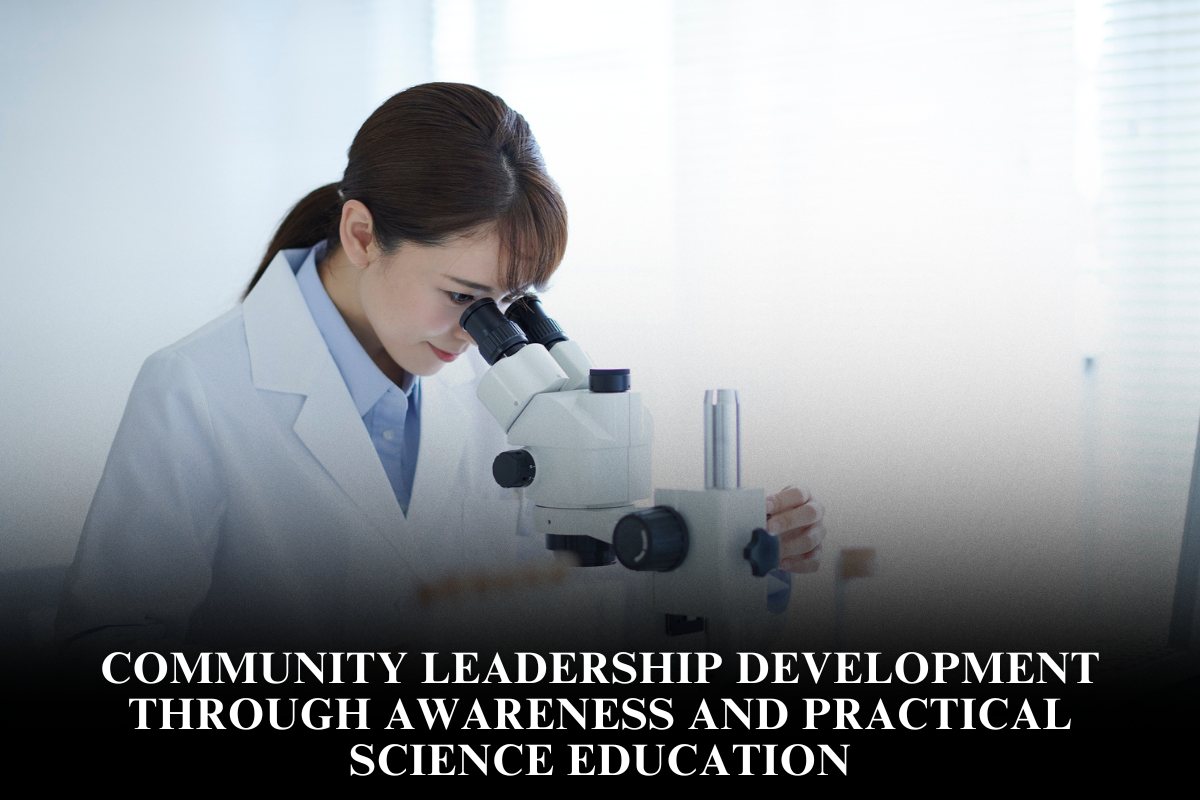
Rural children’s workshops spark curiosity through experiments, transforming schools into hubs of inquiry.
Public Education and Stewardship
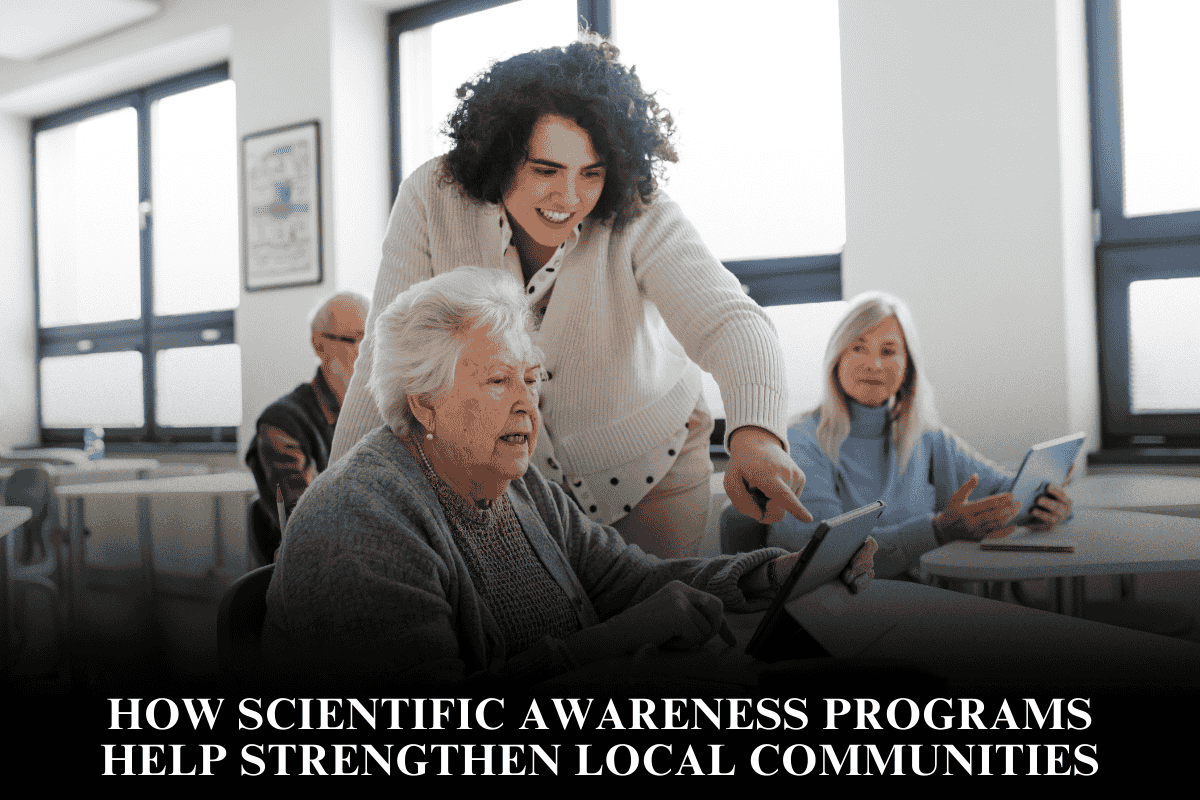
Outreach builds scientific literacy via trivia contests, mentoring, and docent-led interpretations, inspiring environmental citizenship and reducing misconceptions. Repeated events create lasting impressions, motivating stewardship—participants monitor regulations, advocate for parks, and educate peers on threats like habitat loss. Underrepresented groups gain access, fostering inclusivity and long-term community pride.
Parks host BioBlitzes, connecting residents to nature and boosting support for open spaces.
Policy Influence and Capacity Building
Programs enforce regulations through data-driven advocacy, changing community-agency interactions for better governance. Scientists develop outreach skills, while locals bridge knowledge gaps, enhancing resilience against climate challenges. Youth programs in rural areas promote self-reliance, countering urban-rural divides.
FAQ
What is community science?
Public involvement in data collection and research, blending local knowledge with science for conservation.
How do programs benefit scientists?
Improve communication, expand data reach, and gain place-based insights from diverse participants.
Why focus on youth and rural areas?
Builds STEM pipelines, inspires confidence, and transforms under-resourced schools via hands-on experiments.
What events like BioBlitz achieve?
Mobilize cities to document biodiversity, informing policy and fostering park stewardship.
Do they influence environmental policy?
Yes—data supports regulations, with locals as boundary-spanners for governance.
How to get involved locally?
Join apps like iNaturalist, school workshops, or park events for data collection and education.