Innovation is a powerful driver of community development, providing creative solutions to social, economic, and environmental challenges while fostering sustainable growth and improved quality of life.
Innovation as a Driver of Community Development
Key Roles of Innovation in Community Development
- Addressing Social Challenges Creatively: Innovation enables communities to reimagine persistent problems such as poverty, education gaps, and health disparities with empathetic, people-first solutions, often blending modern technology with traditional practices.
- Enhancing Economic Opportunities: By fostering entrepreneurship, skill development, and new business models, innovation stimulates local economies, creates jobs, and attracts investments, helping communities thrive.
- Promoting Sustainable Practices: Innovative approaches to resource management, renewable energy, and waste reduction support environmental sustainability while improving community resilience.
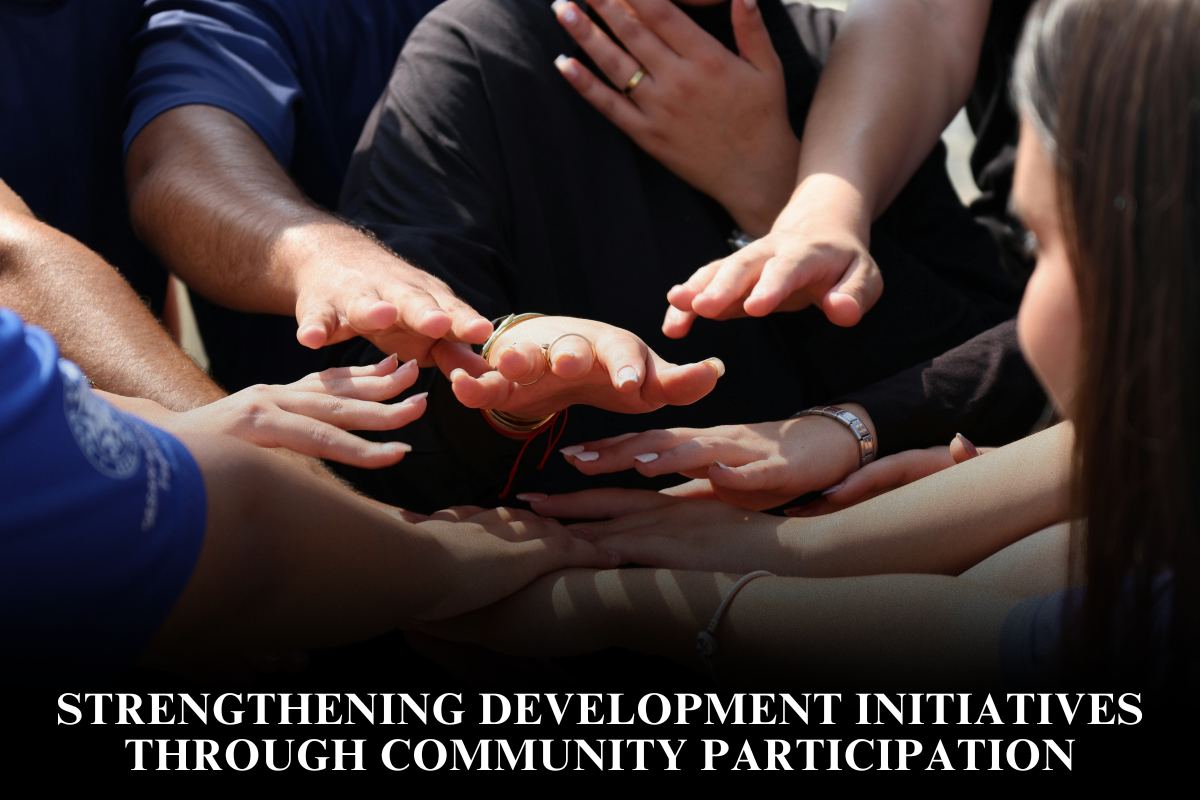
- Encouraging Civic Engagement and Collaboration: Community-driven innovation nurtures participation and collective problem-solving, building trust, ownership, and social cohesion necessary for lasting impact.
- Scaling Solutions for Broader Impact: Successful innovations are often shared within and beyond communities, multiplying benefits and inspiring further creative development.
Examples of Innovative Community Development
- Local startups creating AI-powered tools to aid farmers and improve agricultural productivity.
- Community-led renewable energy projects that reduce reliance on fossil fuels and empower residents with affordable energy.
- Social enterprises developing low-cost water purifiers to tackle access to clean drinking water.
- Digital education platforms bridging gaps in schooling in underserved rural areas.
- Collaborative initiatives combining government, private sector, and nonprofits to rebuild neighborhoods using modular housing and cooperative ownership models.
Principles for Successful Innovation in Communities
- Inclusivity: Empower all community members, especially marginalized groups, to participate actively in innovation processes.
- Sustainability: Ensure solutions are financially viable and environmentally responsible long term.
- Collaboration: Leverage partnerships among residents, businesses, academia, and governments for shared resources and expertise.
- Adaptability: Foster a culture that embraces experimentation, learning from failures, and continuous improvement.
Frequently Asked Questions (FAQ)
Q: How does innovation improve community livelihoods?
A: By creating economic opportunities, improving access to services, and fostering skills development that enable self-sufficiency.
Q: Can innovation help solve environmental issues in communities?
A: Yes, innovations such as renewable energy and waste management help protect resources and promote sustainability.
Q: What role does technology play in community innovation?
A: Technology amplifies impact by facilitating communication, data sharing, and access to education and markets.
Q: How important is community participation in innovation?
A: Essential; innovation driven “with” the community ensures relevance, acceptance, and sustainability.
Q: Can small-scale innovations create big changes?
A: Absolutely; grassroots innovations often scale to broader adoption and inspire systemic change.