Integrating science and technology into community development equips societies to meet current needs while adapting to future challenges sustainably. This integration fosters innovation, enhances resource management, improves service delivery, and cultivates resilience, ensuring communities are empowered, inclusive, and prepared for rapidly evolving socio-economic and environmental landscapes.
Importance of Science and Technology Integration
Science provides the foundational knowledge of natural and social phenomena, while technology offers practical tools and applications. Their synergy accelerates problem-solving, economic diversification, and social progress, making development adaptive, efficient, and forward-looking.
Key Areas of Integration in Community Development
1. Smart Infrastructure and Urban Planning
Using data analytics, IoT sensors, and GIS for efficient management of water, energy, waste, and transportation systems reduces environmental footprints and enhances livability.
2. Digital Inclusion and E-Governance
Ensuring universal access to digital technologies enables equitable participation in governance, education, healthcare, and financial services.
3. Sustainable Agriculture Technologies
Adopting precision agriculture, remote sensing, and biotechnology helps increase food security, conserve resources, and mitigate climate impacts.
4. Renewable Energy and Climate Adaptation
Integrating renewable energy systems and climate-resilient technologies supports energy access and preparedness against environmental shocks.
5. Health Technology and Telemedicine
Deploying digital health tools and telemedicine improves healthcare reach, monitoring, and outcomes, especially in remote communities.
6. Education and Capacity Building
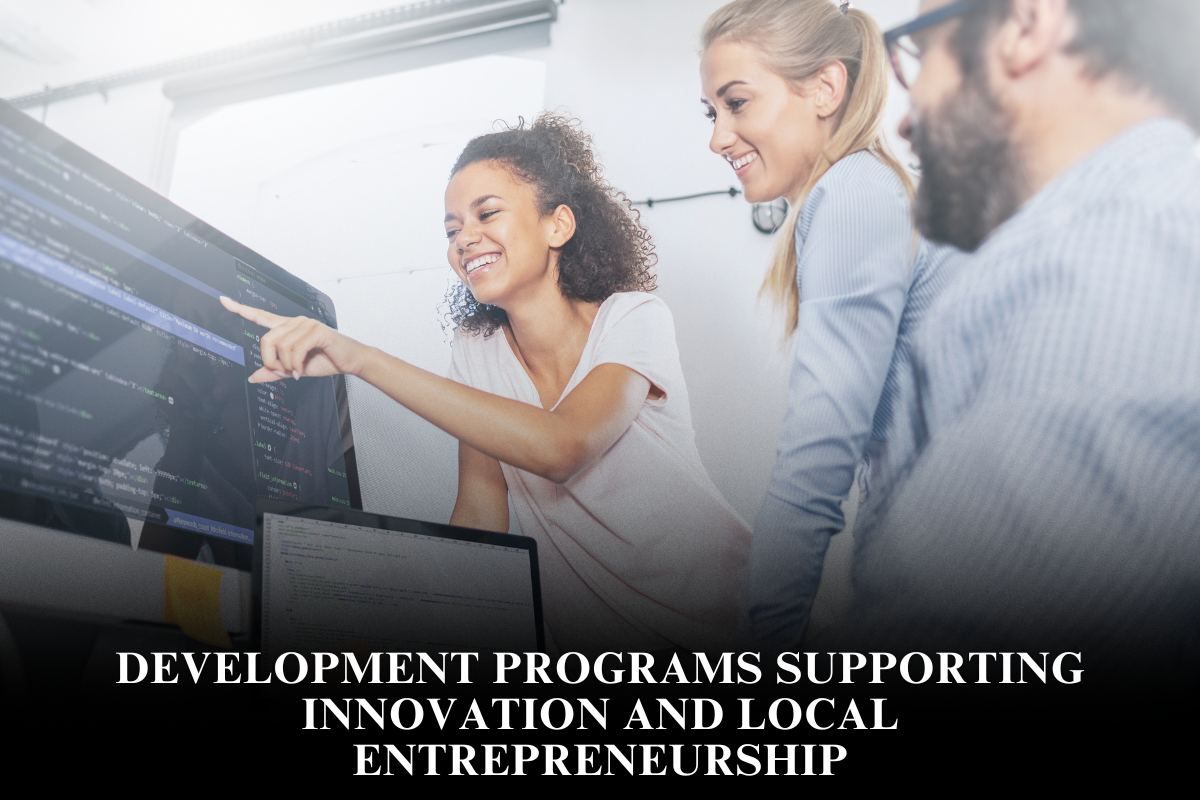
E-learning platforms, STEM programs, and maker spaces nurture innovation, critical thinking, and workforce skills needed for future economies.
7. Participatory Science and Innovation Hubs
Engaging communities in local research, citizen science, and innovation incubators stimulates relevant solutions and empowered ownership.
Strategies for Effective Integration
- Foster multi-sector partnerships linking academia, government, private sector, and civil society.
- Prioritize infrastructure development for connectivity and technology access.
- Promote inclusive policies addressing digital literacy, affordability, and equity.
- Invest in training and capacity building to maximize technology uptake.
- Encourage local innovation adapting technologies to cultural and environmental contexts.
Benefits of Integration
- Accelerated socio-economic development with reduced inequalities.
- Improved resource efficiency and environmental stewardship.
- Enhanced disaster preparedness and climate resilience.
- Inclusive access to health, education, and social services.
- Empowered communities driving innovation and sustainable growth.
FAQs
Why integrate science and technology in community development?
To enable adaptive, efficient, and inclusive solutions for sustainable socio-economic progress.
What infrastructures benefit from integration?
Water, energy, waste, transport, healthcare, education, and governance systems.
How does digital inclusion impact communities?
It ensures equitable access to information, services, and decision-making.
What role does agriculture technology play?
Raises productivity, conserves resources, and supports climate adaptation.