Promoting clean and green energy awareness in local communities works best when abstract climate messages are translated into everyday benefits: lower bills, better health, and local jobs. When people see solar lights in their own village or energy‑efficient appliances in their homes, “clean energy” becomes tangible and achievable, not just a global slogan.
Start with Local Reality and Everyday Benefits
Effective awareness efforts begin by listening: understanding how households currently cook, light, and cool their spaces, and what they struggle with (high bills, blackouts, smoky kitchens). Framing clean energy as a way to save money, reduce outages, and improve indoor air quality resonates more than distant carbon targets.
Community meetings, street plays, and visual demonstrations in local languages help explain concepts like energy efficiency, renewables, and emissions in relatable terms rather than technical jargon.
Highlighting quick wins—like switching to LEDs, using fans instead of inefficient coolers, or adopting improved cookstoves—builds trust and shows that small changes add up. When people experience concrete benefits, they become more open to larger shifts such as rooftop solar, solar irrigation, or community biogas.
Education, Workshops, and Demonstration Projects
Schools, youth clubs, and women’s self‑help groups can be powerful hubs for clean energy education. Student‑led eco‑clubs, drawing contests, and project days around “energy conservation week” engage children, who often influence household choices. Hands‑on workshops in villages or neighborhoods—demonstrating solar lanterns, efficient pumps, and simple home energy audits—give residents practical tools and skills, not just lectures.
In some Indian universities and NGOs, students have run village “chaupals” (traditional gatherings) where they show how solar lighting, efficient cooking, and better wiring reduce costs and health risks.
Demonstration projects speak louder than leaflets: installing solar streetlights, powering a community center with a small solar plant, or setting up a biogas unit for a cluster of households lets everyone see reliability and performance over time. In several rural initiatives, solar‑powered drip irrigation systems not only improved energy access but also tripled farmers’ incomes by enabling year‑round vegetable cultivation, which in turn strengthened people’s trust in clean energy solutions.
Building Local Capacity and Green Entrepreneurs
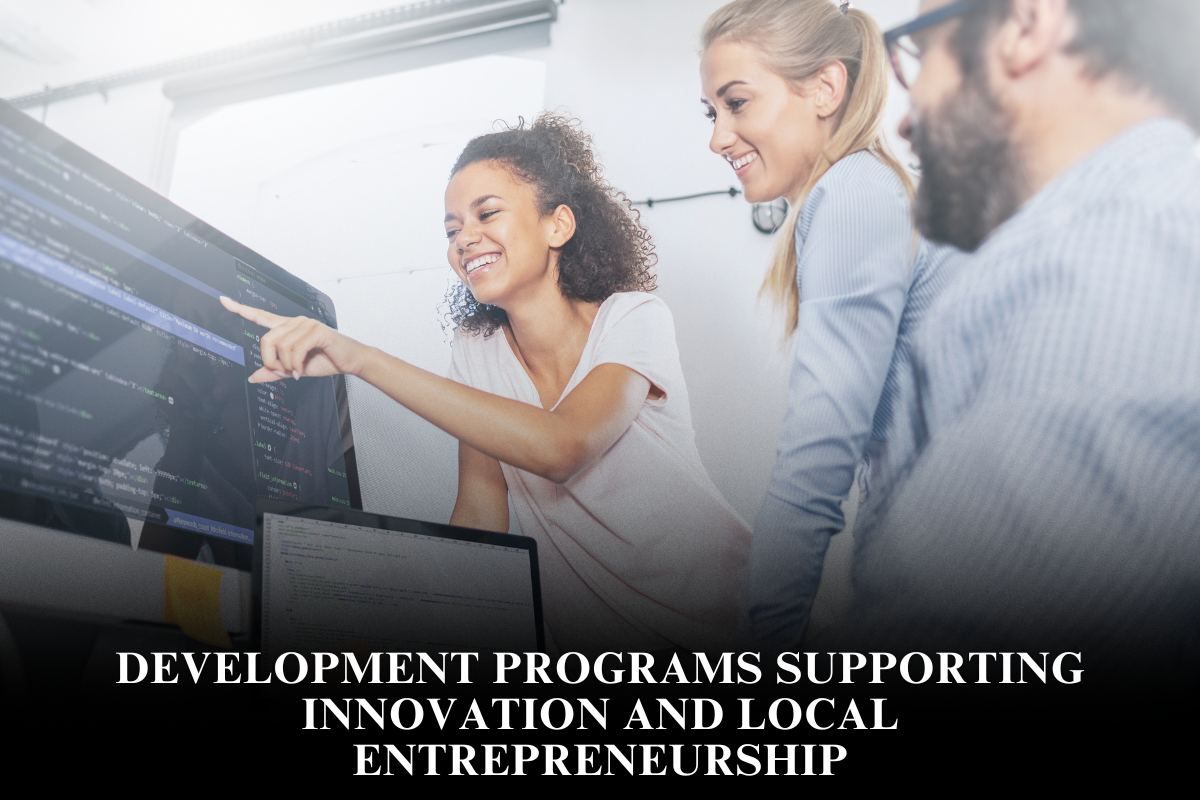
Awareness is stronger when it leads to local livelihoods. Training programs can create “clean energy entrepreneurs” who sell, install, and maintain solar systems, efficient appliances, or biogas units. Linking these trainees to microfinance or cooperative credit schemes makes technologies affordable for low‑income households and spreads awareness through word‑of‑mouth.
Workshops for local leaders—panchayat members, ward councillors, and religious or cultural leaders—help them champion clean energy policies and programs. When trusted figures advocate for efficient streetlights, solar rooftops on public buildings, or green procurement, community acceptance rises. Partnerships between universities, civil society organizations, and local governments can also bring in technical expertise and funding, while ensuring that projects respond to local needs.
Communication Strategies and Inclusive Campaigns
A mix of communication channels—social media, community radio, wall paintings, local newspapers, and in‑person events—maximizes reach. Storytelling is key: sharing real stories of families whose bills fell, students who can now study at night, or farmers who irrigate without diesel creates emotional connection. Campaigns like UJALA in India showed that large‑scale LED adoption can be driven by simple, consistent messages backed by attractive pricing and easy access.
Inclusivity matters: tailoring messaging for women, youth, elders, and marginalized groups ensures that everyone sees themselves in the clean‑energy future. Using local languages, respecting cultural practices, and incorporating traditional ecological knowledge all make campaigns more respectful and effective.
FAQ
Why is community awareness so important for clean and green energy?
Because many clean‑energy solutions require people to change habits, invest in new technologies, or support local policies—and that only happens when they understand the benefits, trust the technology, and feel included in decisions.
What are simple starting points for local campaigns?
Begin with low‑cost measures like promoting LED bulbs, efficient fans, and turning off idle appliances; organize a local “energy day” with demonstrations, audits of public buildings, and school activities.
How can low‑income communities adopt clean energy if upfront costs are high?
Microfinance, pay‑as‑you‑go models, subsidies, and cooperatives can spread costs over time. Training local technicians and forming user groups also reduces maintenance costs and builds shared ownership.
What role can youth play?
Youth can lead surveys, social media campaigns, school projects, and village workshops; they often become early adopters of new technology and can act as “energy ambassadors” for their families and peers.
How do we know if awareness initiatives are working?
Track indicators like adoption rates of efficient devices or solar systems, energy‑bill changes in public buildings, participation in workshops, and surveys on knowledge and attitudes before and after campaigns.