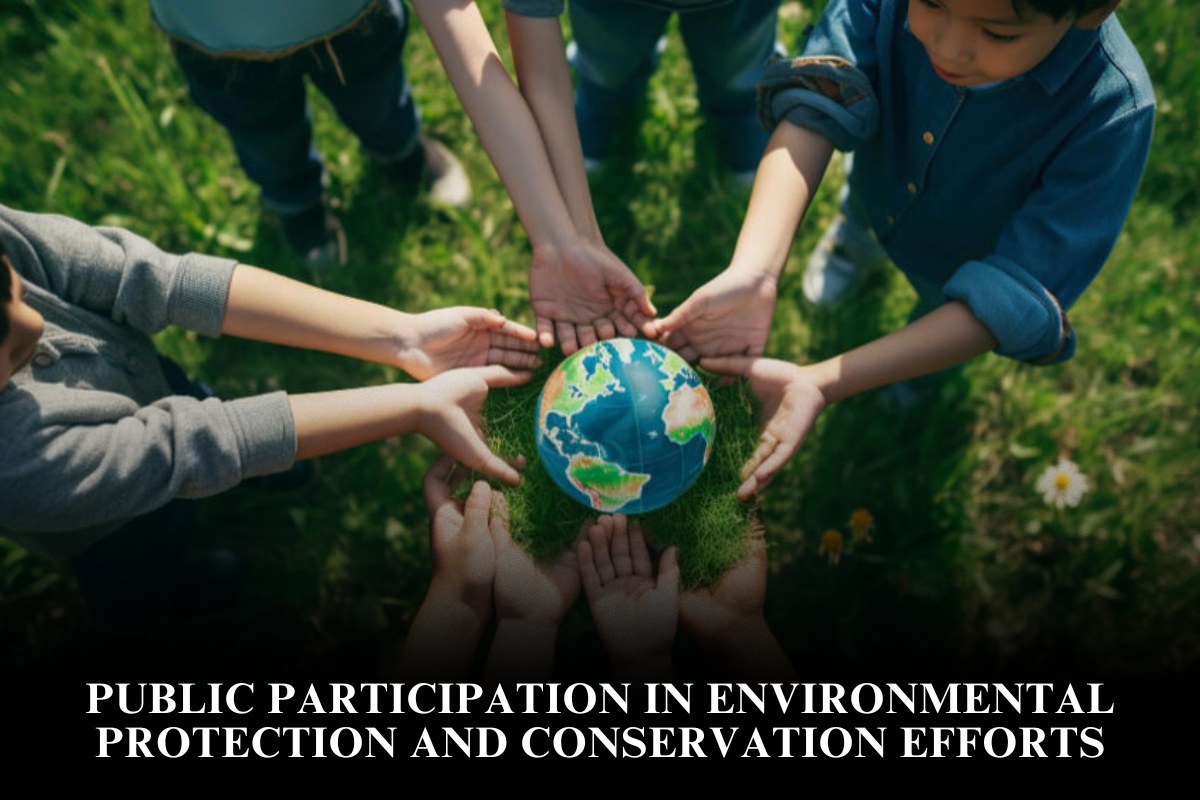
Public participation plays a vital role in environmental protection and conservation. It involves communities and individuals in decision-making, stewardship, and actions that safeguard natural resources and ecosystems. Engaging the public fosters better environmental outcomes by incorporating local knowledge, increasing transparency, and inspiring collective responsibility.
The Role of Public Participation
Public participation transforms environmental decision-making from a top-down approach to a collaborative process involving stakeholders at all levels. Governments often seek public input through consultations, hearings, and participatory mechanisms which help identify concerns, preferences, and alternative solutions.
This engagement enhances the quality and legitimacy of decisions while promoting accountability in environmental governance. It also helps avoid conflicts and generates public trust in environmental policies and projects.
Community Involvement in Conservation
Local communities possess unique knowledge about their environment, biodiversity, and the ecosystem dynamics. Their involvement is crucial for effective conservation, as they contribute insights and sustainable land management practices often honed over generations.
Community-led initiatives, such as participatory forest management and citizen science programs, empower residents to take stewardship roles. This not only improves conservation success rates but also builds long-term sustainability by fostering ownership and cultural respect.
Benefits of Public Participation
Public participation in environmental protection offers multiple benefits:
- Sustainable Development: Involving stakeholders ensures development respects ecological limits and social needs.
- Improved Decision Quality: Diverse perspectives enrich analysis and innovative solutions.
- Cost-Effectiveness: Early community input can prevent costly late-stage project changes.
- Greater Public Acceptance: When people feel heard, they support and cooperate with environmental policies.
- Enhanced Environmental Stewardship: Participation encourages responsibility and ongoing care of natural resources.
Strategies for Effective Participation
Effective public participation hinges on transparency, inclusiveness, and empowering communities. Providing education and awareness about environmental issues helps build informed citizens. Participatory planning and decision-making processes ensure that public input genuinely shapes outcomes.
Sharing conservation benefits with local populations through jobs or resources strengthens motivation. Additionally, enabling communities to manage their natural resources fosters empowerment and sustainable environmental practices.
FAQs
Why is public participation important in environmental protection?
Public participation improves the quality, legitimacy, and acceptance of environmental decisions. It ensures policies reflect community concerns and fosters cooperative stewardship.
How can communities contribute to conservation efforts?
Communities provide local ecological knowledge, assist in monitoring biodiversity, participate in habitat restoration, and promote sustainable resource use.
What are common ways to engage the public in environmental decision-making?
Common methods include public hearings, consultations, participatory planning, citizen science, and community-led conservation programs.
How does public participation benefit sustainable development?
It balances ecological protection with social and economic needs, ensuring that development is environmentally sound and socially equitable.
What challenges might arise in public participation, and how can they be overcome?
Challenges include exclusion of marginalized groups and tokenistic engagement. Overcoming these requires inclusive practices, effective communication, and genuine empowerment of stakeholders.
This comprehensive view highlights how integral public participation and community involvement are in achieving lasting environmental protection and conservation success.