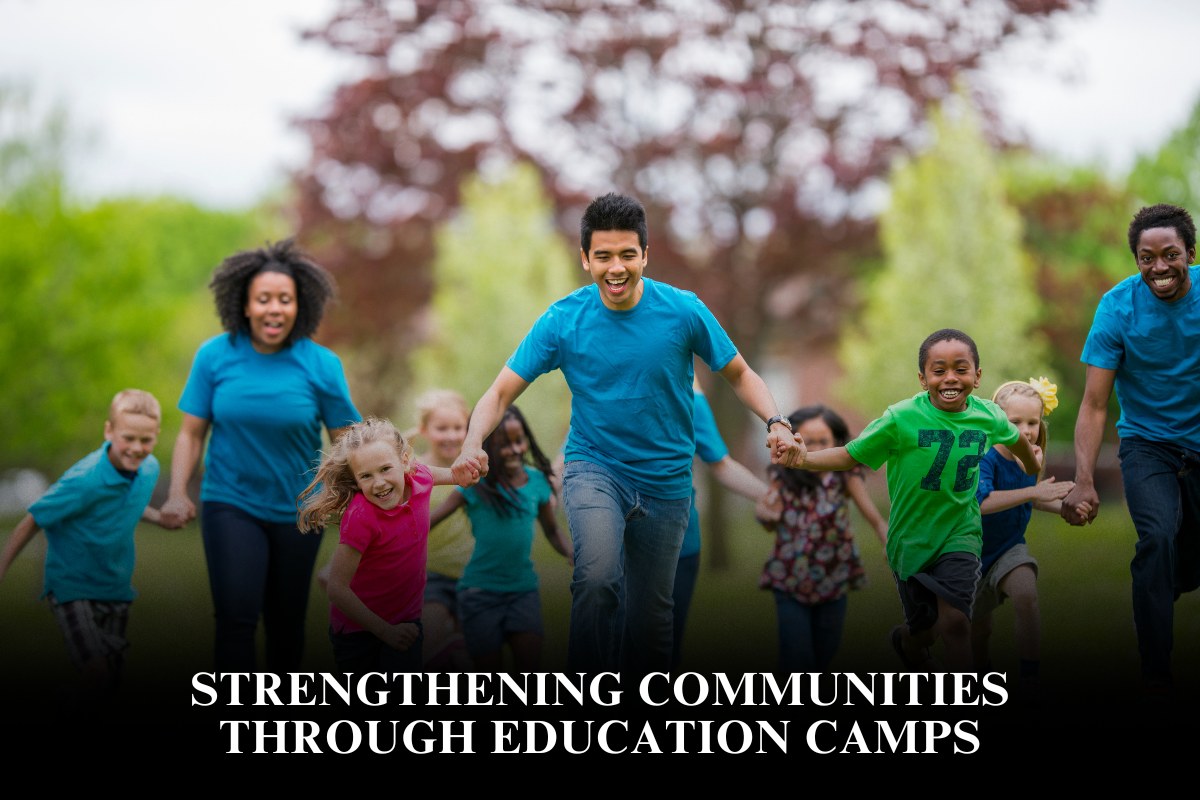
Education camps play a vital role in strengthening communities by providing safe, supportive spaces where individuals, especially youth, can learn, grow, and connect. These camps offer more than just academic or activity-based programs—they foster social connections, build essential life skills, and create a sense of belonging that empowers communities to thrive collectively.
Building Lifelong Skills and Confidence
Education camps expose participants to diverse activities that develop important social, emotional, and cognitive skills. Campers learn teamwork, communication, problem-solving, independence, and leadership through hands-on projects, group challenges, and collaborative learning.
Experiencing success in camp activities boosts self-esteem and motivates campers to believe in their abilities, which positively impacts their academic performance and future opportunities.
Camps reduce screen time and promote creativity and physical activity, contributing to healthier lifestyles. Through these experiences, campers build resilience and a stronger sense of self, key attributes for overcoming obstacles in life.
Creating Social Connections and Community Belonging
By bringing together individuals from varied backgrounds, education camps foster social integration and empathy. Campers meet peers with different cultures, interests, and perspectives in a pressure-free environment, helping them develop social skills like respect, cooperation, and conflict resolution.
These shared experiences often translate into lasting friendships and supportive networks. Importantly, camps help children and youth feel connected to their community, countering loneliness, and encouraging them to be active contributors to society.
Participating in group activities like sports, arts, or community service at camp nurtures a sense of responsibility and collective identity that strengthens community bonds.
Enhancing Emotional and Mental Well-being
The supportive atmosphere of education camps nurtures emotional resilience. Campers learn to express emotions, manage stress, and build coping strategies by facing challenges in a safe setting.
Studies have shown that camp participation reduces anxiety and depression levels among youth, through social engagement and the development of a positive mindset. Camps focusing on mental wellness highlight how these environments provide essential tools for maintaining long-term emotional health.
The empowerment and acceptance campers experience contribute to enhanced overall well-being and readiness to face life’s complexities.
FAQ About Education Camps
Q: Who can benefit from attending education camps?
A: Education camps benefit children and youth of all backgrounds, including those from underserved communities, by providing equal opportunities for learning, socializing, and personal growth.
Q: What types of skills do education camps help develop?
A: Camps build communication, teamwork, leadership, problem-solving, resilience, independence, and emotional intelligence skills.
Q: How do education camps strengthen community ties?
A: By fostering social connections, respect among diverse groups, and collaborative experiences that build shared identity and responsibility within the community.
Q: Are education camps only for summer?
A: No, education camps can be year-round and tailored for various age groups, topics, and community needs.
Q: How can parents support their children’s camp experience?
A: Encouraging participation, reinforcing learned values, and staying engaged with camp activities helps maximize benefits and long-term growth.
Education camps provide transformative experiences that help individuals flourish while weaving stronger, more resilient communities through education, connection, and shared purpose.