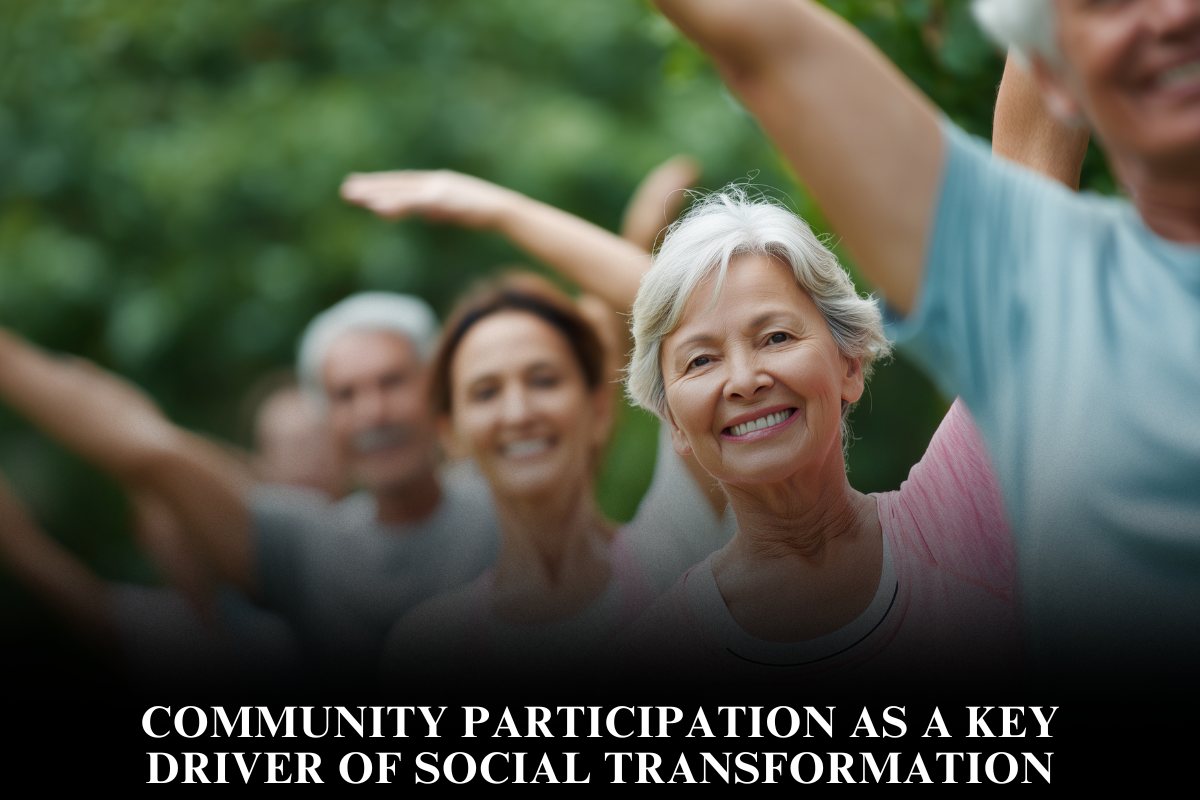
Educational and awareness camps play a powerful role in strengthening communities across the United States by sharing knowledge, building skills, and fostering social cohesion. When designed well, these camps help residents make safer, healthier, and more informed decisions in their daily lives.
What Educational and Awareness Camps Are
Educational and awareness camps are short-term, structured programs that focus on a specific theme—such as health, safety, environment, or civic engagement—often delivered through workshops, activities, and community projects.
In the U.S., they are commonly organized by schools, universities, nonprofits, local governments, and faith-based organizations to reach children, youth, families, and vulnerable groups.
These camps can be run in neighborhoods, parks, community centers, or schools and may be day-based or residential, depending on the needs of participants and available resources.
Empowering Communities with Knowledge
One of the key strengths of camps is their ability to turn complex issues into practical, understandable lessons that people can apply immediately. For example, transportation safety programs for youth teach topics like road crossing, distracted driving, and safe cycling in age-appropriate ways.
When community members understand risks—such as traffic dangers, health threats, or emergency situations—they are better prepared to protect themselves and others, which builds a culture of shared responsibility.
Focusing on Youth and Vulnerable Groups
Many U.S. initiatives deliberately target youth, low‑income communities, Native American communities, and other vulnerable populations that face higher risks and less access to formal training. Youth transportation safety programs, for instance, use peer‑led outreach and data-driven campaigns to reduce crashes among teenagers, a group disproportionately represented in serious road incidents.
Similarly, community-based safety and mobility programs in states like California emphasize pedestrian and bicyclist safety in neighborhoods where walking and biking are common and infrastructure is limited.
Building Local Leadership and Civic Engagement
Camps often serve as leadership incubators, helping participants develop communication, problem-solving, and organizing skills that benefit the whole community. Programs that train residents in safety assessment or community planning equip them to participate in local decisions about streets, parks, or transportation.
Graduates of such programs frequently go on to lead neighborhood projects, join advisory committees, or volunteer in local campaigns, thereby strengthening democratic engagement and long-term community resilience.
Collaboration Between Institutions and Communities
Effective camps usually emerge from collaboration among universities, transportation institutes, public agencies, and local organizations. For example, U.S. transportation research and education centers partner with city and tribal governments to offer training that combines technical expertise with local knowledge.
These partnerships ensure that content is evidence-based while still culturally sensitive, and they help communities access funding, tools, and professional support that would otherwise be out of reach.
Long-Term Impact on Safety and Quality of Life
Over time, educational and awareness camps can lead to measurable improvements in safety and quality of life, such as fewer crashes, safer walking routes, and more confident youth leaders. Ongoing programs track behaviors and outcomes—like teen driving habits or pedestrian injury rates—to refine curricula and prove impact to funders.
By combining data, education, and community participation, these initiatives help U.S. communities create environments where residents feel safer, more informed, and more connected to one another.
FAQ
1. What topics do community education camps usually cover in the USA?
Common themes include road and transportation safety, health and wellness, environmental awareness, emergency preparedness, and civic engagement, often tailored to local risk patterns and demographics.
2. Who typically organizes these camps?
They are often organized by universities, transportation and safety institutes, nonprofits, public health agencies, and local governments, sometimes in partnership with schools and community groups.
3. How do youth-focused camps make a difference?
Youth programs use peer-led outreach, interactive activities, and data-based messaging to change risky behaviors like speeding or distracted driving, resulting in safer habits and fewer serious crashes over time.
4. How can a community start its own educational or awareness camp?
Communities usually begin by identifying a priority issue, then seek partnerships with nearby universities, safety organizations, or state agencies that can provide training materials, technical expertise, and sometimes funding.
5. What evidence shows these camps strengthen communities?
Programs track changes in behavior, crash statistics, participation rates, and community feedback, with several U.S. initiatives documenting reduced injuries and stronger local engagement after sustained education efforts.