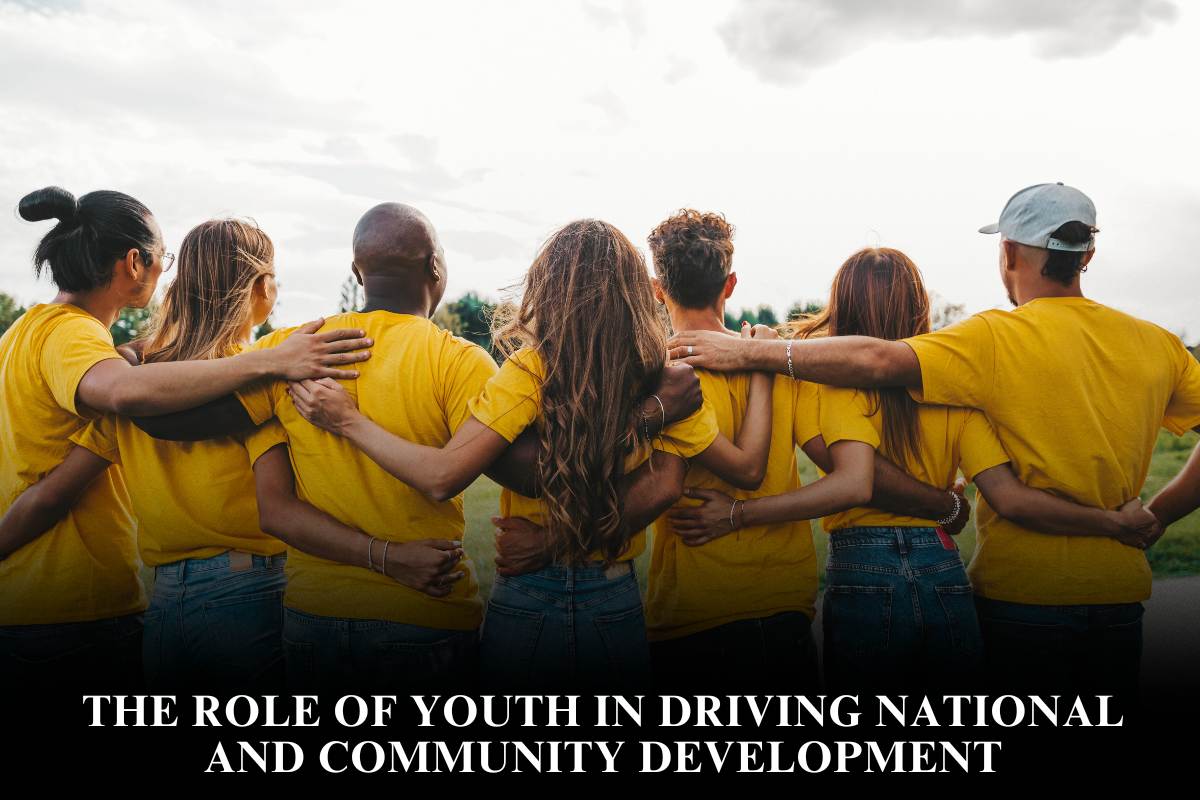
Youth drive national and community development in the USA by infusing innovation, energy, and fresh perspectives into civic engagement, entrepreneurship, and social change, contributing to economic growth and social cohesion as evidenced by youth-led initiatives reducing crime rates and boosting employment per research from CIRCLE and youth development studies. With 75 million under 18, their participation in volunteering, advocacy, and startups generates long-term benefits—volunteering teens show 97% higher flourishing odds and better health.
Programs like 4-H and youth commissions amplify this, fostering leadership amid challenges like socioeconomic barriers.
Innovation Through Entrepreneurship
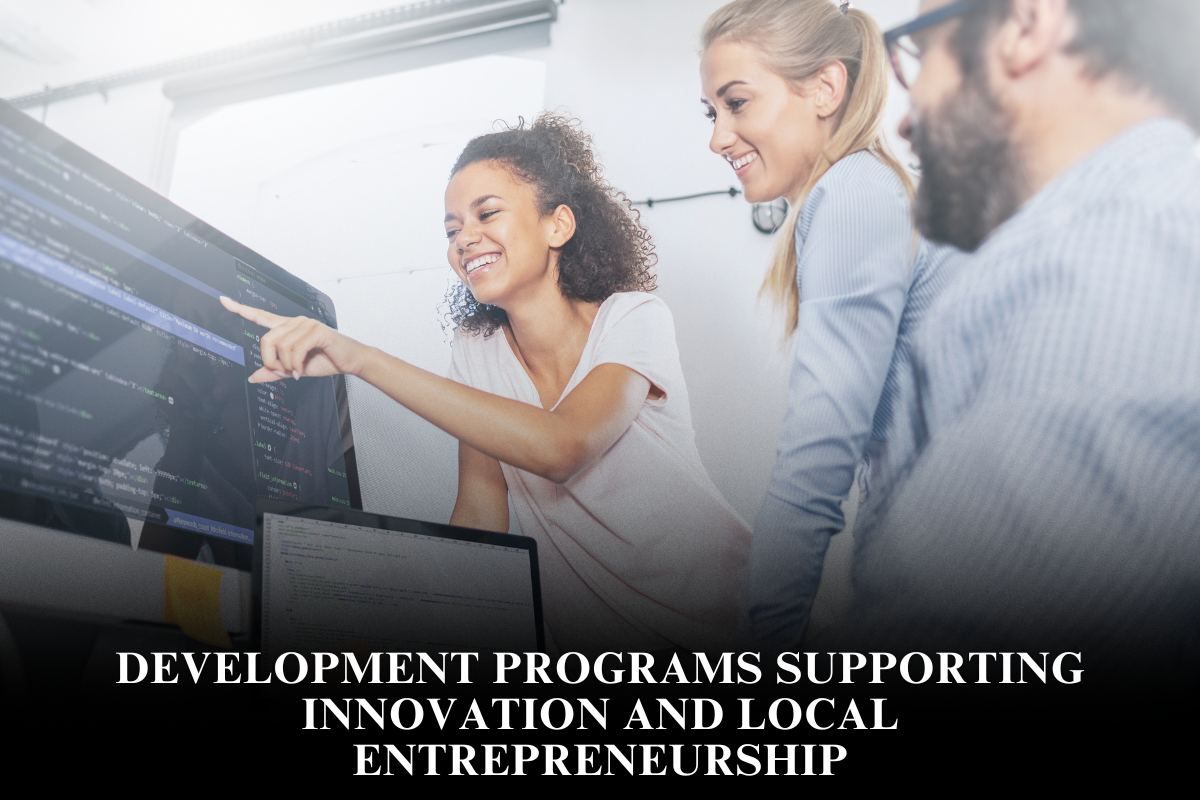
Youth entrepreneurs launch ventures addressing local needs, from tech startups to social enterprises. Zilingo’s young founders raised $308M for AI supply chains, while Youth for Sustainability cut plastic waste 30% via cleanups and education.
GenEI participants created Windows tutorials, learning teamwork and business models. These initiatives build grit, with MIT noting youth unicorns thrive on experience over age. Barriers like capital access persist, but programs empower via mentorship.
Civic Engagement and Volunteering
Youth volunteering strengthens communities: 10 ways include cleanups, advocacy, and service, inspiring adults per Teacher Created Materials. CIRCLE data shows sustained civic action despite barriers, influencing policy on climate/gun control. Post-disaster, youth organize mutual aid; long-term, it predicts adult volunteering and voting. Head Start/4-H yield lower crime, higher employment.
Advocacy and Social Change
Passionate youth champion equity: mental health campaigns, climate activism, and justice reforms via social media amplify voices. Funds for NGOs highlight 20 U.S. initiatives in environment/education; Lugarawa notes innovative strategies. They challenge inequalities, driving policy like inclusivity reforms.
| Role | Examples | Impact |
|---|---|---|
| Entrepreneurship | Zilingo, Youth Sustainability | $308M raised, 30% waste cut |
| Volunteering | Cleanups, service | 97% flourishing odds |
| Advocacy | Climate/gun policy | Systemic change |
Barriers and Empowerment Strategies
Socioeconomic hurdles limit participation; solutions: inclusive programs, funding (Global Youth Mobilization’s 22 projects), mentorship. Self-directed education via makerspaces/art centers builds agency. National Academies emphasize clubs/sports for development.
Measuring Youth Impact
Studies link volunteering to educational attainment/earnings; youth-led projects sustain via ownership. California Youth Commissions foster healthier communities via engagement.
Future Promise
With support, youth-led development ensures continuity—empowering them shapes equitable futures.
FAQs
1. Youth entrepreneurship examples?
Zilingo AI, sustainability cleanups—$308M, 30% waste reduction.
2. Volunteering benefits?
97% higher flourishing, adult civic engagement.
3. Advocacy role?
Policy influence on climate/justice via campaigns.
4. Barriers overcome?
Mentorship, funding like Global Youth Mobilization.
5. Long-term outcomes?
Lower crime, higher employment via programs.