Waste management and recycling practices are essential for protecting the environment, conserving natural resources, and promoting sustainable living. Effective waste management reduces pollution, minimizes landfill use, and supports a circular economy where materials are reused and recycled instead of discarded.
What is Waste Management?
Waste management includes the collection, transportation, processing, and disposal of waste materials. It covers household trash, industrial waste, hazardous materials, and organic waste. The goal is to handle waste responsibly to protect public health and ecosystems.
Key Waste Management Practices
Reduce
The most effective waste management step is reducing the amount of waste generated. This involves minimizing packaging, choosing durable goods, and avoiding single-use products. Reduction decreases the burden on waste systems and natural resources.
Reuse
Reusing items extends their life and prevents waste. Simple actions include repairing instead of replacing, donating unused goods, and repurposing materials creatively. Reuse prevents unnecessary consumption and keeps materials in circulation longer.
Recycling
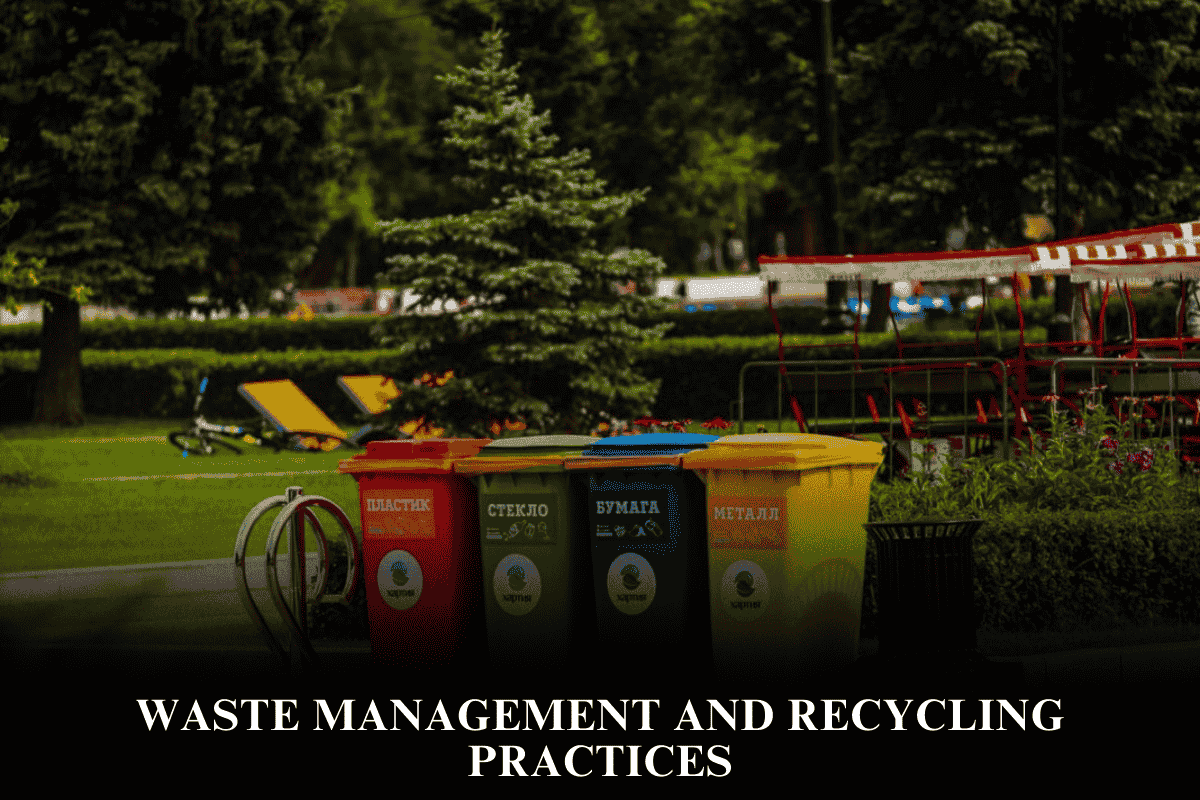
Recycling transforms waste like paper, glass, plastics, and metals into new products. It conserves raw materials and energy while reducing greenhouse gas emissions. Communities often offer curbside pickup or drop-off centers for recyclables.
Composting
Organic waste like food scraps and yard trimmings can be composted to enrich soil. Composting reduces landfill waste and creates valuable fertilizer, supporting sustainable agriculture and gardening.
Proper Disposal
Some waste, especially hazardous materials such as batteries, electronics, and chemicals, requires specialized disposal methods to prevent environmental contamination. Landfilling and incineration remain necessary for some waste but ideally with energy recovery and pollution controls.
Benefits of Effective Waste Management
- Reduces pollution of air, water, and soil, protecting ecosystems and health.
- Conserves natural resources and energy by reusing and recycling materials.
- Extends the lifespan of landfills by minimizing waste volume.
- Creates jobs and economic opportunities in recycling and waste processing industries.
- Supports sustainable development goals and circular economy principles.
Tips for Individuals and Businesses
- Follow local guidelines for separating recyclables, compostables, and trash.
- Avoid contamination by cleaning recyclables and discarding non-recyclables properly.
- Participate in or organize community clean-up, recycling drives, and educational programs.
- Support products made from recycled materials and companies with sustainable practices.
- Implement waste audits and reduction plans in workplaces to improve sustainability.
FAQ
Q: What’s the difference between waste reduction and recycling?
A: Waste reduction prevents waste generation, while recycling processes waste into new materials for reuse.
Q: How can I recycle correctly?
A: Follow local recycling rules, rinse containers, avoid plastic bags with recyclables, and separate materials as required.
Q: Is composting really beneficial?
A: Yes, composting reduces organic waste going to landfills and produces natural fertilizer that enhances soil health.
Q: What happens to hazardous waste?
A: Hazardous waste requires special handling and disposal to avoid environmental contamination.
Q: How does recycling reduce carbon footprint?
A: Recycling saves energy compared to making products from virgin materials, thus cutting greenhouse gas emissions.