Scientific temper refers to a mindset characterized by logical reasoning, skepticism, and evidence-based decision-making. It encourages people to question assumptions, test hypotheses, and analyze information with openness, which fosters critical thinking and rationality in daily life. Promoting scientific temper in society leads to progress, tolerance, and social harmony by replacing superstition and dogma with informed understanding.
Understanding Scientific Temper
Scientific temper goes beyond knowledge acquisition; it encompasses a way of thinking and acting marked by inquiry, humility, and rational evaluation. It involves constantly questioning beliefs, verifying facts, and being receptive to new evidence—even if it challenges previously held views. This attitude encourages creativity, innovation, and problem-solving, empowering individuals to make better personal and societal decisions.
Benefits of a Scientific Temper
A society grounded in scientific temper is open-minded and tolerant, actively combating superstition, prejudices, and irrationalism. It fosters secularism, humanism, and social reform by promoting reasoning over dogmatic belief.
Scientific temper enhances education, technology, and healthcare by encouraging continuous learning and adaptation to new information. Importantly, it lays the foundation for democratic governance and transparent institutions by demanding accountability based on evidence.
Promoting Scientific Temper in Everyday Life
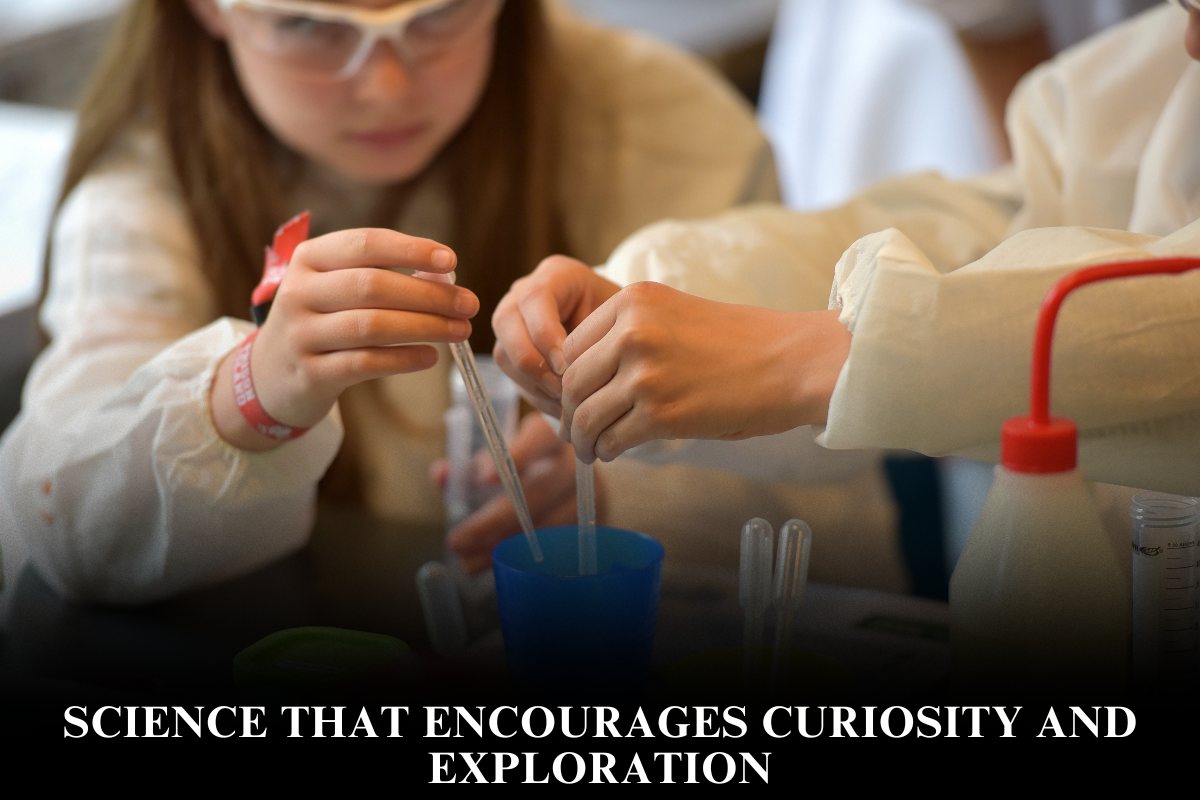
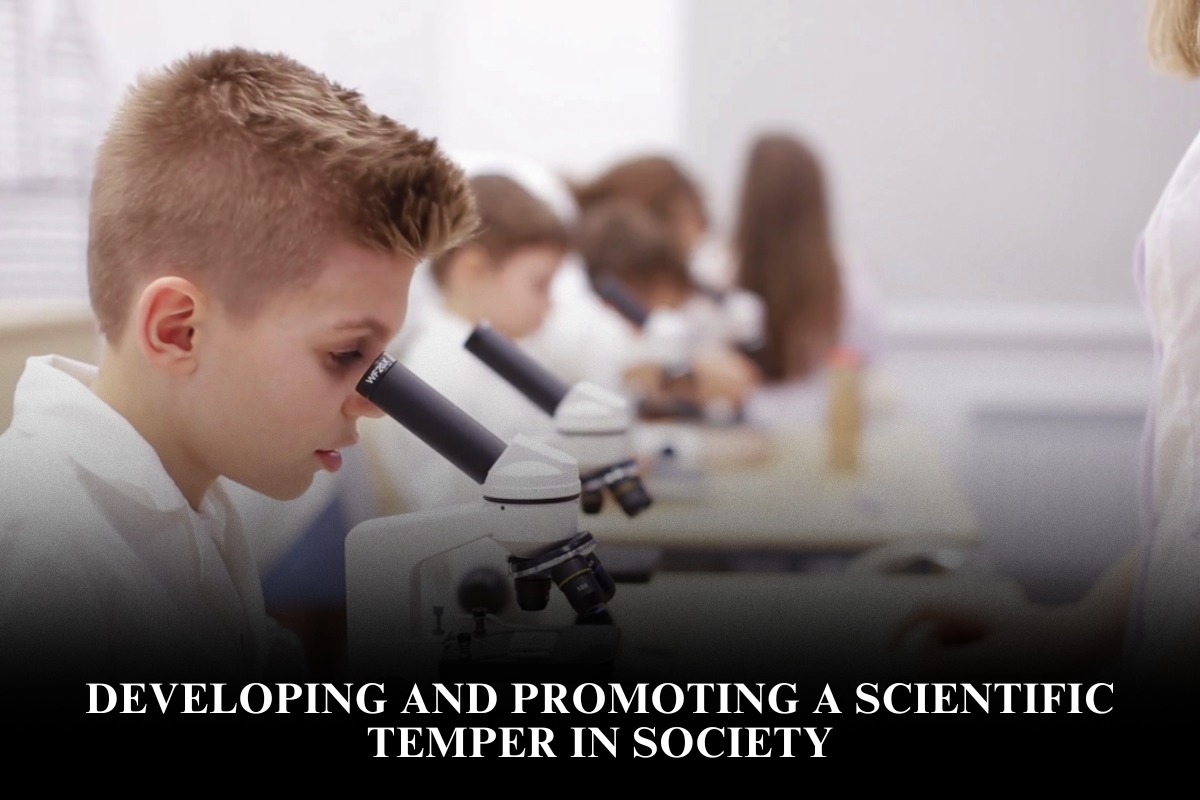
Developing scientific temper at a societal level starts with teaching critical thinking from an early age, emphasizing inquiry and experimentation. Media and public discourse should prioritize factual accuracy and logical argumentation. Encouraging public participation in science, through citizen science projects or open forums, democratizes knowledge and bridges gaps between experts and communities.
Overcoming Challenges to Scientific Temper
Promoting scientific temper faces obstacles like misinformation, cognitive biases, and cultural resistance. Addressing these requires ongoing education, promoting scientific literacy, and fostering dialogue that respects diverse backgrounds while emphasizing shared commitment to rational inquiry. Encouraging a culture that values questions over certainty helps create a more scientifically temperate society.
The Role of Institutions and Policy
Governments, educational institutions, and media have a crucial role in fostering scientific temper through curriculum development, funding research, and ethical science communication. Policies that support open data, transparency, and fact-based public debates nurture environments where scientific temper can flourish, ultimately contributing to societal well-being and harmony.
FAQ
What is scientific temper?
It is a rational, evidence-based mindset that values inquiry, skepticism, and openness to new knowledge.
How does scientific temper benefit society?
It combats superstition, promotes tolerance, drives innovation, and supports democratic transparency.
How can scientific temper be developed?
Through education, media accuracy, public engagement, and fostering critical thinking skills.
What challenges does scientific temper face?
Misinformation, biases, cultural resistance, and lack of scientific literacy.
Who should promote scientific temper?
Governments, educational systems, media, and civil society through policies and outreach.