Scientific outreach programs empower rural villages and towns across the USA by bridging urban-rural knowledge gaps, fostering innovation, and building community resilience through hands-on ...
Creating inclusive community spaces for lifelong learning transforms libraries, makerspaces, and senior centers into hubs where all ages and abilities engage in skill-building, fostering ...
Traditional knowledge (TK)—centuries-old practices, observations, and innovations from Indigenous communities—holds vital insights for sustainability, passed orally through generations in USA tribes like the Penobscot ...
Community learning spaces like libraries, makerspaces, and community schools fill critical gaps in U.S. education by providing free access to tech, collaboration hubs, and ...
Educational and awareness camps play a powerful role in strengthening communities across the United States by sharing knowledge, building skills, and fostering social cohesion. ...
Scientific education fosters social responsibility by equipping individuals with evidence-based tools to tackle global challenges like climate change, public health crises, and resource inequities. ...
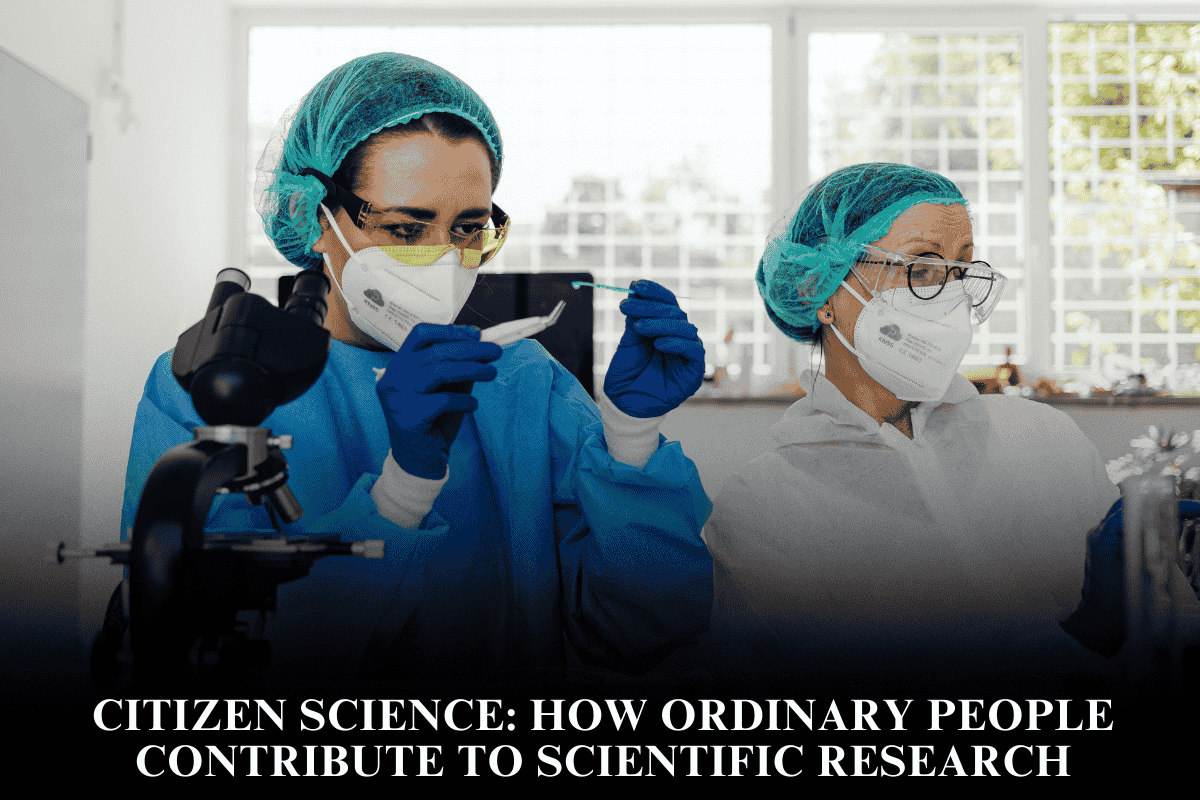
Citizen science harnesses everyday people to gather massive datasets, test hypotheses, and drive discoveries that professional scientists alone couldn’t achieve. From backyard bird counts ...
Bridging the knowledge and education gap in rural communities demands more than building schools; it requires tackling infrastructure, teacher shortages, digital exclusion, and poverty ...
Community-led innovation empowers residents to co-create practical solutions for issues like food insecurity, waste management, and digital divides, yielding sustainable outcomes tailored to unique ...
Science-based activities like citizen science projects engage volunteers in data collection for biodiversity monitoring, pollution tracking, and climate research, fostering community impact while building ...