Women drive U.S. community science and awareness movements by leading grassroots activism, policy advocacy, and inclusive research that bridges labs with local needs, inspiring ...
Community-based learning (CBL) integrates academic study with real-world community service, fostering skills like critical thinking, empathy, and leadership that empower students to address societal ...
Scientific temper refers to a mindset of rational, evidence-based thinking applied to everyday life, involving questioning, observation, hypothesis-testing, analysis, and openness to new evidence ...
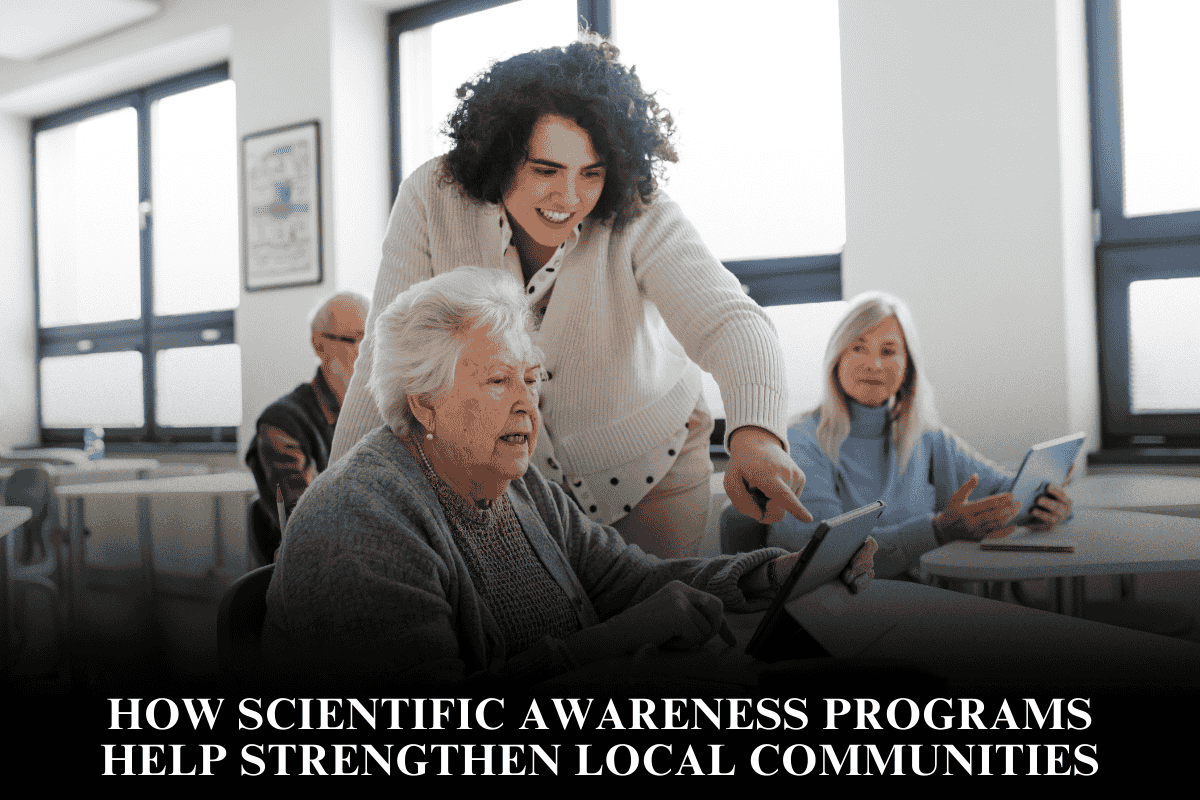
Scientific awareness programs empower communities by fostering knowledge, environmental stewardship, and active participation in research, bridging gaps between experts and residents for tangible improvements ...
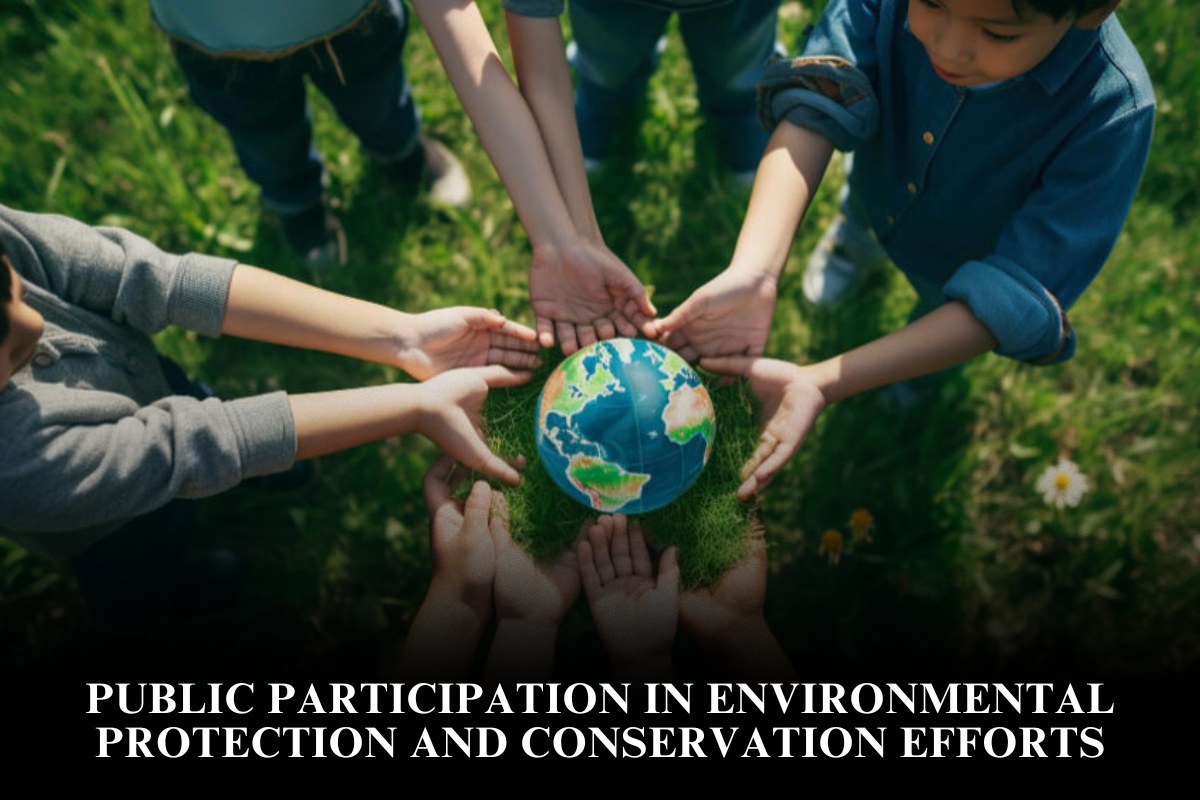
Public participation plays a vital role in environmental protection and conservation. It involves communities and individuals in decision-making, stewardship, and actions that safeguard natural ...
Science, often perceived as a purely objective and technical discipline, holds tremendous potential as a unifying force in society. Beyond technological advances and data, ...
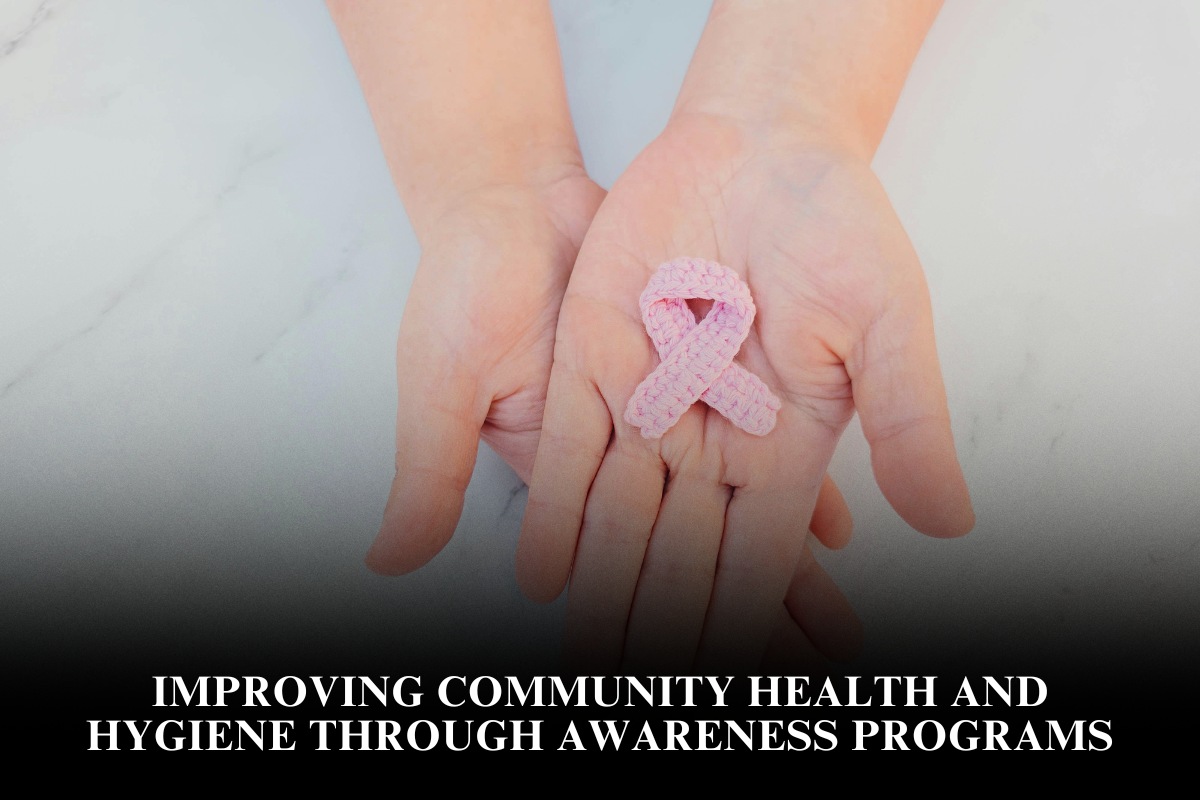
Awareness programs elevate community health and hygiene by educating residents on preventable diseases, sanitation practices, and nutrition, leading to measurable reductions in infections, chronic ...
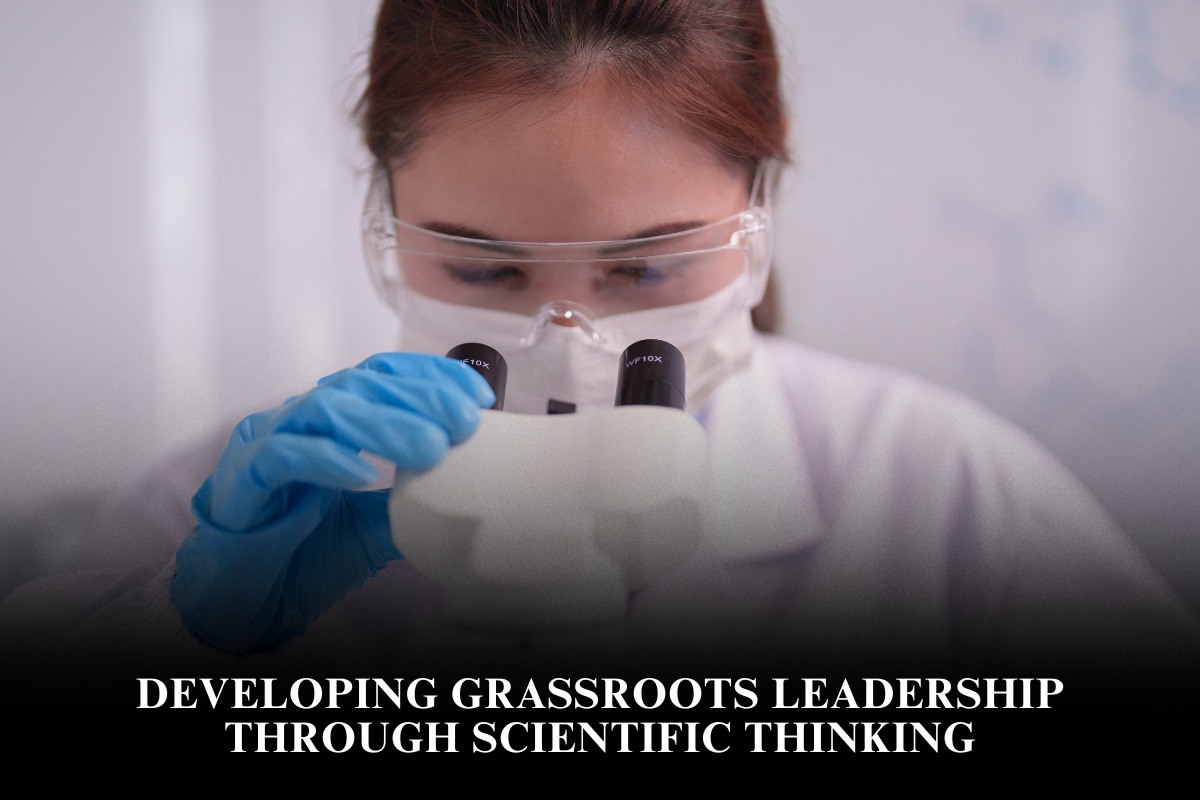
Developing grassroots leadership through scientific thinking means empowering local individuals to lead community change by nurturing their ability to analyze problems, think critically, and ...
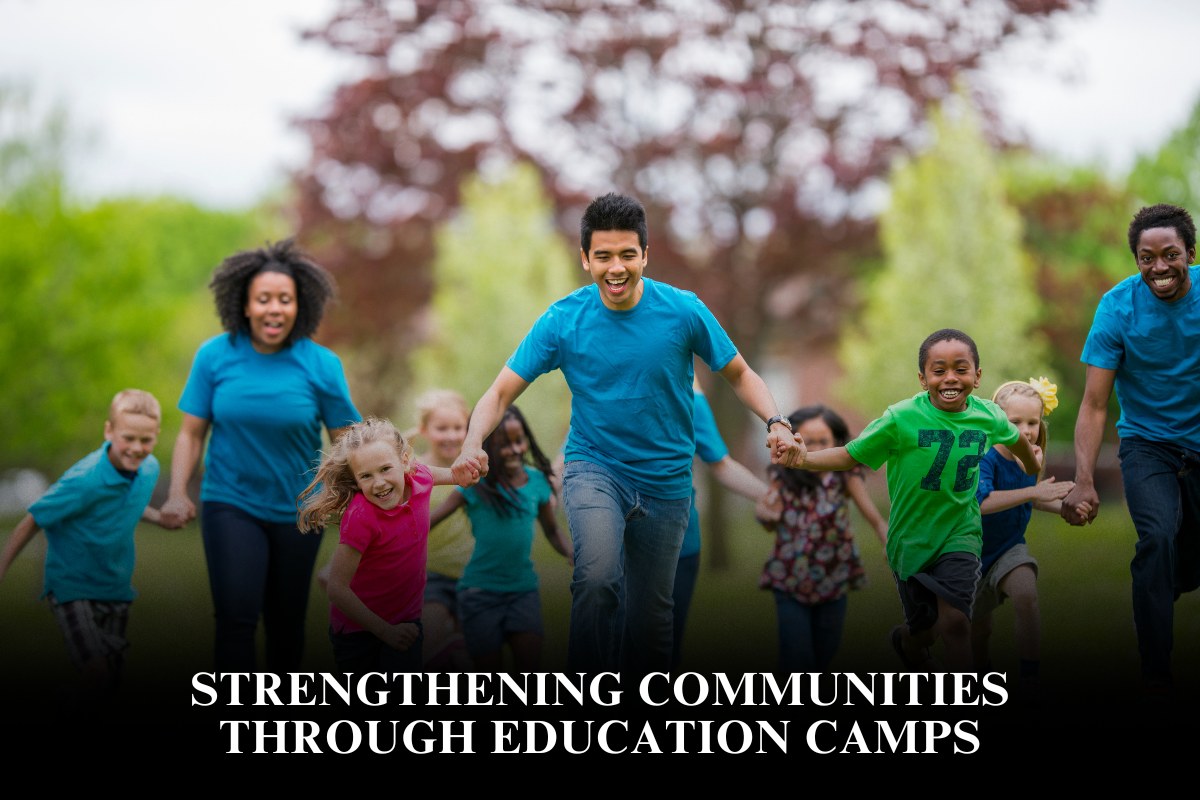
Education camps play a vital role in strengthening communities by providing safe, supportive spaces where individuals, especially youth, can learn, grow, and connect. These ...
Social responsibility through scientific awareness bridges the gap between knowledge and ethical action, empowering individuals and communities to use science as a force for ...