Bridging the gap between curriculum and practical learning is essential for making education holistic, meaningful, and applicable to real-life situations. Traditional curricula often emphasize theoretical knowledge that can feel abstract and disconnected from students’ experiences.
Integrating practical learning into the curriculum fosters deeper understanding, critical thinking, and skill development, better preparing students for future challenges.
Importance of Practical Learning in Curriculum
Practical learning brings concepts to life by allowing students to actively apply theories through experiments, projects, and real-world problem-solving. This linkage helps internalize knowledge, improves retention, and cultivates a scientific temper. It also addresses diverse learning styles, making science education inclusive and accessible.
Strategies for Integration
1. Curriculum Design Reform
Curricula should explicitly incorporate practical components aligned with learning objectives. Including lab sessions, fieldwork, project-based tasks, and interdisciplinary activities ensures consistent practice alongside theory.
2. Inquiry-Based and Experiential Learning
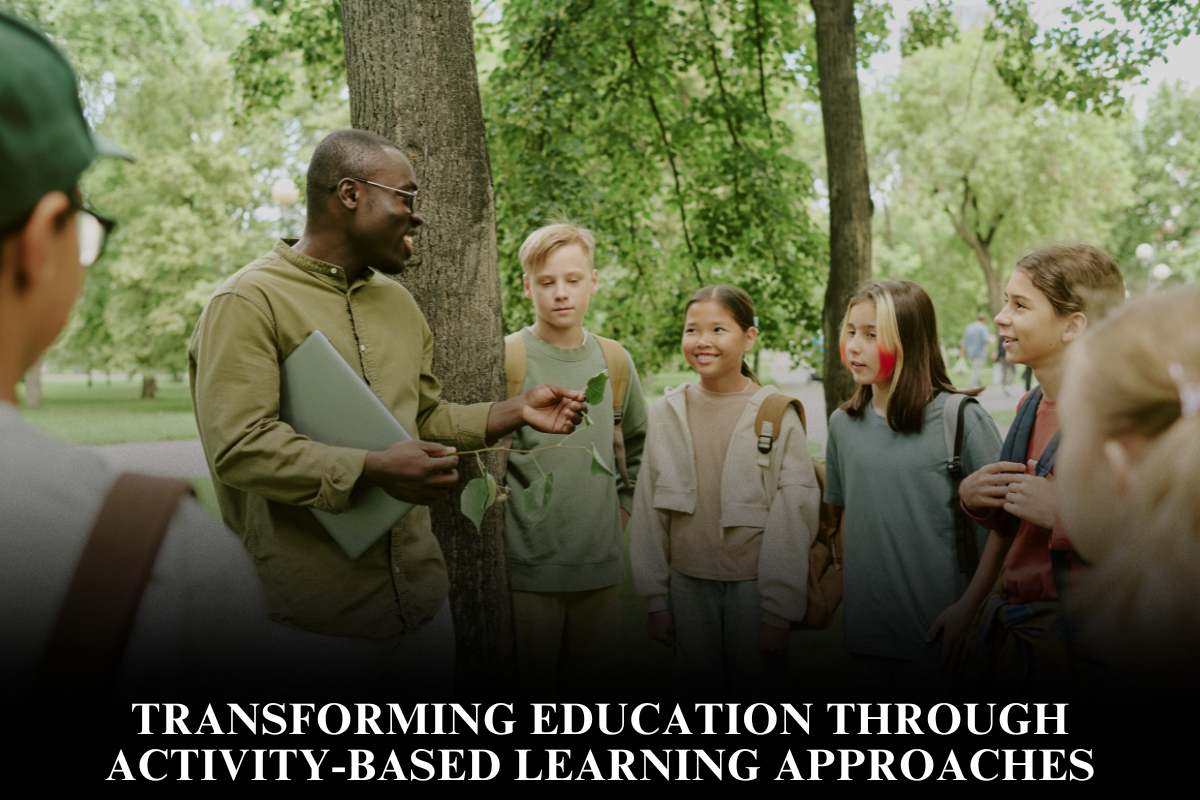
Encouraging scientific inquiry and exploration within curriculum frameworks promotes active engagement. Allowing students to formulate questions, design investigations, and analyze results embeds practical skills intrinsically.
3. Teacher Training and Support
Educators require training to effectively implement practical learning methods and manage resources. Professional development equips teachers to integrate experiments, facilitate projects, and assess experiential learning outcomes.
4. Use of Innovative Teaching Aids and Technology
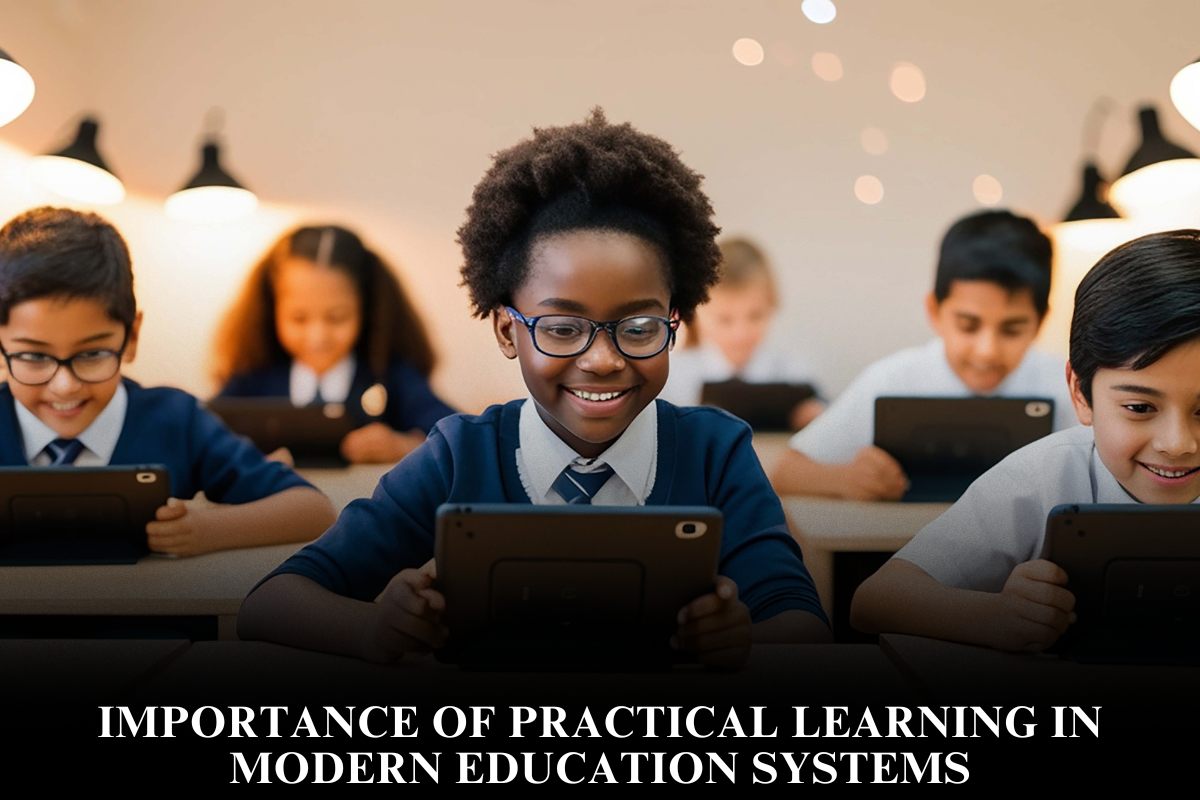
Tools such as simulations, virtual labs, kits, and multimedia resources enable practical learning even in resource-limited settings. These aids bridge gaps where traditional labs or equipment may be unavailable.
5. Community and Industry Collaboration
Partnerships with local industries, research institutions, and communities provide opportunities for internships, real-world projects, and access to expertise and resources that enrich practical learning.
6. Assessment Reforms
Including formative and performance-based assessments that evaluate practical skills and process understanding rather than rote memorization encourages students to value and engage with hands-on learning.
Overcoming Challenges
Challenges include infrastructural constraints, large class sizes, rigid curricula, and exam-oriented education systems. Addressing these requires policy support, resource allocation, flexible syllabi, and awareness campaigns highlighting the benefits of practical learning.
Benefits to Students and Society
Bridging this gap prepares students for higher education and STEM careers by developing analytical and problem-solving skills. It enhances scientific literacy, critical thinking, and adaptability, all crucial in a rapidly evolving world. Societally, it fosters innovation, informed decision-making, and resilience.
FAQs
Why is practical learning important alongside curriculum?
It deepens understanding, enhances retention, develops critical skills, and connects education to real-life contexts.
How can curricula be made more practical?
By integrating experiments, projects, inquiry-based tasks, and interdisciplinary activities aligned with learning goals.
What role do teachers play?
They design and facilitate practical activities, guide inquiry, and assess experiential outcomes.
Can technology help bridge the gap?
Yes, digital tools, simulations, and virtual labs provide accessible platforms for practical learning.