Education is more than the transmission of facts—it is a process of shaping minds to think critically, reason logically, and solve complex problems. In the modern world, where technological innovation, rapid change, and global challenges define progress, problem-solving and analytical skills have become essential. Effective education empowers students to apply knowledge creatively, evaluate situations intelligently, and make sound decisions in personal and professional life.
The Foundation of Problem-Solving in Education
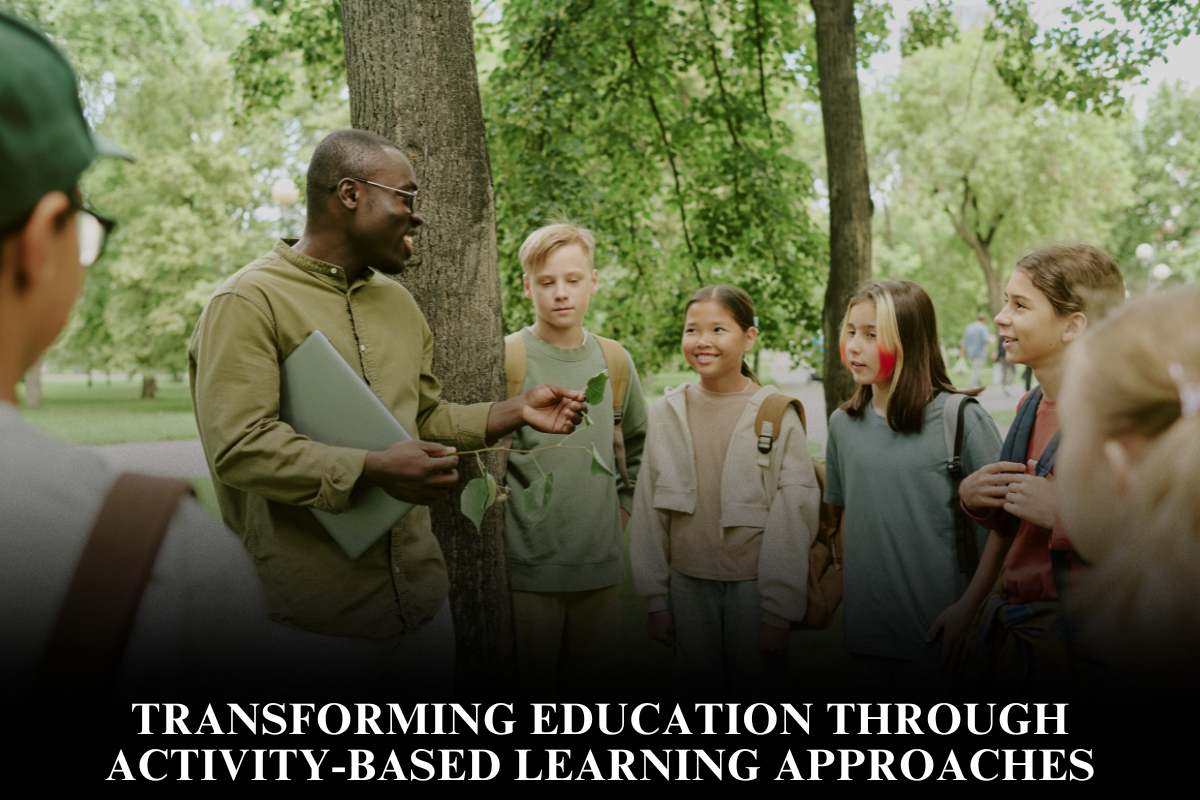
Problem-solving begins with curiosity. When learners question how and why things work, they are engaging the first level of analytical thought. A strong educational system nurtures this curiosity through inquiry-based learning, project work, and open-ended questions that require reasoning rather than memorization.
In subjects like mathematics and science, problem-solving involves analyzing data, identifying patterns, and developing logical steps toward solutions. In humanities and social sciences, it means interpreting information, understanding perspectives, and constructing well-reasoned arguments. By challenging students to solve real-world issues, education helps foster resilience, adaptability, and creative thinking.
Analytical Skills: The Core of Intellectual Growth
Analytical skills involve breaking down complex information into smaller, manageable parts. They enable learners to assess evidence, interpret results, and make conclusions based on logical reasoning. Education provides various opportunities to strengthen these skills through activities like research projects, experiments, debates, and case studies.
Modern pedagogies emphasize critical reading, data interpretation, and logical reasoning as part of the learning process. For example, students analyzing historical events learn to differentiate between fact and opinion, examine sources critically, and understand the cause-and-effect relationships behind decisions or outcomes.
Teaching Methods That Encourage Critical Thinking
Educators play a vital role in shaping a student’s analytical and problem-solving ability. The teaching style, classroom environment, and assessment methods must encourage deeper understanding rather than surface-level learning. Some effective methods include:
- Inquiry-Based Learning: Encourages students to explore questions and discover answers independently or collaboratively.
- Project-Based Learning (PBL): Students work on projects that require research, experimentation, and applied reasoning.
- Case Study Analysis: Particularly in higher education, this method helps students apply theoretical knowledge to practical scenarios.
- Socratic Questioning: Teachers engage students through thought-provoking questions that guide them to refine and justify their reasoning.
- Collaborative Learning: Group discussions and teamwork expose students to multiple perspectives, enhancing analytical thinking through dialogue.
Role of Technology and Innovation in Skill Development
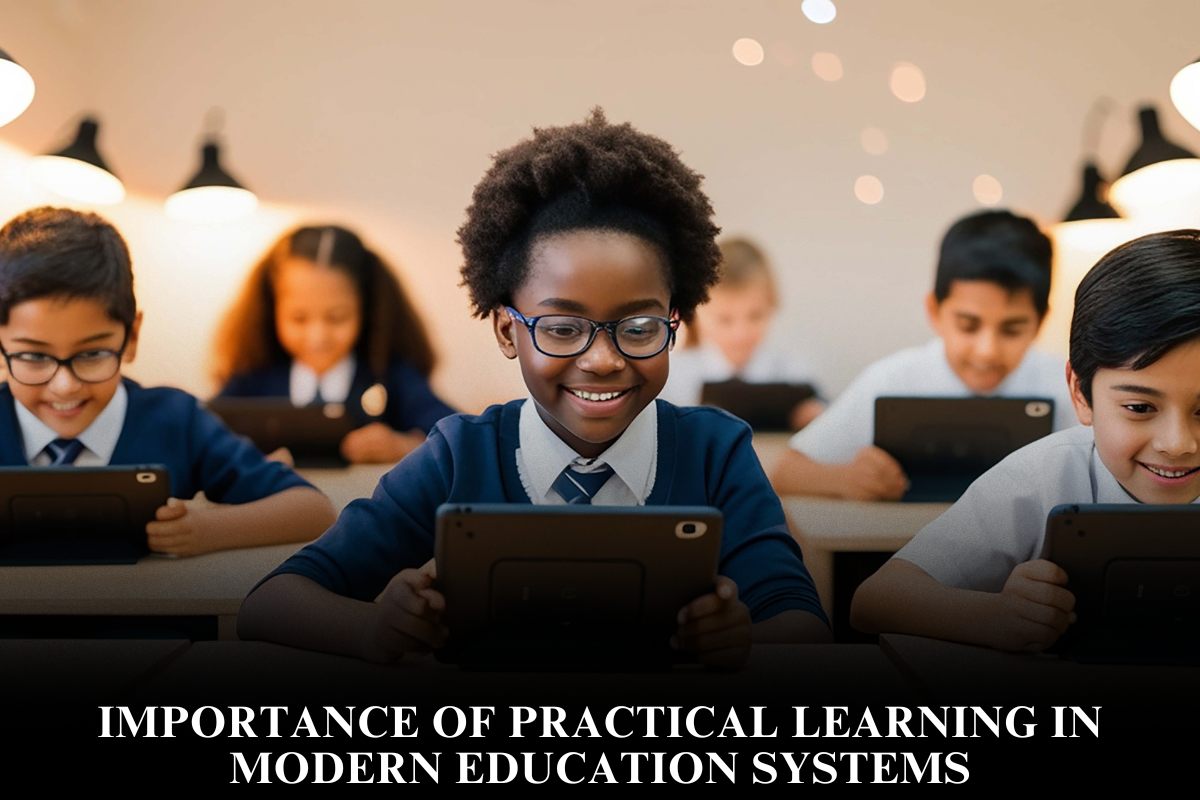
Digital learning tools and technologies have transformed traditional education, offering new ways to develop problem-solving and analytical skills. Simulation-based learning, virtual laboratories, and interactive platforms allow students to test theories and visualize abstract concepts.
Artificial intelligence-based tutors, gamified learning apps, and data-driven assessments also help personalize learning experiences. By providing instant feedback, these tools guide students toward better solutions and analytical reasoning.
Interdisciplinary Education and Real-World Application
Problem-solving in the real world rarely fits neatly within the confines of a single subject. Interdisciplinary learning connects concepts from multiple fields, allowing students to approach problems holistically. For example, addressing climate change involves understanding environmental science, economics, social behavior, and politics.
Educational reforms today emphasize interdisciplinary projects that combine STEM (Science, Technology, Engineering, Mathematics) with arts and humanities. This approach cultivates well-rounded thinkers who can evaluate complex global issues from multiple dimensions.
Lifelong Impact of Analytical Education
Analytical and problem-solving competence extends far beyond the classroom. These skills are valuable in every sphere—business, healthcare, innovation, governance, and daily decision-making. People with analytical skills are better equipped to handle uncertainty, assess risks, and craft sustainable solutions.
Employers increasingly seek individuals who can think independently, process data critically, and adapt to changing circumstances. Therefore, education that nurtures such skills contributes to personal success and national progress alike.
Conclusion
In essence, education that supports problem-solving and analytical development builds minds capable of facing the future confidently. By replacing rote learning with critical engagement, providing real-world applications, and integrating technology, educators can cultivate thoughtful, intelligent, and proactive individuals. A society that invests in analytical education invests in its ability to innovate, adapt, and lead in a challenging world.
Frequently Asked Questions (FAQs)
1. Why are problem-solving and analytical skills essential in education?
Problem-solving and analytical skills enable students to apply knowledge practically and make informed decisions. They prepare learners to face real-world challenges, such as analyzing business strategies, designing technology, or resolving community issues. These skills also strengthen independence and confidence in learning, making education more meaningful and dynamic.
2. How can teachers integrate analytical learning in everyday lessons?
Teachers can incorporate analytical tasks by asking open-ended questions, encouraging debates, and assigning cross-disciplinary projects. Using real-life examples allows students to examine problems critically. For instance, analyzing environmental case studies in geography or economic policies in social studies promotes reasoning and data interpretation.
3. What role does technology play in enhancing these skills?
Technology offers interactive and adaptive learning environments that strengthen critical thinking. Tools such as simulations, coding platforms, and data analysis apps allow students to test ideas and view complex systems in action. Digital platforms also enable collaborative learning, where students from different backgrounds share solutions and analytical perspectives.
4. How do analytical skills benefit students beyond academic life?
Analytical skills help individuals manage everyday decisions—whether evaluating financial options, understanding news critically, or resolving workplace challenges. They promote logical judgment, creativity, and self-directed learning, which are invaluable in professional development, leadership, and entrepreneurship.