Developing critical thinking and problem-solving skills equips USA students for real-world challenges, from STEM careers to civic engagement, where only 34% of high school seniors demonstrate proficiency per NAEP assessments.
These competencies—analyzing evidence, evaluating arguments, and devising solutions—boost college readiness by 25% and workplace success, per ACT and Gallup data. Educators employ Socratic seminars, project-based learning (PBL), and inquiry methods aligned with Common Core and Next Generation Science Standards to foster independent thinkers.
Understanding Critical Thinking and Problem-Solving
Critical thinking involves questioning assumptions, weighing evidence, and drawing reasoned conclusions, while problem-solving applies logic to overcome obstacles systematically. USA frameworks like Bloom’s Taxonomy elevate from remembering to creating/analyzing. Deficits persist: 65% of employers cite skill gaps, per NACE surveys. Early cultivation prevents rote learning pitfalls.
Strategies for Classroom Implementation
Socratic Questioning: Pose “Why?” and “What if?” probes to unpack ideas—e.g., debate climate policies. Boosts reasoning 20-30%, per studies.
Project-Based Learning (PBL): Students tackle authentic problems like designing sustainable communities, integrating math/science. Buck Institute models yield 25% higher engagement.
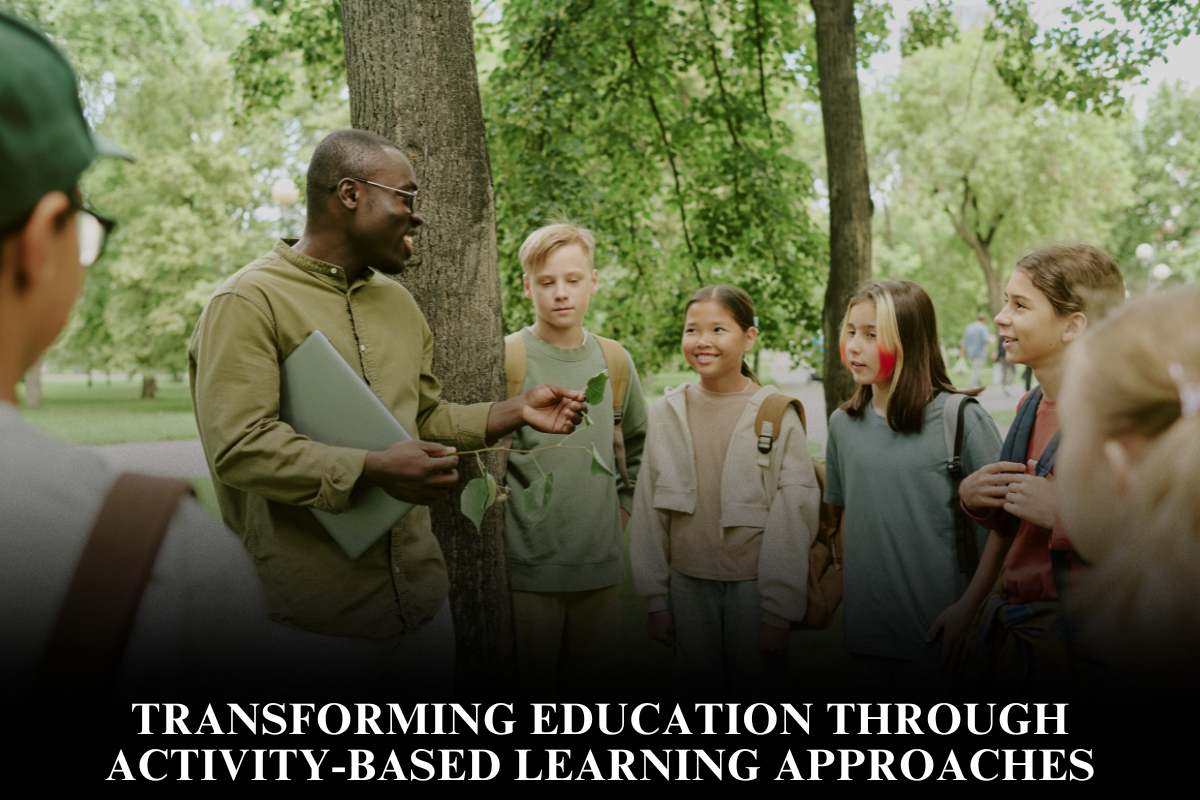
Inquiry-Based Science: NGSS emphasizes “doing” science—hypothesize, test, revise. Labs analyzing data (e.g., water quality) hone evidence evaluation.
Case Studies and Debates: Real scenarios (e.g., ethical dilemmas) promote perspective-taking; debate clubs raise SAT verbal scores 10-15 points.
Differentiation: Scaffold for diverse needs—visual aids for ELLs, graphic organizers for ADHD.
Role of Technology and Tools
Digital platforms amplify skills: Kahoot polls spark analysis; Google Earth PBL explores geography. AI tools like ChatGPT prompt “critique this argument,” teaching bias detection. Coding via Code.org builds algorithmic thinking, with 80% problem-solving gains.
Gamification (Minecraft Education) simulates scenarios; apps like Elevate train daily.
Teacher Training and School Culture
PD essential: 70% teachers lack training, per EdWeek. Programs like PBLWorks certify facilitators. School-wide: critical thinking rubrics on report cards, clubs like Model UN.
Parental involvement: home discussions reinforce habits.
Measuring Progress and Long-Term Impact
Rubrics assess depth: “Does student justify claims?” Portfolios track growth. Outcomes: PBL students score 20% higher on complex tasks; critical thinkers earn 15% more post-graduation.
| Strategy | Key Activity | Benefit |
|---|---|---|
| Socratic | Open debates | +30% reasoning |
| PBL | Real projects | 25% engagement |
| Inquiry | Experiments | Evidence skills |
| Tech | Coding/AI | 80% problem-solving |
Challenges and Solutions
Time constraints: Integrate across subjects. Resistance: Start small, model vulnerability. Equity: Free tools for low-income districts.
FAQs
1. What’s PBL?
Project-based learning: students solve real problems, gaining 25% higher engagement.
2. Best age to start?
Elementary: inquiry games; high school: debates/cases for depth.
3. Tech role?
Amplifies via simulations/coding; AI critiques build analysis.
4. Measure success?
Rubrics/portfolios track justification, application.
5. Teacher prep?
PD like PBLWorks; model thinking aloud.