Activity-based learning revolutionizes education by shifting from passive lectures to hands-on experiences that deepen understanding and retention. This approach, championed in U.S. classrooms through STEM programs and Montessori methods, engages students actively, fostering critical thinking and real-world skills essential for modern success.
Core Principles of Activity-Based Learning
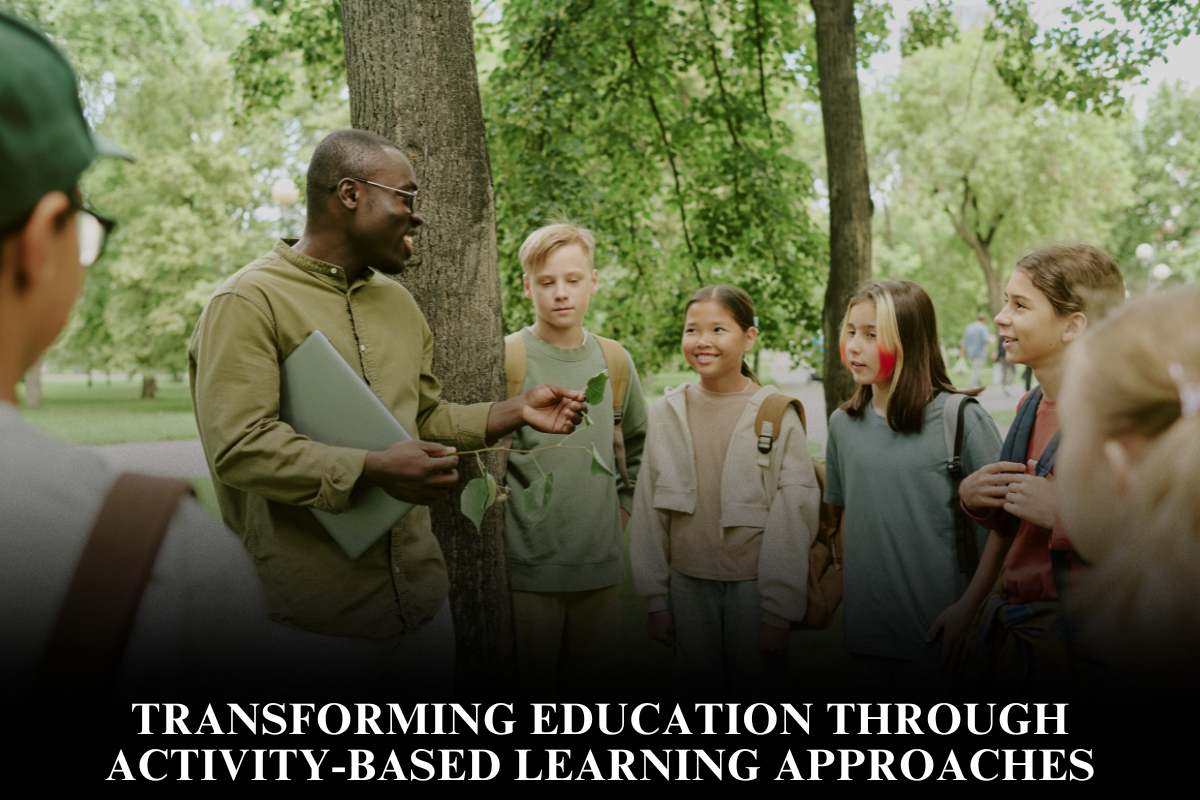
Activity-based learning emphasizes doing over memorizing, using projects, experiments, and collaborations to explore concepts. Students build models, conduct simulations, or solve problems, making abstract ideas tangible—like dissecting virtual frogs in biology or coding robots in math.
This method aligns with constructivist theory, where learners construct knowledge through experience, boosting engagement by 40-60% per educational studies.
Enhances Retention and Comprehension
Hands-on activities strengthen neural pathways, improving long-term retention by 75% compared to traditional methods, as brain imaging shows increased activity in memory centers. In U.S. project-based learning (PBL) pilots, math scores rose 20-30% as students applied algebra to real budgeting tasks.
Science fairs and maker spaces turn theory into practice, clarifying complex topics like physics through bridge-building challenges.
Develops Critical Thinking and Problem-Solving
Activities mimic real life, teaching iteration: hypothesize, test, refine. PBL curricula in states like California yield 25% higher critical thinking gains, preparing students for careers demanding adaptability amid AI shifts.
Collaborative tasks build teamwork, with group experiments enhancing communication skills vital for diverse workplaces.
Boosts Engagement and Reduces Behavioral Issues
Interactive formats cut dropout risks by 30%, as disengaged students thrive when empowered. Gamified activities like escape rooms for history spark joy, lowering discipline referrals by 40% in adopting schools.
Equity improves: kinesthetic learning aids diverse styles, closing gaps for English learners and special needs students.
Fosters Creativity and Innovation
Open-ended projects unleash imagination—designing sustainable cities or inventing gadgets—cultivating 21st-century skills. U.S. maker movement programs correlate with 35% higher patent interest among youth.
Digital tools like VR simulations expand possibilities, blending tech with creativity for immersive history or ecology lessons.
Implementation Strategies for Educators
Start small: integrate one activity weekly, using low-cost materials like recyclables. Train via PDAL workshops; assess via rubrics focusing on process, not just products. Scale with school-wide themes, partnering businesses for authentic challenges.
Parental buy-in via showcases sustains momentum, ensuring holistic transformation.
Activity-based learning empowers students as lifelong learners, equipping them for a dynamic world through joyful, meaningful education.
Frequently Asked Questions (FAQs)
Q. What defines activity-based learning?
Hands-on projects and experiences where students actively construct knowledge, outperforming lectures in retention.
Q. How much does it improve academic outcomes?
Boosts retention 75%, math scores 20-30%, and critical thinking 25% via PBL studies.
Q. Why does it reduce behavioral problems?
High engagement lowers dropouts 30% and referrals 40% by making learning relevant and fun.
Q. Is it suitable for all students?
Yes, aids diverse learners including ELL and special needs, closing equity gaps.
Q. How to implement it in classrooms?
Begin with weekly activities, use rubrics for assessment, and partner locally for real-world ties.