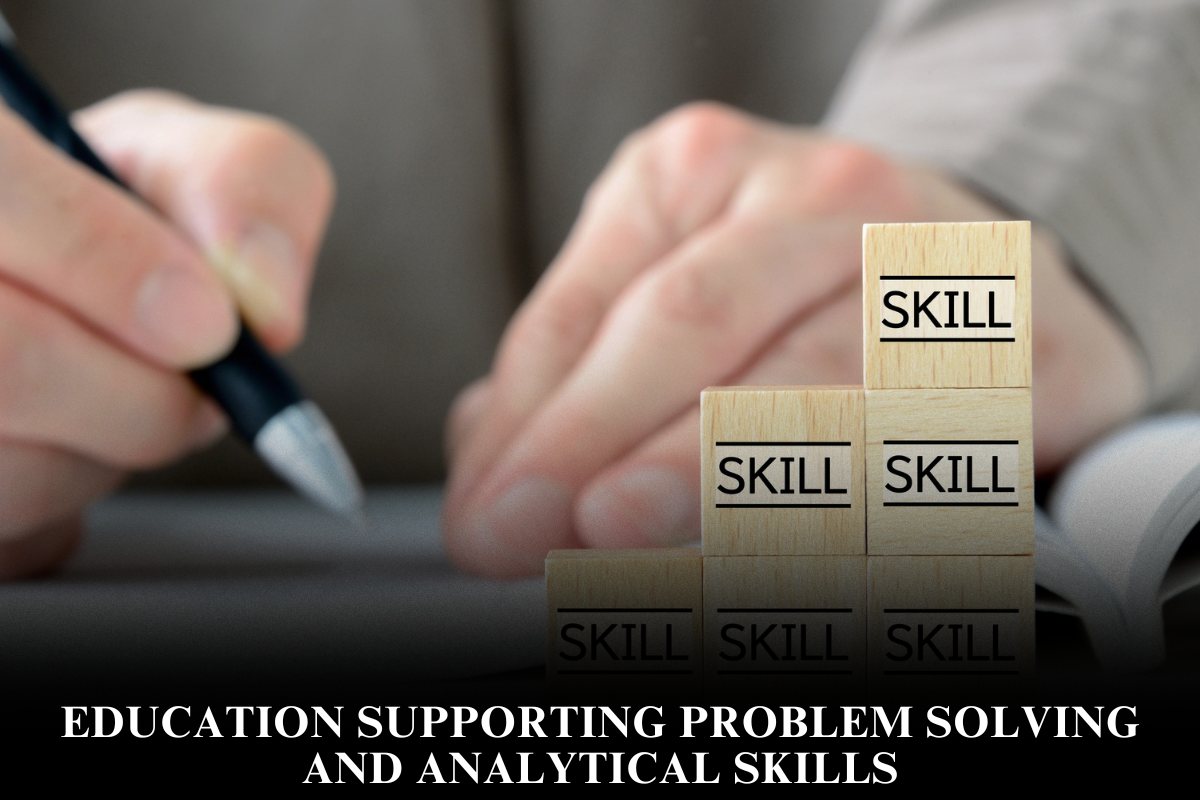
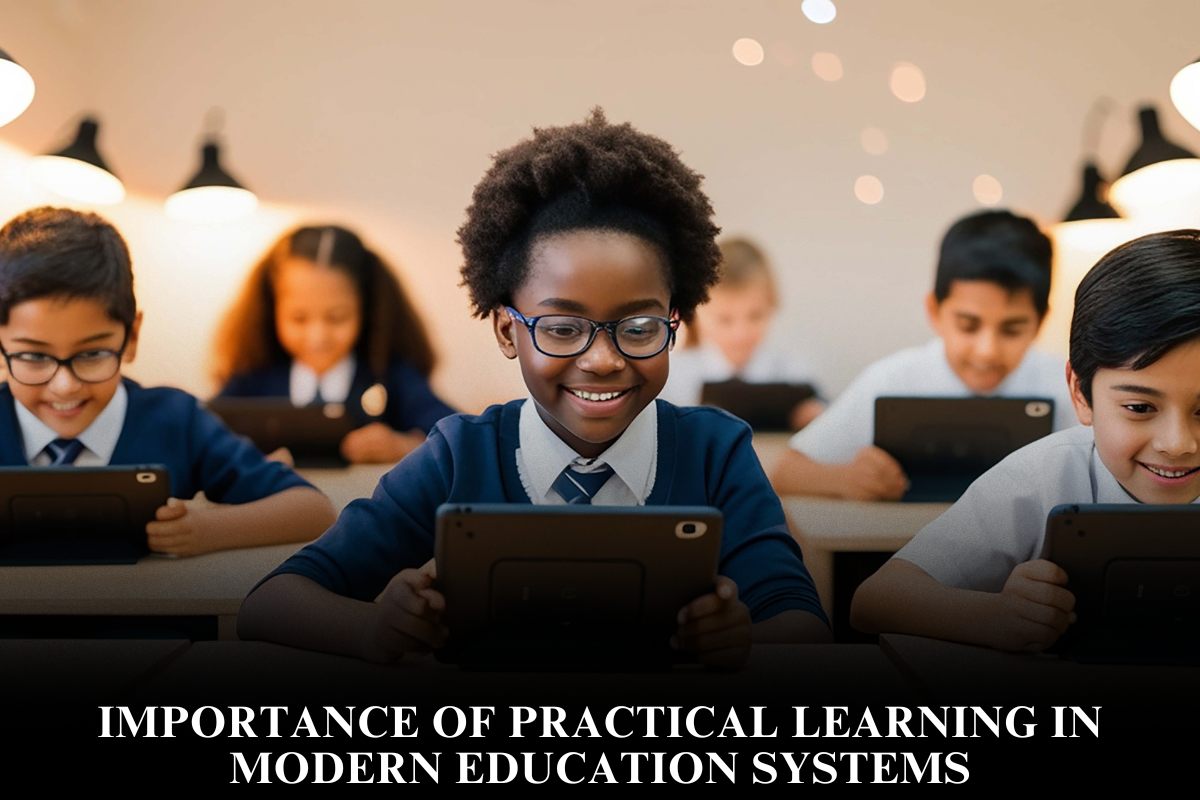
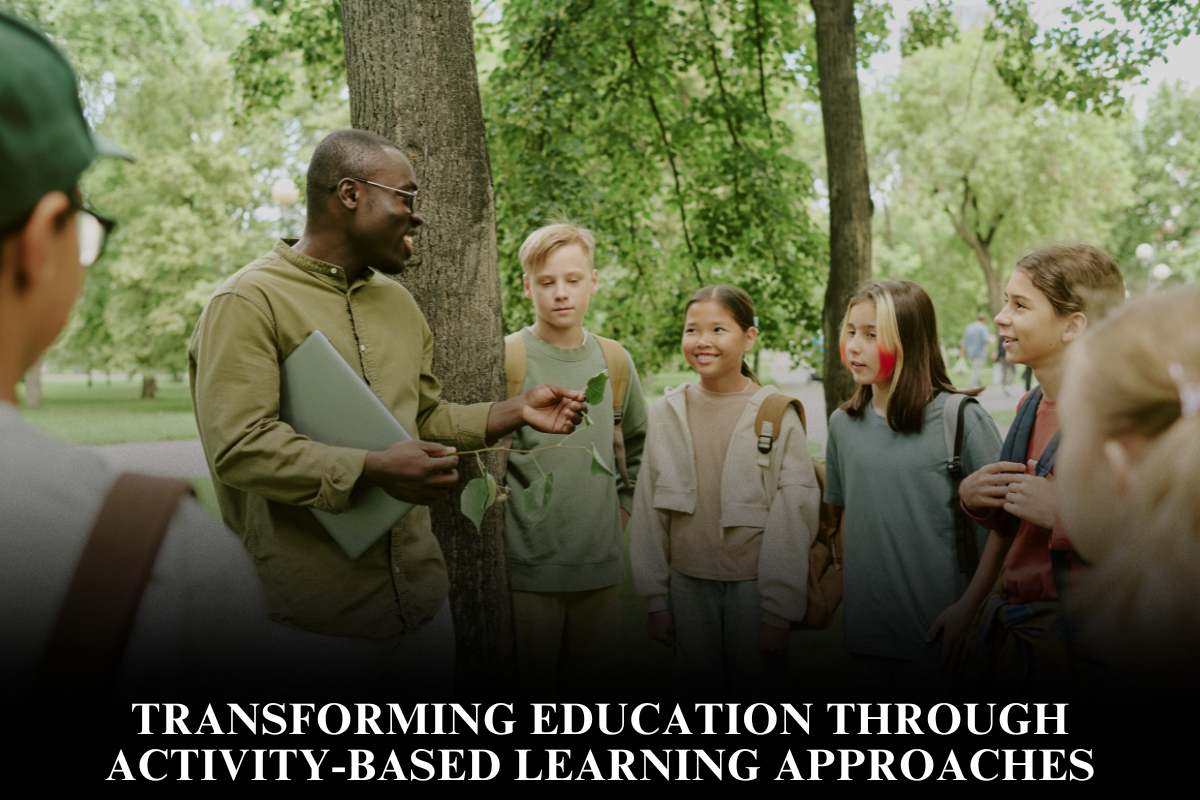
Education that encourages curiosity and independent thinking transforms passive learners into lifelong explorers, fostering innovation and adaptability essential in America’s dynamic economy.
U.S. models like Montessori, Reggio Emilia, and project-based learning (PBL) prioritize inquiry over rote memorization, boosting critical thinking scores 25-30% per studies from the Buck Institute.
With 21st-century skills like problem-solving outpacing content knowledge in 85% of jobs, these approaches—championed by the Department of Education—equip students for real-world challenges, from STEM breakthroughs to civic engagement.
Inquiry-Based Classrooms
Curiosity thrives when questions drive lessons: PBL tasks students with authentic problems, like designing sustainable farms, yielding 20% higher retention than lectures. Montessori’s child-led environments, with mixed-age groups and hands-on materials, cultivate self-direction—grads show 15% better executive function per UVA research. Reggio Emilia views kids as “competent protagonists,” using provocations (artifacts sparking wonder) to document learning journeys.
Fostering Independent Thinking
Socratic seminars debate open questions, honing argumentation without right answers—Stanford’s Philosophy for Children program raises empathy 18%. Makerspaces encourage tinkering; 4-H robotics clubs build prototypes, mirroring Silicon Valley innovation. Flipped classrooms shift homework to videos, freeing class for collaborative exploration.
Role of Teachers as Facilitators
Educators pose provocations, not answers: “What if?” prompts ignite hypotheses. Feedback focuses on process—”How did you revise?”—building metacognition, per John Hattie’s Visible Learning meta-analysis (d=0.73 effect size).
Parental and Community Involvement
Home extensions like science journals or nature walks reinforce inquiry; libraries host storytimes sparking “why?” PTAs fund makerspaces, aligning with user’s education interests.
| Method | Core Practice | Outcome Boost |
|---|---|---|
| PBL | Authentic problems | 20% retention |
| Montessori | Child-led materials | 15% executive function |
| Socratic | Open debates | 18% empathy |
| Makerspaces | Tinkering/prototypes | Innovation skills |
Challenges and Solutions
Standardized testing tensions resolved via integrated projects; equity via universal design for learning (UDL) accommodates diverse needs.
Long-Term Impacts
Graduates excel: PBL alumni 30% more likely in creative fields; curiosity correlates with 22% higher lifetime earnings.
FAQs
Q. How does PBL spark curiosity?
Real problems like farm design drive inquiry, retention +20%.
Q. Montessori vs. traditional?
Child-led vs. teacher-directed; better self-regulation.
Q. Teacher role in independent thinking?
Facilitator—provocations, process feedback.
Q. Home ways to encourage?
Journals, “why?” walks, library events.
Q. Evidence of lifelong benefits?
Curiosity links to 22% earnings premium.