Natural curiosity drives discovery in children, turning everyday wonders into lifelong learning when nurtured through hands-on experiments. Simple activities spark questions like “Why does this happen?” fostering critical thinking, problem-solving, and joy in exploration without formal lessons.
Why Experiments Ignite Curiosity
Experiments make abstract concepts tangible, engaging multiple senses to build neural connections. Children hypothesize, test, observe, and conclude, mirroring the scientific method playfully. This boosts retention—studies show hands-on learning improves memory 75% over passive methods—while building resilience through trial-and-error.
Kitchen Chemistry Basics
Baking soda and vinegar volcanoes erupt with fizzy foam, teaching chemical reactions as acid-base combos release gas. Mix colors in water with food dye to explore diffusion; drops spread mysteriously, prompting “Why no mix?” Oil-and-water jars with dish soap reveal emulsions, showing density and surfactants.
Nature Observation Projects
Bean-in-a-bag sprouting uses damp paper towels in ziplocks taped to windows—roots emerge in days, tracking growth stages. Celery stalks in colored water climb via capillary action, dyeing leaves vibrantly. Shadow tracings with chalk mark sun paths hourly, introducing rotation intuitively.
Physics Play at Home
Balloon rockets on strings zip via Newton’s third law; adjust angles for distance races. Homemade lava lamps with oil, water, and Alka-Seltzer fizz upward on carbon dioxide, blending density and reactions. Pendulums from string and weights swing to test gravity’s constancy.
Outdoor Sensory Adventures
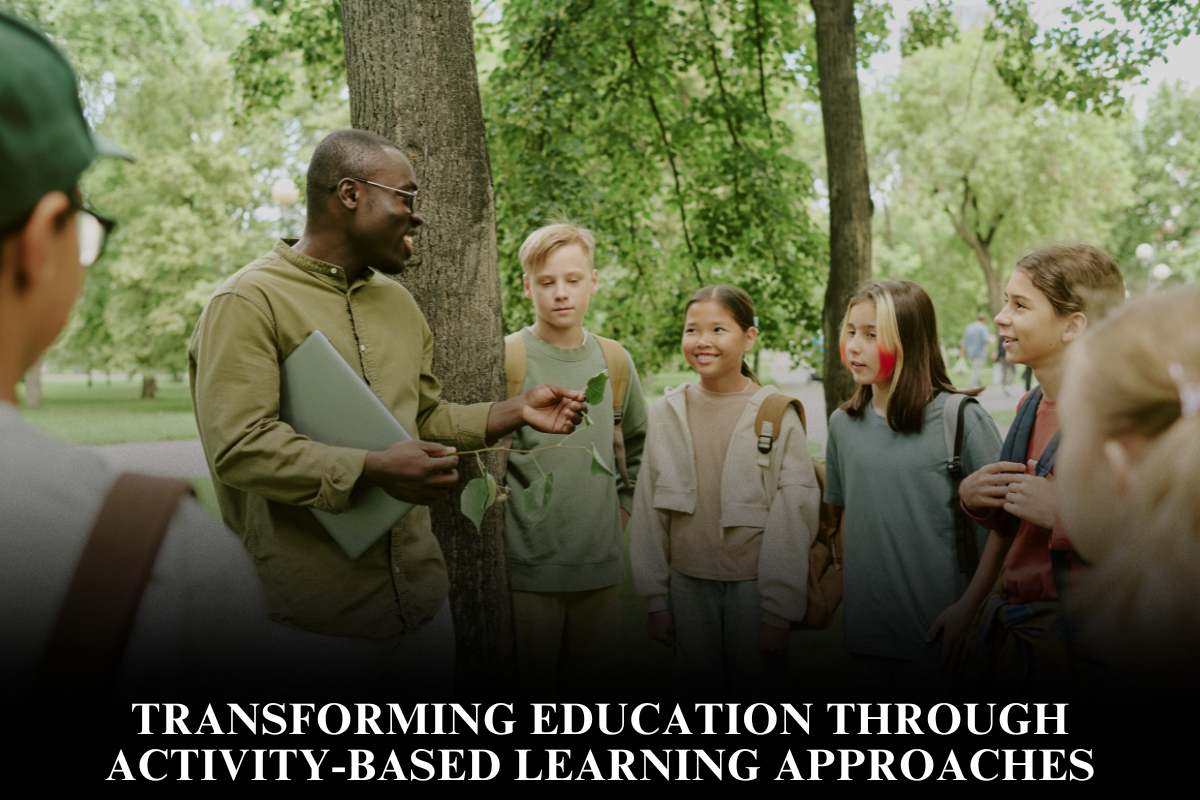
Magnifying glasses hunt backyard bugs, comparing legs and wings; ant trails reveal pheromones. Sink-or-float tubs with rocks, leaves, and toys sort by buoyancy. Wind socks from bags track breezes, linking to weather patterns.
Start small, praise questions over answers—curiosity thrives on freedom.
FAQ
Best age to start?
Toddlers with sensory play; school-age for hypothesis testing.
Safe household items?
Vinegar, soda, food dye, dish soap—avoid heat/choking hazards.
Why track results?
Builds patterns recognition and scientific method basics.
Mess management?
Newspapers, trays; frame as “learning evidence.”
Extend learning?
Follow-up questions: “What if we change X?”