Kitchen experiments reveal chemistry principles using pantry staples, demonstrating reactions like acids and bases, density, and states of matter without lab gear. Baking soda ...
Physics governs countless everyday phenomena, from the alarm clock’s wake-up call to rainbows arching across the sky, revealing the universe’s elegant principles through simple ...
Scientific thinking is a powerful tool to challenge and reduce superstitions and myths. By encouraging evidence-based reasoning, critical analysis, and a questioning attitude, scientific ...
Scientific temper refers to a mindset characterized by logical reasoning, skepticism, and evidence-based decision-making. It encourages people to question assumptions, test hypotheses, and analyze ...
These experiments use household items to demonstrate key concepts like chemical reactions, density, and physics, sparking curiosity and hands-on learning in classrooms or homes. ...
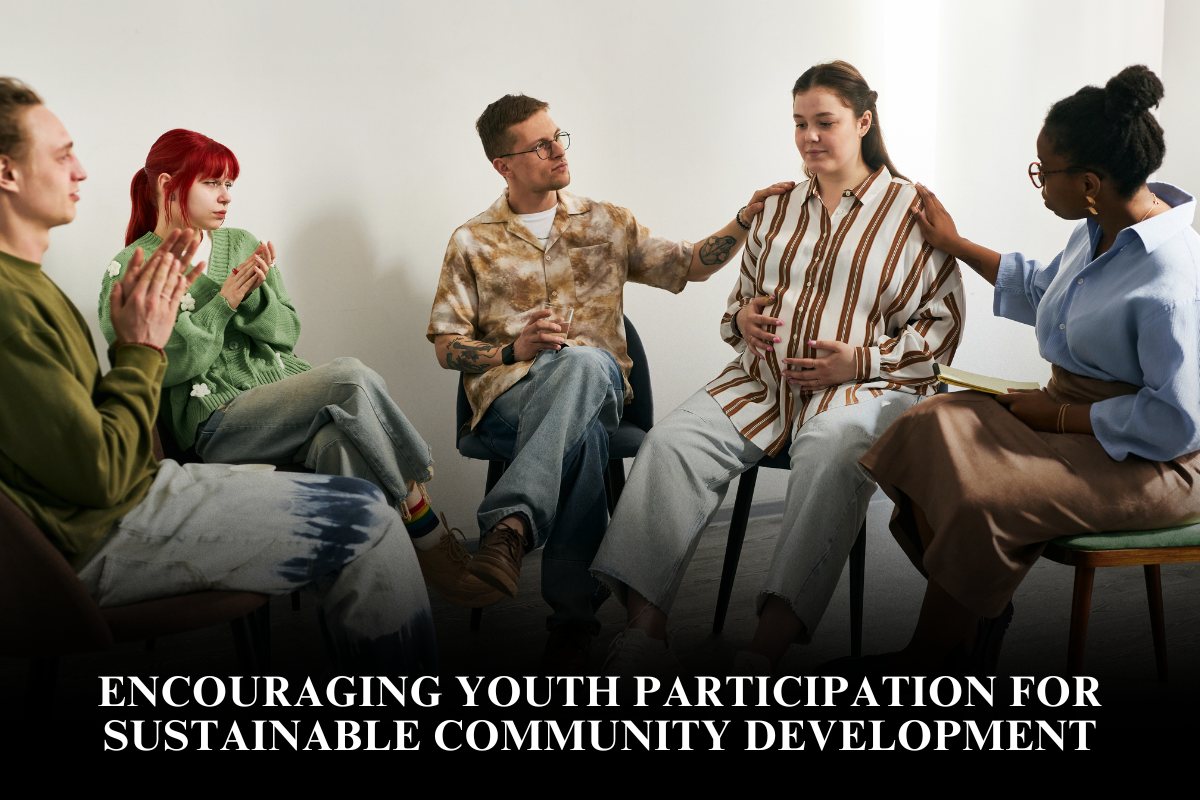
Youth participation is a vital driver of sustainable community development, empowering young people to become leaders, innovators, and active agents of change. Engaging youth ...
Fun and easy science experiments for students are a great way to spark curiosity, engage young minds, and build foundational scientific skills through hands-on ...
Community science centres play a crucial role in promoting scientific literacy by providing hands-on science learning experiences that make science accessible, engaging, and relevant ...
Developing scientific temper in rural communities is crucial for fostering rational, evidence-based thinking and reducing dependence on superstition and unverified beliefs. Scientific temper, a ...
Hands-on science education, also referred to as experiential or practical science learning, has a profound impact on young learners by transforming abstract scientific concepts ...