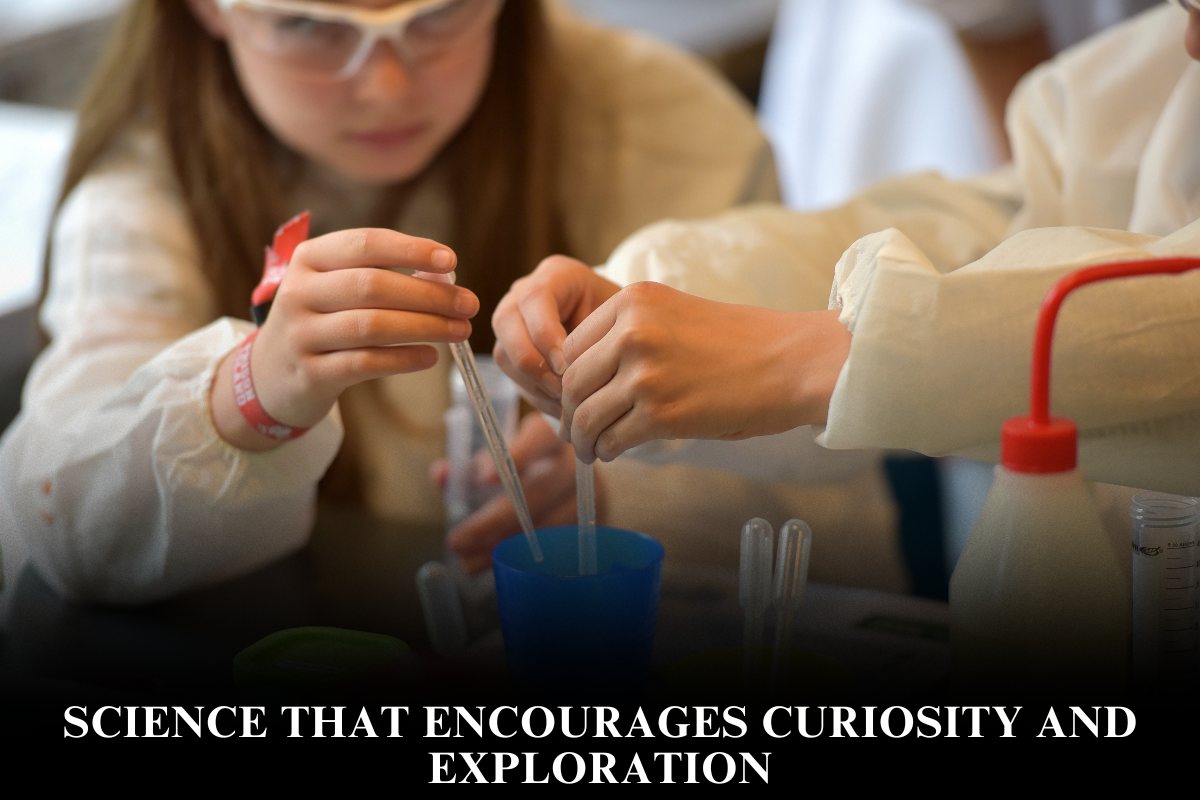
Community science centres play a crucial role in promoting scientific literacy by providing hands-on science learning experiences that make science accessible, engaging, and relevant to diverse audiences. They foster scientific temper, motivate learners of all ages, and positively influence attitudes and behaviors towards science and technology through interactive exhibits, project-based learning, and community engagement activities.
Key Roles of Community Science Centres
- Enhancing Science Learning and Motivation: Science centres strengthen science learning by presenting scientific concepts through direct interaction and active participation, which increases interest and motivation to learn science among children, students, and the general public.
- Promoting Scientific Temper and Literacy: These centres focus on developing scientific temper and literacy by encouraging analytical thinking and problem-solving through experiments, workshops, and science communication initiatives tailored to various community groups.
- Supporting Formal and Informal Education: Community science centres supplement formal education by providing experiential learning opportunities, supporting teachers, and offering educational resources that help learners think critically about science.
- Broadening Participation and Civic Engagement: By encouraging community participation in citizen science and community-driven research projects, they democratize science and empower communities to engage in scientific and civic issues.
- Influencing Career Choices and Attitudes: Visits to science centres have been linked to long-lasting positive impacts on attitudes toward science, confidence in scientific skills, and increased consideration of STEM careers among young people.
- Serving as Agents of Social Change: Beyond education, science centres contribute to social and economic development, reaching diverse audiences including underprivileged and rural populations, thereby acting as catalysts for development and social transformation.
In summary, community science centres are vital institutions that promote scientific literacy by making science tangible, fostering curiosity, and broadening access to science education and civic participation. Their interactive, inclusive, and community-focused approaches help build sustained interest in science and strengthen public understanding critically needed in contemporary society.
FAQs
Q1. How do community science centres make science more interesting for students?
They use hands‑on experiments, models, simulations, and live demonstrations that allow students to manipulate materials and see immediate results, turning passive textbook content into active exploration.
Q2. Do visits to science centres actually improve academic performance?
Research shows that visits enhance conceptual understanding, recall of scientific ideas, and positive attitudes towards science, which in turn support improved classroom learning and achievement in STEM subjects.
Q3. How are activities adapted for different age groups?
Centres design age‑appropriate exhibits and sessions—from simple sensory and exploratory displays for young children to more complex problem‑solving, data collection, and project work for older students and adults.
Q4. How often should schools collaborate with science centres to see impact?
Repeated and structured engagement—such as yearly visits combined with follow‑up projects or teacher‑linked modules—has a stronger and more lasting impact than one‑off visits, especially when aligned with curriculum topics.