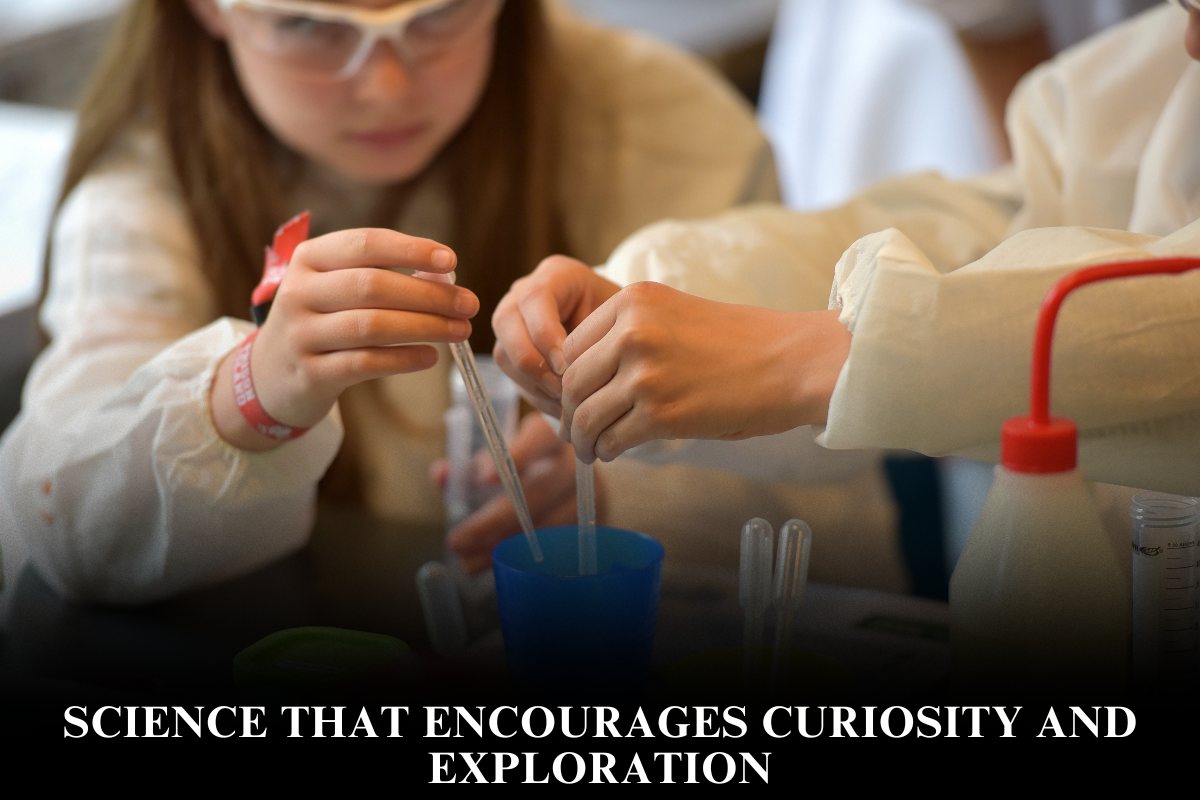
These experiments use household items to demonstrate key concepts like chemical reactions, density, and physics, sparking curiosity and hands-on learning in classrooms or homes. Quick setups (under 10 minutes) yield wow-factor results, teaching the scientific method through prediction, observation, and explanation without labs. Ideal for all ages, they boost retention by 75% via active engagement.
Chemistry Reactions and Explosions
Baking Soda Volcano: Mold clay around a bottle, add dish soap, food coloring, 2 tbsp baking soda; pour in vinegar for a fizzy eruption showing acid-base reactions producing CO2 gas. Elephant Toothpaste: Mix yeast with warm water, pour into hydrogen peroxide (3-6%) in a bottle with dish soap and color; foam overflows dramatically via catalyzed decomposition. Magic Milk: Drop food colors in milk dish, touch with soapy swab—colors swirl as soap breaks surface tension.
Density and Buoyancy Demos
Rainbow in a Glass: Layer sugar-water solutions (1-4 tbsp sugar per cup, colored differently) slowly; denser bottoms stay separate, illustrating density gradients. Dancing Raisins/Popcorn: Drop raisins into soda—bubbles attach, lifting then sinking them to show buoyancy and gas adhesion. Hot/Cold Water Density: Color hot/cold water differently, pour gently; cold sinks, hot rises due to thermal expansion.
Physics and Everyday Magic
Invisible Ink: Write with lemon juice, heat paper—oxidation browns it visible. Capillary Action Walk: Link glasses of colored water with paper towels; colors climb and mix via absorption. Balloon Rocket: Tape inflated balloon to straw on string; release for propulsion via Newton’s third law. Egg in Bottle: Light paper in wide-mouth jar, quickly place hard-boiled egg on top—air pressure sucks it in.
Biology and Earth Science Fun
Apple Oxidation: Slice apples, soak in water/lemon juice/vinegar; observe browning rates from enzyme reactions. Rainbow Celery: Place celery stalks in dyed water—colors travel up veins showing plant capillary action. Make It Rain: Shaving cream “cloud” on water, drip colored water atop—overflow mimics precipitation. DIY Barometer: Straw in bottle with colored water; air pressure changes level for weather prediction.
Safety and Extensions
Supervise flames/chemicals; use gloves/eye protection; scale for groups with predictions and journals. Extend with variables like soap types or temperatures.
FAQ
Safest for young kids?
Dancing raisins or sink/float with household objects—no hazards.
What teaches chemical reactions?
Volcano or elephant toothpaste for gas production visuals.
Best density demo?
Rainbow glass layers—stunning and mess-free.
Physics rocket alternative?
Straw balloon races for Newton’s laws without strings.
Biology extension?
Celery colors link to human circulation discussions.