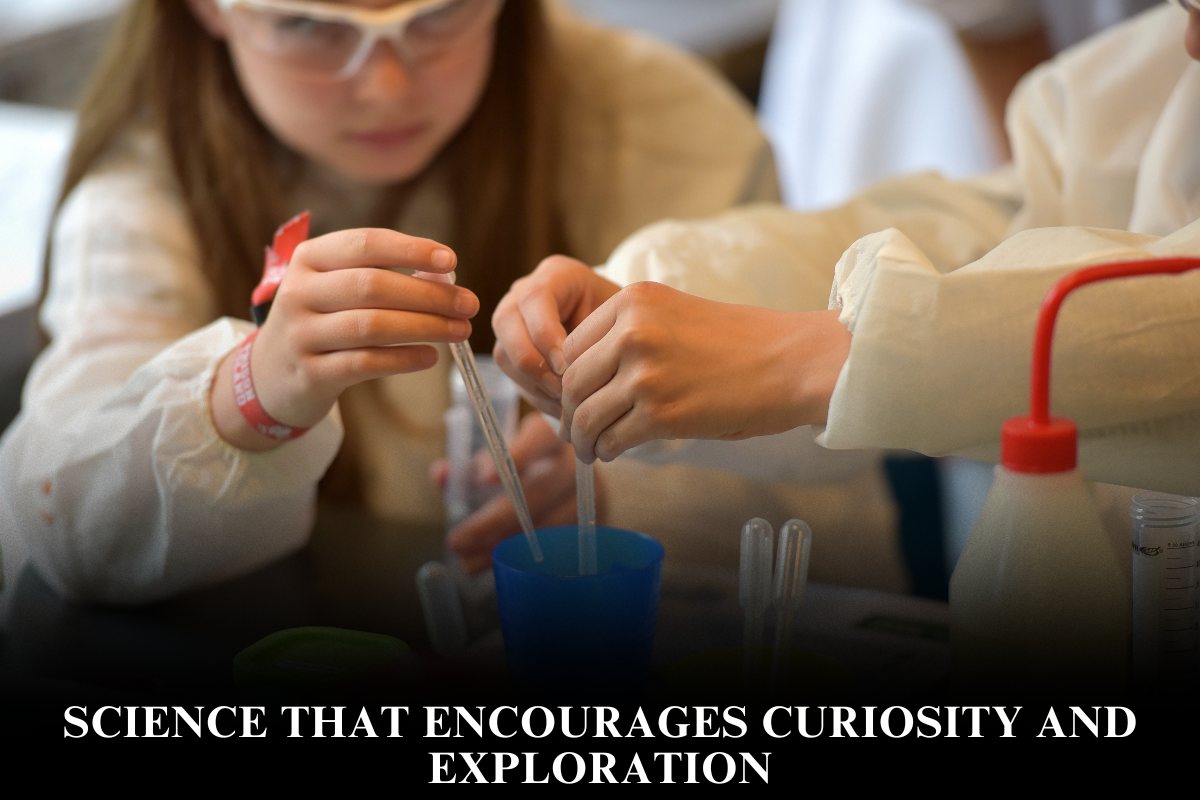
Fun and easy science experiments for students are a great way to spark curiosity, engage young minds, and build foundational scientific skills through hands-on learning that is both educational and entertaining.
Fun and Easy Science Experiments for Students
1. Baking Soda and Vinegar Volcano
- Concept: Chemical reactions and gas production.
- Activity: Mix baking soda and vinegar in a small container to create an erupting “volcano” with fizzing bubbles.
- Learning Outcome: Understanding acid-base reactions and gas release.
2. Rainbow in a Glass
- Concept: Density and layering liquids.
- Activity: Carefully layer honey, dish soap, water (colored with food dye), vegetable oil, and rubbing alcohol in a clear glass. Watch the layers stack based on density.
- Learning Outcome: Exploring liquid density and why some liquids float on others.
3. Invisible Ink
- Concept: Chemical reactions and oxidation.
- Activity: Write a secret message using lemon juice on paper, then reveal it by gently heating the paper.
- Learning Outcome: How heat causes oxidation to make the invisible message visible.
4. Growing Crystals
- Concept: Saturation and crystallization.
- Activity: Dissolve salt or sugar in hot water until saturated; allow solution to cool and crystals form on a stick or string.
- Learning Outcome: Understanding solution saturation and crystal formation.
5. Static Electricity Butterfly
- Concept: Static electricity and attraction.
- Activity: Rub a balloon on hair and bring it near a paper butterfly with wings curved upward to see the wings flutter.
- Learning Outcome: Observing how static electricity causes attraction.
Tips for Successful Experiments
- Always supervise young students during activities, especially those involving heat or chemicals.
- Use clear instructions and encourage students to make predictions and observations.
- Relate experiments to real-life science concepts and encourage questions.
Frequently Asked Questions (FAQ)
Q: Can science experiments be done with household items?
A: Yes, many experiments use everyday materials making science accessible and cost-effective.
Q: How do these experiments benefit students?
A: They foster critical thinking, curiosity, and hands-on understanding of scientific principles.
Q: What age groups are these experiments suitable for?
A: Most can be adapted for elementary to middle school students with age-appropriate explanations.
Q: How to make science experiments safer for kids?
A: Use non-toxic materials, provide adult supervision, and use protective gear like gloves and goggles when needed.
Q: Can these experiments be conducted online or virtually?
A: Yes, many can be demonstrated via video or guided in virtual classroom settings to engage remote learners.