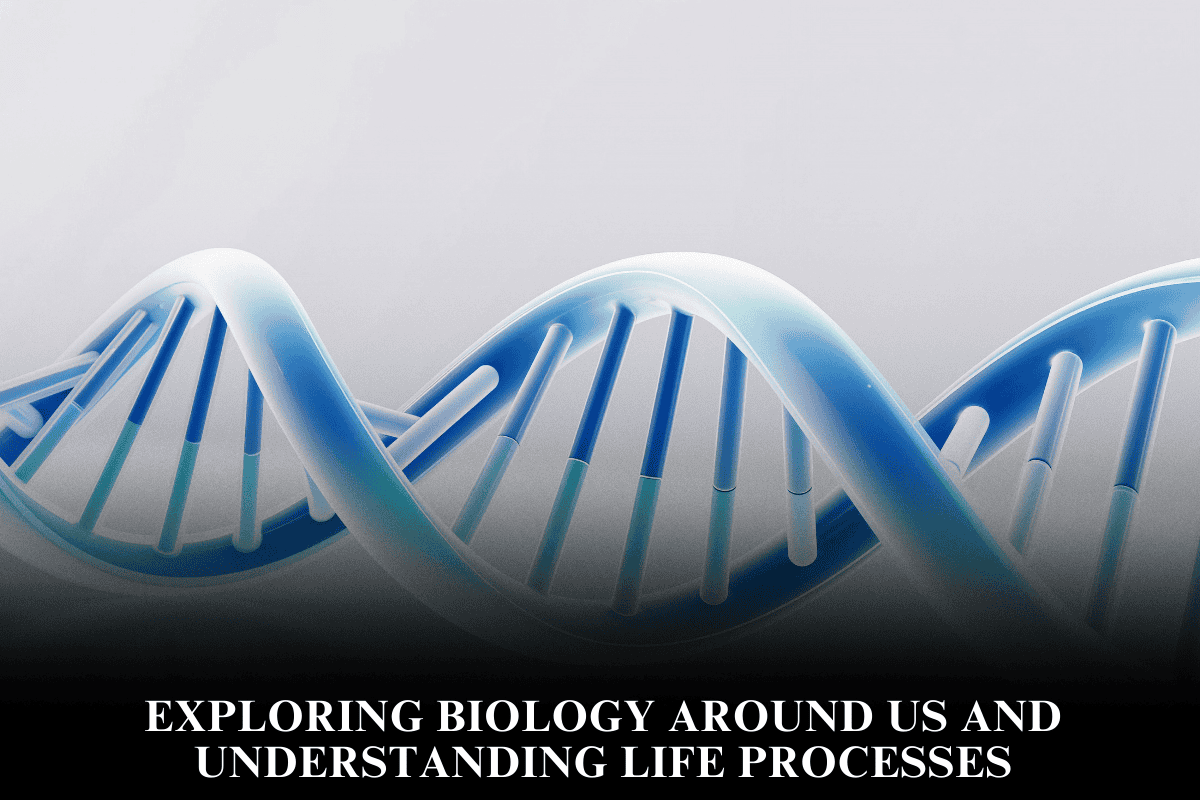
Biology surrounds us in every breath, bite, and beat, revealing life’s intricate processes through observable wonders like plant growth or heartbeat rhythms. Key life processes—nutrition, respiration, transportation, excretion, reproduction, and sensitivity (MRS GREN)—sustain organisms, from single cells to ecosystems, turning daily phenomena into teachable moments.
Nutrition: Fueling Life Daily
Plants harness sunlight via photosynthesis, converting CO2 and water into glucose and oxygen in chloroplasts—evident in dewy morning leaves sparkling under dawn light. Animals digest food through enzymes breaking carbs, proteins, and fats; watch bread turn to sugar in saliva, powering muscles for a sprint.
Respiration: Energy Release Everywhere
Cells respire aerobically, splitting glucose with oxygen to yield ATP, water, and CO2—exhaled in every sigh. Plants respire too, via stomata at night; yeast ferments anaerobically in dough, bubbling bread rise. Foggy bathroom mirrors post-shower show water vapor from your lungs.
Transportation: Circulating Essentials
Human blood vessels ferry oxygen-rich red cells from lungs to tissues, returning waste via veins—feel your pulse at wrists. Plants use xylem for upward water pull (transpiration) and phloem for sugar distribution; cut celery in dyed water shows colored veins climbing stalks.
Excretion: Waste Removal Wonders
Kidneys filter blood, producing urine to expel urea; sweat glands cool via evaporation, carrying salts. Plants transpire excess water through leaves, store gums in bark—wilting houseplants signal thirst as roots reabsorb.
Reproduction and Growth: Life’s Continuity
Seeds sprout via germination, roots anchoring as shoots photosynthesize; flowers pollinate via bees, fruits seeding next cycles. Animals reproduce sexually or asexually; hydra bud clones, humans via gametes. Tadpoles metamorphose, lungs replacing gills.
Sensitivity and Response: Adapting to Change
Pupils dilate in dark, plants bend toward light (phototropism)—Venus flytraps snap on insects. Reflexes jerk hands from heat, hormones balance moods.
These processes interconnect, maintaining homeostasis amid change.
FAQ
Core life processes?
MRS GREN: Movement, Respiration, Sensitivity, Growth, Reproduction, Excretion, Nutrition.
Photosynthesis example?
Leaves turning sunlight to food, releasing oxygen.
Why respiration vital?
Releases energy from food for all activities.
Plant transport?
Xylem water up, phloem food down.
Excretion in plants?
Transpiration and waste storage in leaves/bark.