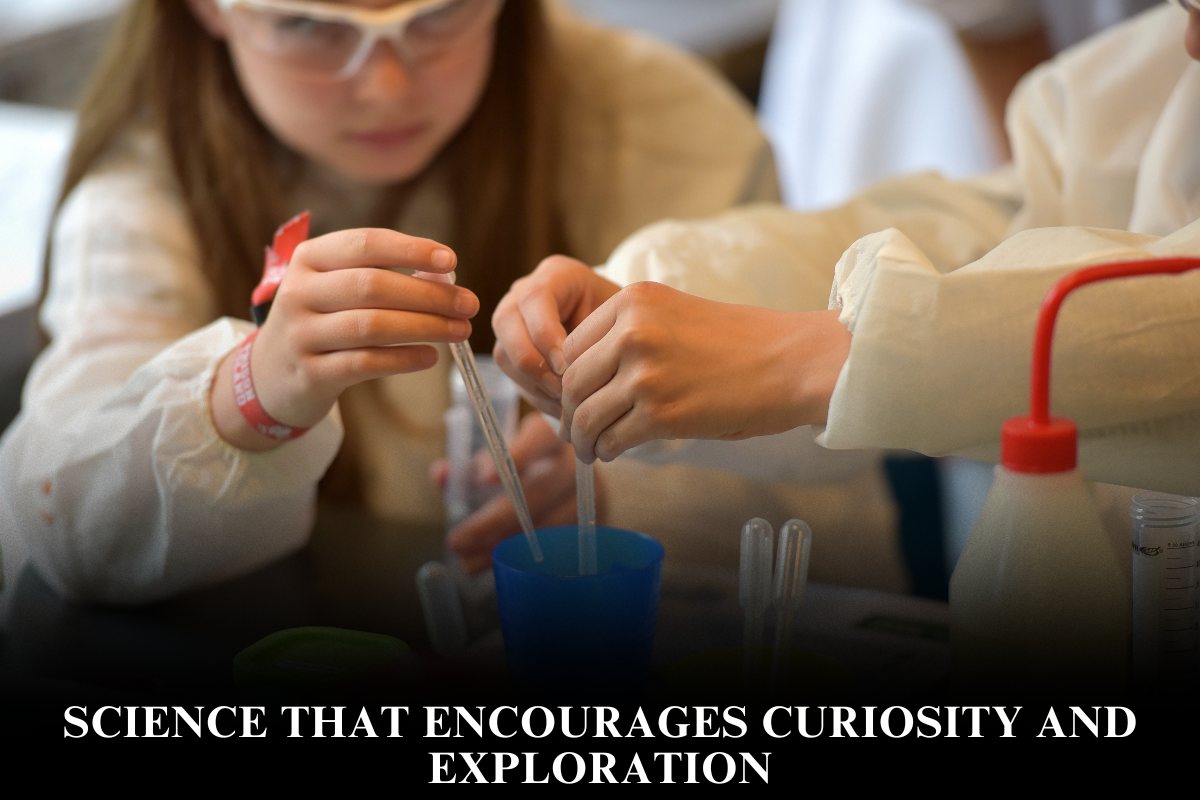
Science centres play a vital role in countering superstitions by providing experiential learning environments where myths and misconceptions can be tested and debunked through scientific experiments. These centres serve as hubs for public engagement with science, creating opportunities for critical thinking and evidence-based understanding that directly challenge unfounded beliefs.
Creating a Culture of Inquiry
Science centres foster curiosity and encourage visitors to question commonly held superstitions by presenting phenomena in controlled, observable ways. Instead of accepting myths at face value, individuals learn to investigate causes and effects, promoting a mindset grounded in skepticism and proof rather than tradition or hearsay. This cultural shift towards inquiry helps reduce reliance on superstition.
Experiential Demonstrations to Debunk Myths
Through interactive exhibits and live science demonstrations, science centres simulate conditions that test superstitious claims. For example, experiments may explain the physics behind natural events often attributed to supernatural forces, such as eclipses, lightning, or spontaneous occurrences in nature.
By providing empirical evidence, these hands-on experiences reveal the scientific explanations behind what might otherwise be misunderstood or feared.
Empowering Rational Decision-Making
When people witness experiments that disprove superstitions, they gain confidence in using observation and reasoning to understand the world. Science centres empower visitors with knowledge and skills to critically analyze everyday claims, reducing the influence of superstition on personal and community decisions—especially in areas like health, agriculture, and social practices.
Education and Outreach Programs
Science centres often organize workshops, lectures, and school visits focused on debunking myths and promoting scientific temper. These programs use targeted content to address local superstitions, equip participants with experiment-based evidence, and encourage spreading scientific awareness within their communities. This grassroots approach multiplies the impact of science literacy in dispelling misinformation.
Role Models and Scientific Role Identity
By showcasing scientists and educators explaining phenomena and running experiments, science centres humanize science and demonstrate that rational inquiry is accessible and practical. This helps counter societal tendencies to revere unscientific authorities and instead builds role models who represent reason and critical thinking.
Bridging Traditional Beliefs and Modern Science
Science centres acknowledge cultural contexts and respectfully engage with traditional beliefs while providing modern scientific insight. This balanced dialogue allows communities to reconcile heritage with evidence-based knowledge without confrontation, easing resistance to changing superstitious attitudes.
Long-Term Community Benefits
Sustained interaction with science through these centres builds a community-wide culture of skepticism and curiosity, reducing superstition’s grip over time.
People become equipped to challenge falsehoods, embrace progressive health and farming practices, and participate more fully in democratic and scientific discussions. This ultimately fosters a more enlightened and empowered society.
FAQs
How do science centres challenge superstitions?
By offering experiments and exhibits that allow people to observe natural phenomena directly and understand scientific explanations, dispelling myths through evidence.
Can hands-on experiments change deeply held beliefs?
Yes, experiential learning engages emotions and cognition, making scientific explanations more relatable and convincing than abstract information.
Do science centres address local superstitions specifically?
Many tailor programs to local contexts, focusing on superstitions prevalent in the community for greater relevance and impact.
How do science centres empower individuals?
By teaching critical thinking and observation skills, they enable people to question unfounded claims independently.