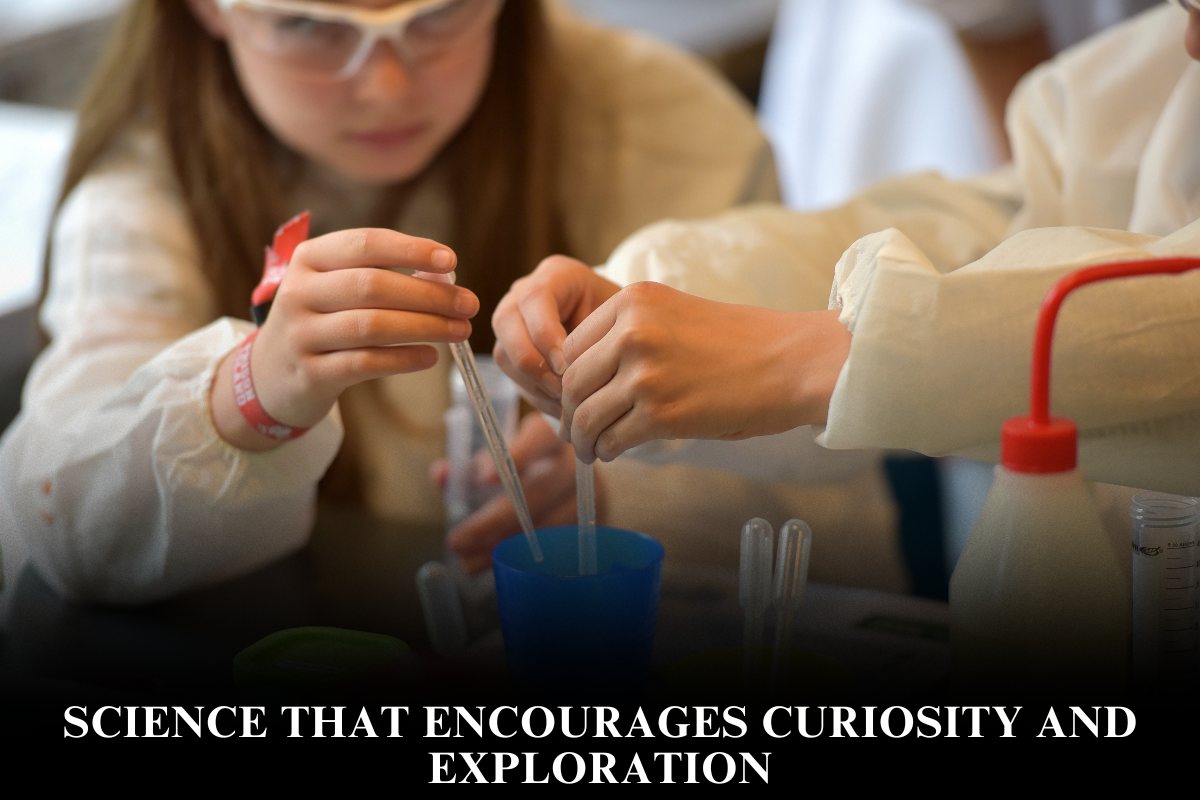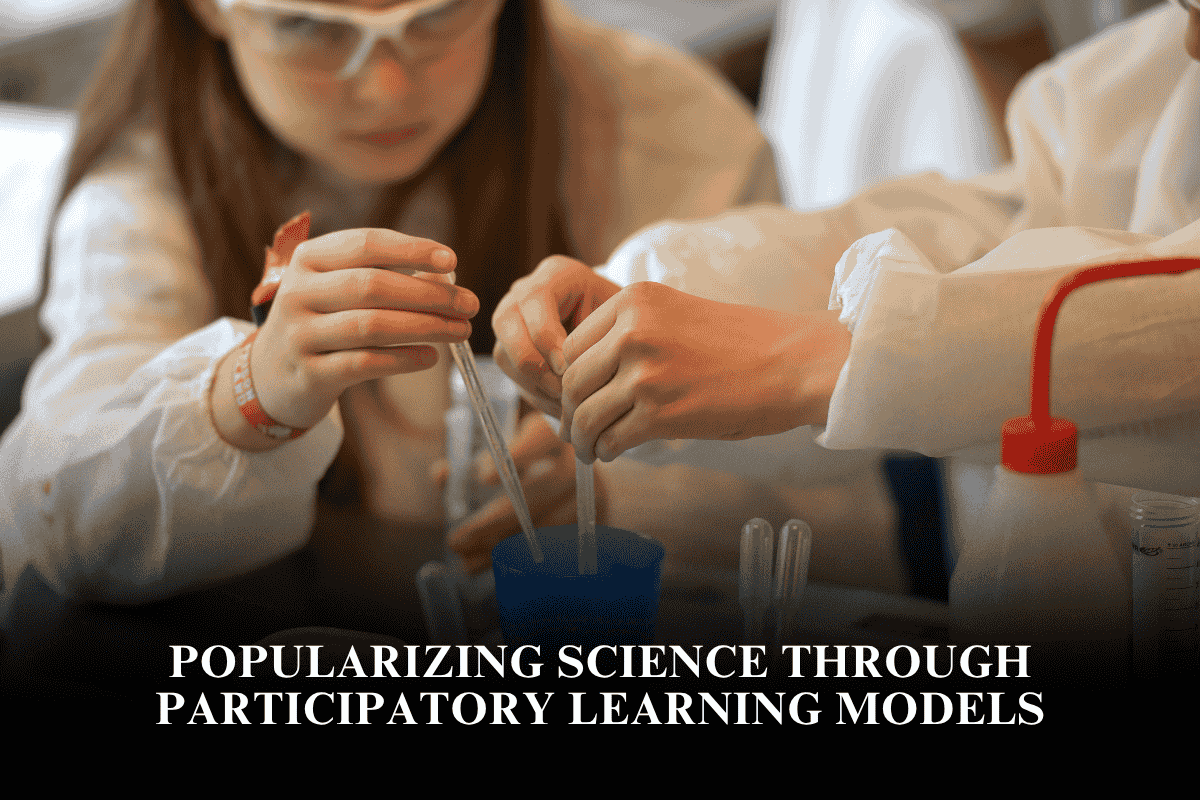
Popularizing science through participatory learning models involves actively engaging learners and community members in the process of scientific discovery and inquiry rather than passively receiving information.
This approach democratizes science education, making it accessible, relevant, and empowering by involving people directly in hands-on, collaborative, and reflective learning experiences.
Defining Participatory Learning Models
Participatory learning models emphasize collaborative and learner-centered approaches where knowledge is co-constructed through dialogue, experimentation, and problem-solving.
These models reject one-way transmission of facts and instead focus on collective exploration, allowing diverse perspectives and local knowledge to enrich the learning process.
Enhancing Engagement and Relevance
By involving learners directly in activities such as citizen science projects, community experiments, local data collection, and science workshops, participatory models connect scientific concepts to real-world issues.
This relevance boosts motivation and retention by showing how science impacts everyday life and community well-being. It also empowers learners to apply scientific methods to their contexts, enhancing the perceived value of science.
Building Scientific Temper and Critical Thinking
Participatory approaches nurture critical thinking, skepticism, and inquiry, core components of scientific temper. Learners formulate questions, design investigations, analyze results, and reflect on outcomes collaboratively. This immersive experience builds skills that foster lifelong curiosity and rational decision-making, essential for tackling societal challenges.
Inclusivity and Empowerment
These models often focus on marginalized or underserved communities, including rural populations, women, and youth, promoting inclusivity by valuing local experiences and knowledge.
Participatory learning breaks down barriers between experts and novices, making science approachable and culturally sensitive. This empowerment enhances confidence and encourages continued scientific engagement.
Use of Technology and Digital Platforms
Digital tools and platforms amplify participatory learning by connecting dispersed communities, enabling crowdsourced data gathering, virtual collaboration, and remote mentorship. Mobile apps and online forums facilitate interaction with scientific content, democratizing access and scaling up popularization efforts.
Role of Institutions and Educators
Schools, science centres, NGOs, and universities play pivotal roles by designing participatory curricula, hosting community science events, and training facilitators to guide inquiry processes. Educators act as co-learners and mentors, fostering a supportive environment conducive to exploration and open dialogue.
Long-Term Impact on Society
Participatory learning models contribute to cultivating a scientifically literate population capable of informed decision-making and innovation. They strengthen community resilience by applying localized scientific knowledge to health, environment, and agriculture challenges, fostering sustainable development and democratic participation in science policy.
FAQs
What are participatory learning models in science?
They are collaborative, learner-centered approaches where knowledge is built through joint exploration, dialogue, and activities rather than passive reception.
How do participatory models improve science popularization?
By making learning relevant, interactive, and empowering, they increase engagement and help people understand science’s practical impact.
Who benefits most from these models?
Marginalized communities, rural populations, women, and youth who often lack access to conventional science education.
How do participatory models build scientific temper?
They develop inquiry skills, critical thinking, and skepticism through hands-on investigations and reflective discussions.