Science communication in multi-level education systems refers to the strategic and effective dissemination of scientific knowledge tailored to different educational stages, from primary schooling through higher education and continuing adult education.
It aims to bridge gaps in understanding complex scientific concepts by adapting messages and methods to the cognitive abilities, interests, and contexts of diverse learner groups.
Importance in Multi-Level Education
Effective science communication is crucial for building a coherent, continuous learning experience across levels. It ensures students not only acquire factual knowledge but also develop critical thinking, scientific temper, and enthusiasm for lifelong learning.
Communication adapted to educational stages fosters appropriate skill development, enabling students to progressively engage with science more deeply and meaningfully.
Tailoring Communication Strategies
Different levels of education require distinct communication methods:
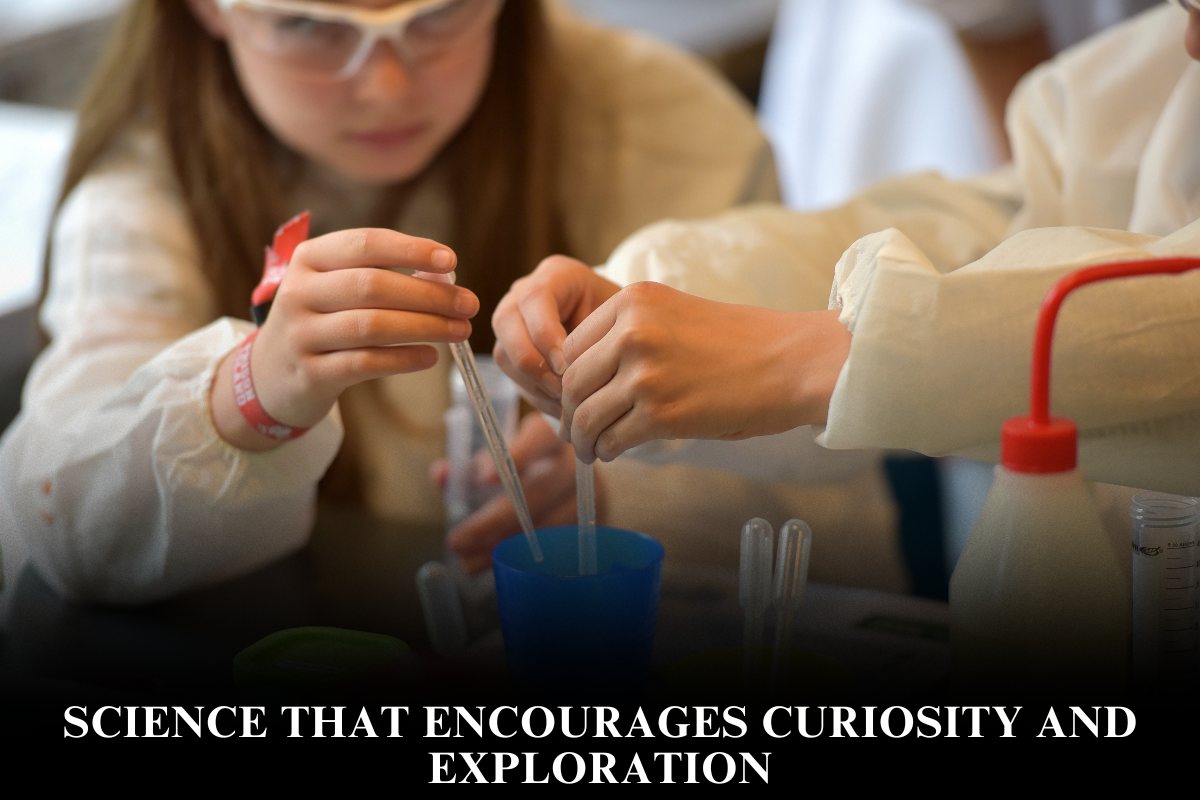
- Primary Education: Uses simple language, storytelling, visual aids, and interactive demonstrations to spark curiosity and foundational science concepts.
- Secondary Education: Focuses on inquiry-based learning, hands-on experiments, integrating multimedia resources, and encouraging analytical skills.
- Higher Education: Emphasizes detailed explanations, research-based teaching, debates, advanced experiments, and use of scientific literature.
- Adult and Community Education: Employs relatable examples, practical implications, workshops, and real-world problem discussions to connect science with daily life and decision-making.
Role of Educators and Science Communicators
Educators must be skilled communicators who not only deliver content but also inspire inquiry and critical thinking. Science communicators in museums, media, and outreach programs supplement formal education by providing accessible, engaging content that reinforces classroom learning at various stages.
Use of Technology and Digital Media
Digital tools enable tailored, multi-level science communication by offering diverse formats (videos, simulations, podcasts) suitable for different literacy levels and learning preferences. Online platforms facilitate self-paced learning and bridge geographical and socioeconomic divides, enhancing inclusivity.
Challenges and Solutions
Challenges include differing student backgrounds, language barriers, varying teacher preparedness, and resource constraints. Solutions involve teacher training programs, curriculum design incorporating communication skills, localized content creation, and community involvement to contextualize science communication effectively.
Impact on Scientific Literacy and Empowerment
Well-executed science communication in multi-level systems improves scientific literacy broadly, enabling informed personal choices and civic participation. It promotes equity in education, as tailored communication addresses diverse needs and reduces educational disparities.
FAQs
What is science communication in education?
It is the process of conveying scientific knowledge in clear, engaging ways appropriate to different learner groups and contexts.
Why is tailoring communication important across education levels?
Cognitive abilities, interests, and learning needs vary with age and educational stage, requiring different approaches for effective understanding.
How do methods differ for primary and higher education?
Primary education uses simple, interactive tools; higher education emphasizes research, detailed discussion, and complex experiments.
What role do teachers play in science communication?
They translate scientific content into understandable lessons, inspire curiosity, and guide inquiry processes.