Education today is undergoing a profound transformation. Traditional rote-based systems that emphasized memorization and examination are giving way to innovative models centered on the full development of an individual—intellectually, emotionally, socially, and morally.
Holistic student development focuses not just on grades but on nurturing well-rounded human beings who are capable of critical thinking, creativity, empathy, and lifelong learning.
Understanding Holistic Student Development
Holistic education views learning as an interconnected process that integrates mind, body, and spirit. It seeks to cultivate not only academic excellence but also life skills, moral reasoning, emotional intelligence, and civic responsibility. This philosophy acknowledges that students are more than test-takers; they are thinkers, creators, and future leaders whose success depends on a balance of cognitive and personal growth.
Under this approach, educational models prioritize experiential learning, collaboration, creativity, and social engagement. They challenge the narrow focus on examinations and instead encourage the cultivation of curiosity, compassion, and self-awareness.
Project-Based and Experiential Learning
One of the most effective innovative education models today is project-based learning (PBL). In this model, students gain knowledge by exploring real-world problems. Instead of passively absorbing information, they actively investigate challenges, design solutions, and collaborate as teams.
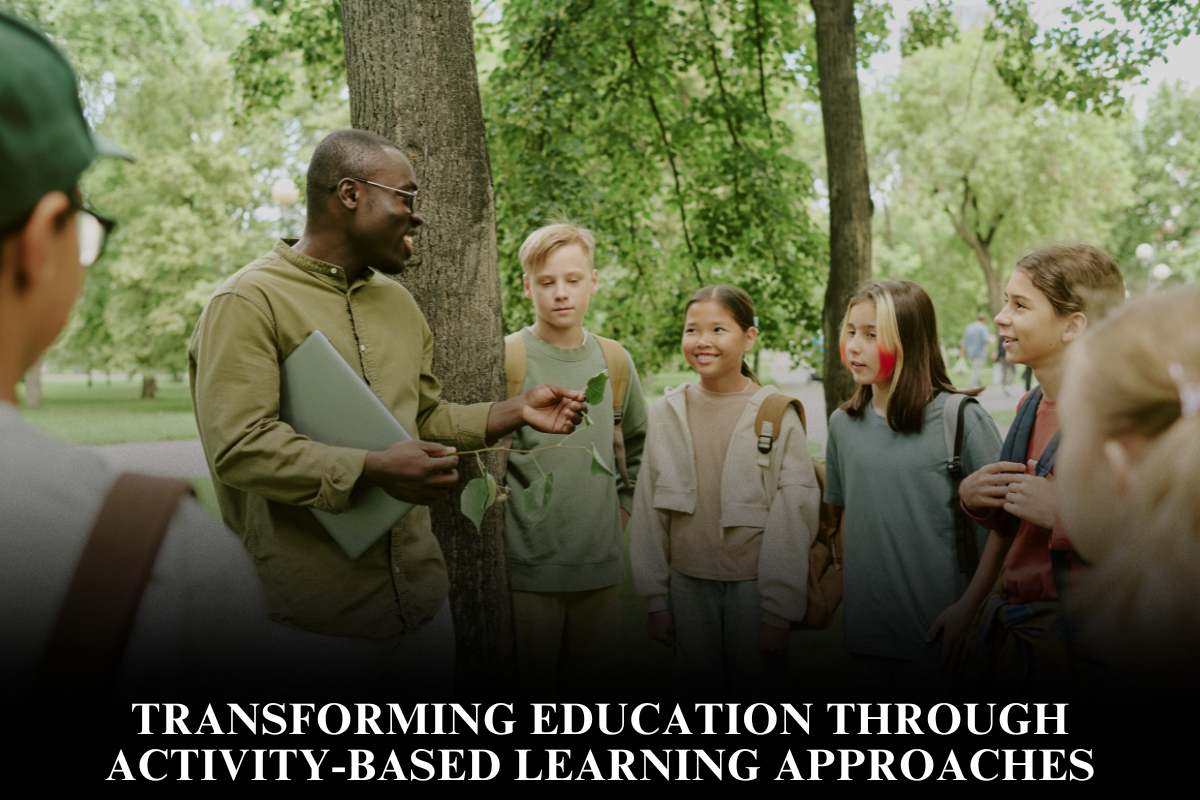
For example, rather than studying environmental science from textbooks, students may assess pollution levels in their neighborhoods, create awareness campaigns, or develop eco-friendly prototypes. Such projects foster interdisciplinary thinking and practical problem-solving skills.
Experiential learning—learning by doing—enhances retention and engagement. It bridges the gap between theory and practice, preparing students for dynamic work environments where adaptability and innovation are essential.
Integrating Technology and Digital Literacy
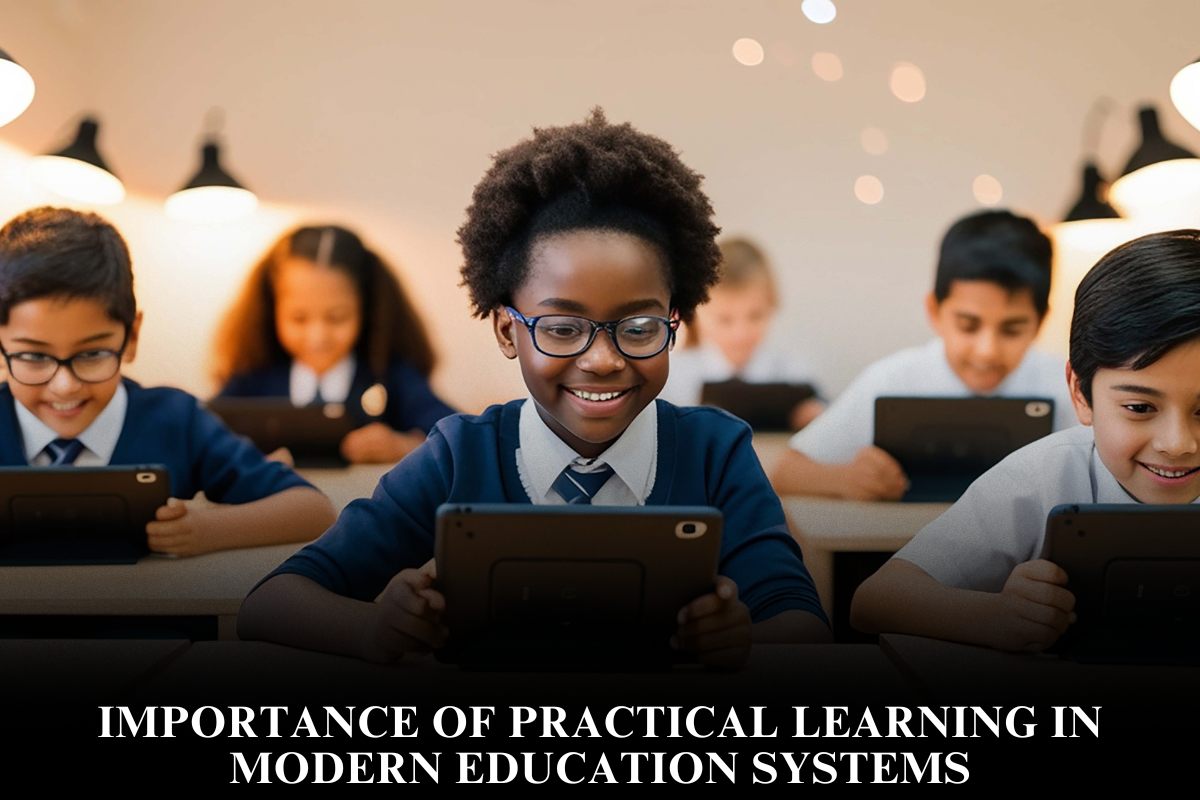
Digital transformation is reshaping every aspect of education. Smart classrooms, online simulations, and adaptive learning platforms enable personalized, data-driven instruction. Students can learn at their own pace while teachers access analytics to track progress and adjust lessons accordingly.
Innovative tools such as augmented reality (AR), virtual labs, and gamified learning platforms make abstract concepts tangible and engaging. Meanwhile, integrating digital literacy into the curriculum ensures students understand information ethics, online safety, and digital citizenship.
The key lies in balance—technology should enhance creativity and critical thinking, not replace human mentorship and emotional connection.
Social-Emotional Learning (SEL)
Beyond academics, emotional and social skills play a vital role in personal success. Social-Emotional Learning (SEL) models aim to teach students self-awareness, empathy, resilience, and responsible decision-making. These competencies help students navigate life’s complexities, build healthy relationships, and manage stress.
Schools adopting SEL programs often report lower bullying rates, improved classroom behavior, and higher academic performance. By integrating SEL into everyday lessons, educators create supportive environments where emotional development is valued as much as intellectual growth.
Interdisciplinary and STEAM Education
Modern challenges rarely fit neatly into academic silos. Interdisciplinary models—particularly STEAM (Science, Technology, Engineering, Arts, and Mathematics)—foster critical thinking and creativity through cross-domain integration.
A STEAM project might blend physics with music or art to explore sound waves, or merge coding and design to create interactive exhibits. This flexible approach mirrors how knowledge operates in the real world, encouraging innovation and deeper understanding.
The inclusion of arts in STEM transforms rigid technical curricula into balanced experiences that stimulate emotional intelligence alongside analytical thinking.
Montessori and Waldorf Approaches: Nurturing the Whole Child
Alternative education systems such as Montessori and Waldorf schools emphasize humanistic learning approaches that focus on individual growth rather than competition.
- Montessori education encourages self-directed learning, hands-on exploration, and mixed-age classrooms. It respects each child’s pace, building intrinsic motivation and concentration.
- Waldorf education, developed by Rudolf Steiner, integrates academics with arts, imagination, and ethical learning, nurturing creativity and spiritual awareness.
Both systems demonstrate that holistic development thrives in environments that value curiosity, autonomy, and emotional connection.
Character and Value Education
In an age of globalization and social change, education must anchor itself in ethical values. Character education programs teach integrity, empathy, service, and respect for diversity. Service-learning projects, where students engage in community service connected to academic study, create a sense of civic responsibility and moral growth.
When students experience the impact of compassion and teamwork firsthand, they develop a sense of purpose that extends beyond personal achievement. Such education builds strong moral foundations for socially responsible citizens.
The Teacher’s Role in Holistic Development
Innovative education models redefine the teacher’s role. Educators become mentors and facilitators rather than mere transmitters of knowledge. They guide students in inquiry, reflection, and creative exploration.
Effective professional development and continuous training equip teachers with modern pedagogical tools, technological literacy, and emotional intelligence. Teachers who build strong relationships and model curiosity inspire students to seek deeper meaning in their learning journey.
Challenges and the Way Forward
Although promising, implementing holistic education models faces barriers. Standardized testing, limited resources, and rigid curricula often restrict innovation. Teacher shortages, especially in rural or underfunded areas, further complicate progress.
To overcome these obstacles, policymakers and schools must support educational reforms that promote flexibility, teacher autonomy, and investment in creative methodologies. Partnerships between schools, parents, and communities can also provide diverse opportunities for students’ multidimensional growth.
Innovative education models for holistic student development are reshaping the future of learning. By integrating academic, emotional, social, and ethical dimensions, they prepare students not just for exams, but for life itself.
A holistic approach builds resilient, empathetic, and innovative individuals capable of navigating complex global challenges. Education, at its best, must nurture the entire human being—head, heart, and hands.
Frequently Asked Questions (FAQs)
1. What does holistic development mean in the context of education?
Holistic development refers to nurturing all aspects of a student’s growth—intellectual, emotional, physical, social, and moral. It aims to create well-rounded individuals who balance academic success with creativity, empathy, and life skills.
2. How does project-based learning support holistic education?
Project-based learning connects classroom theories to real-world challenges. It develops critical thinking, collaboration, and problem-solving skills, helping students apply learning meaningfully while fostering curiosity and teamwork.
3. Why is Social-Emotional Learning (SEL) important in schools?
SEL equips students with emotional intelligence, empathy, and resilience. These skills enhance relationships, improve academic focus, and prepare learners to handle personal and professional pressures effectively.
4. How do technology and innovation enhance student learning?
Technology facilitates personalized learning through adaptive software, virtual laboratories, and digital collaboration tools. It helps students visualize complex concepts, explore global resources, and develop essential 21st-century digital skills.
5. What role do teachers play in holistic education models?
Teachers act as facilitators who guide inquiry, emotional growth, and creative exploration. Their mentorship, empathy, and understanding inspire confidence, nurturing not only intellect but also character and passion in learners.