STEM education empowers rural and underprivileged students by bridging resource gaps, fostering skills for high-demand careers, and breaking poverty cycles, yet 6.5 million rural ...
In today’s rapidly evolving education landscape, learning beyond textbooks through experiential education has become crucial. Experiential education centers on acquiring knowledge through direct experience, ...
Inclusive education ensures that all students, regardless of their background, ability, or needs, have equitable access to quality learning opportunities. It not only benefits ...
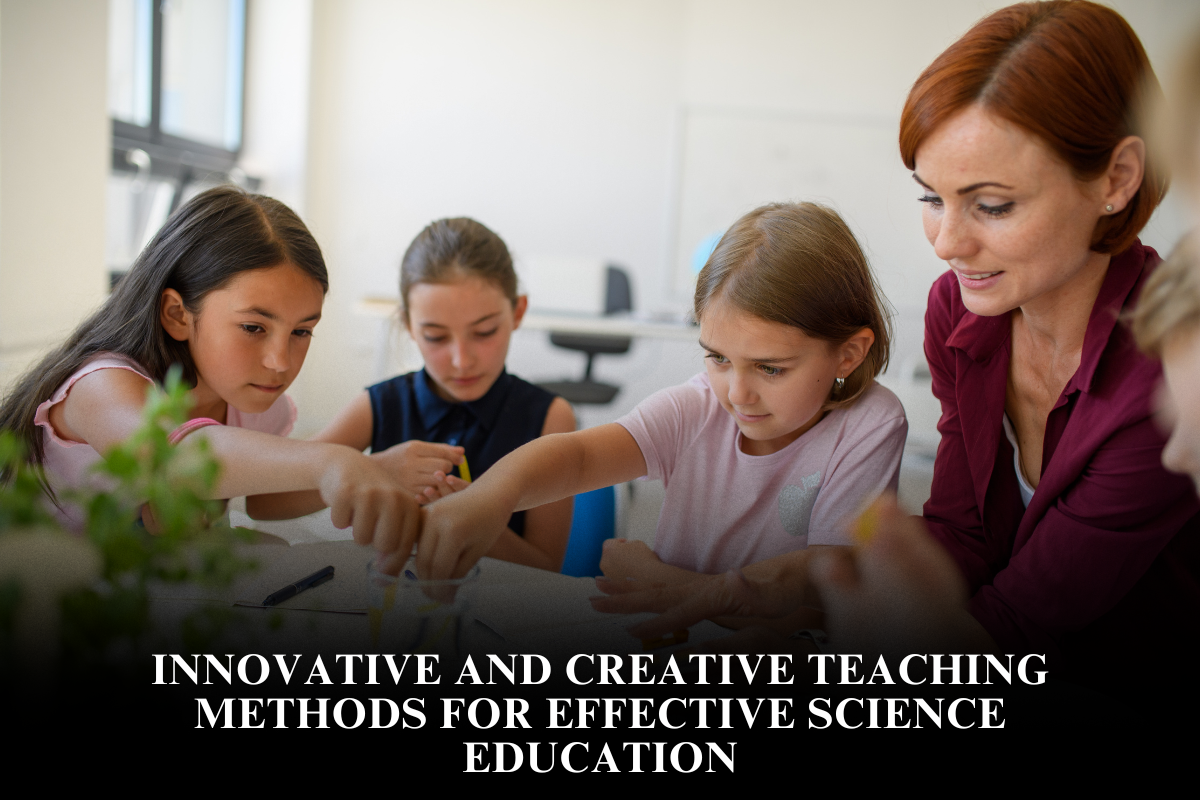
Innovative teaching methods transform science education by shifting from rote memorization to hands-on exploration, boosting retention by 75% and engagement through interactivity. Techniques like ...
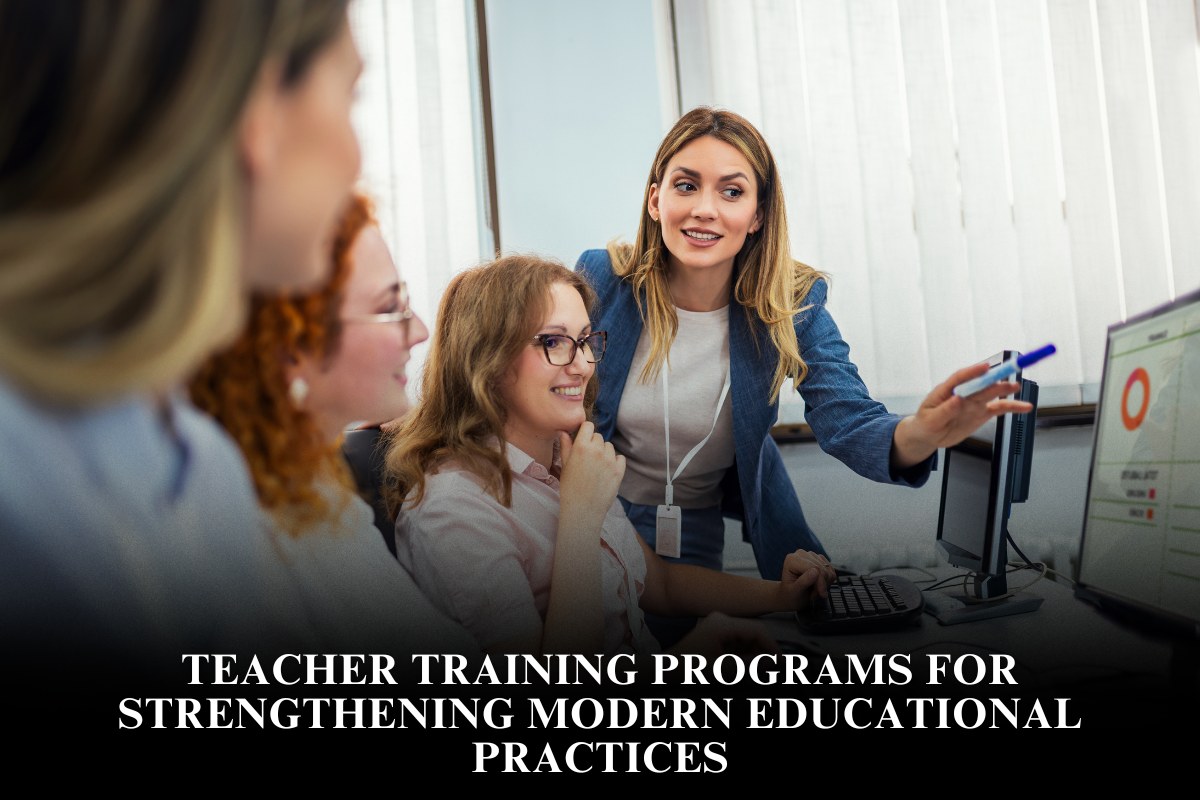
Teacher training programs equip educators with innovative tools, digital skills, and student-centered methods to enhance classroom effectiveness and adapt to 21st-century demands. These programs ...
Science kits have become invaluable tools for improving classroom learning by transforming abstract concepts into engaging, hands-on experiences. These kits offer students opportunities to ...
Hands-on learning is rapidly emerging as the future of education because it actively engages students in real-world experiences that deepen understanding, enhance skills, and ...
Activity-based learning (ABL) is an educational approach that emphasizes learning through doing, engaging students in hands-on, interactive activities rather than passive listening. It promotes ...
Bridging the gap between curriculum and practical learning is essential for making education holistic, meaningful, and applicable to real-life situations. Traditional curricula often emphasize ...
Training teachers is a cornerstone for strengthening science education by equipping educators with the knowledge, skills, and confidence to effectively teach scientific concepts and ...