Innovative teaching methods transform science education by shifting from rote memorization to hands-on exploration, boosting retention by 75% and engagement through interactivity.
Techniques like virtual labs, gamification, and project-based learning make abstract concepts tangible, fostering critical thinking and real-world application in diverse classrooms. These approaches accommodate varied learning styles, enhancing outcomes for all students via technology and collaboration.
Hands-On and Experiential Learning
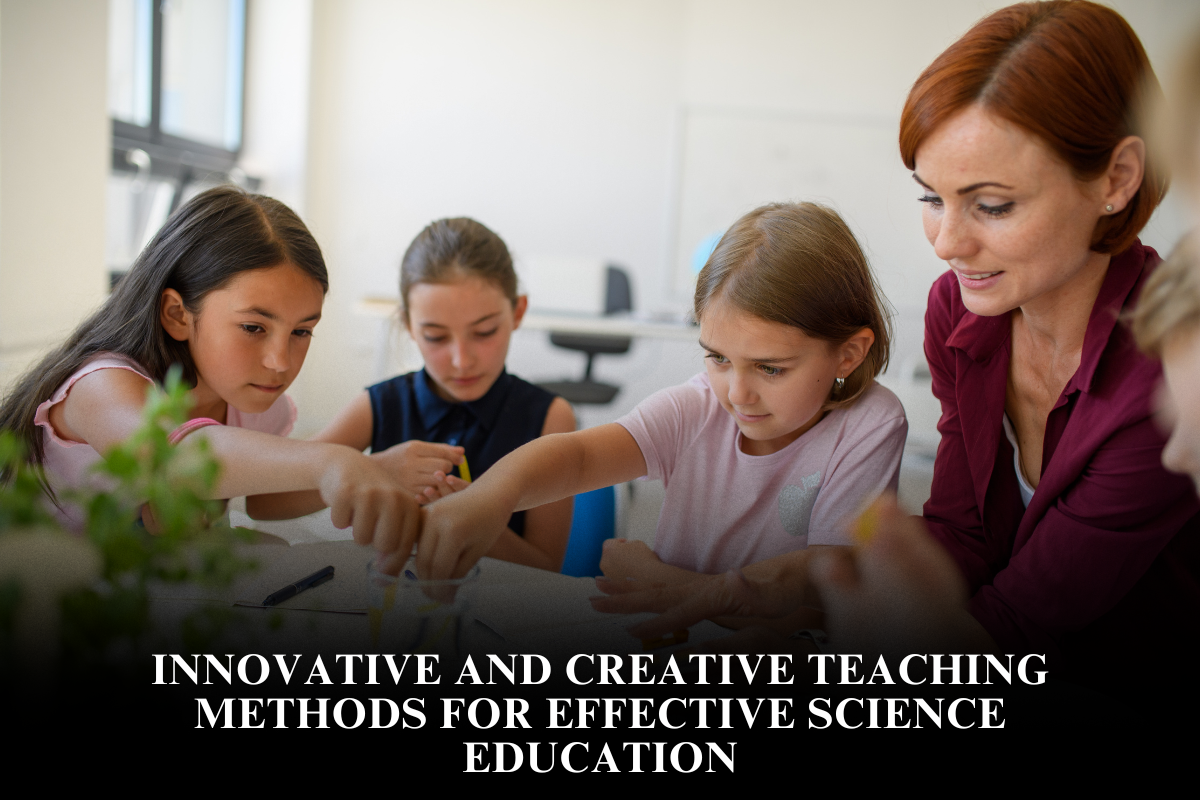
Role-playing atoms in chemical reactions or building circuits with everyday items immerses students physically and intellectually, clarifying complex processes like states of matter or force dynamics.
Mini-labs and science stations rotate groups through activities—testing conductivity, modeling rock formation, or observing insect metamorphosis—promoting differentiated learning and peer teaching.
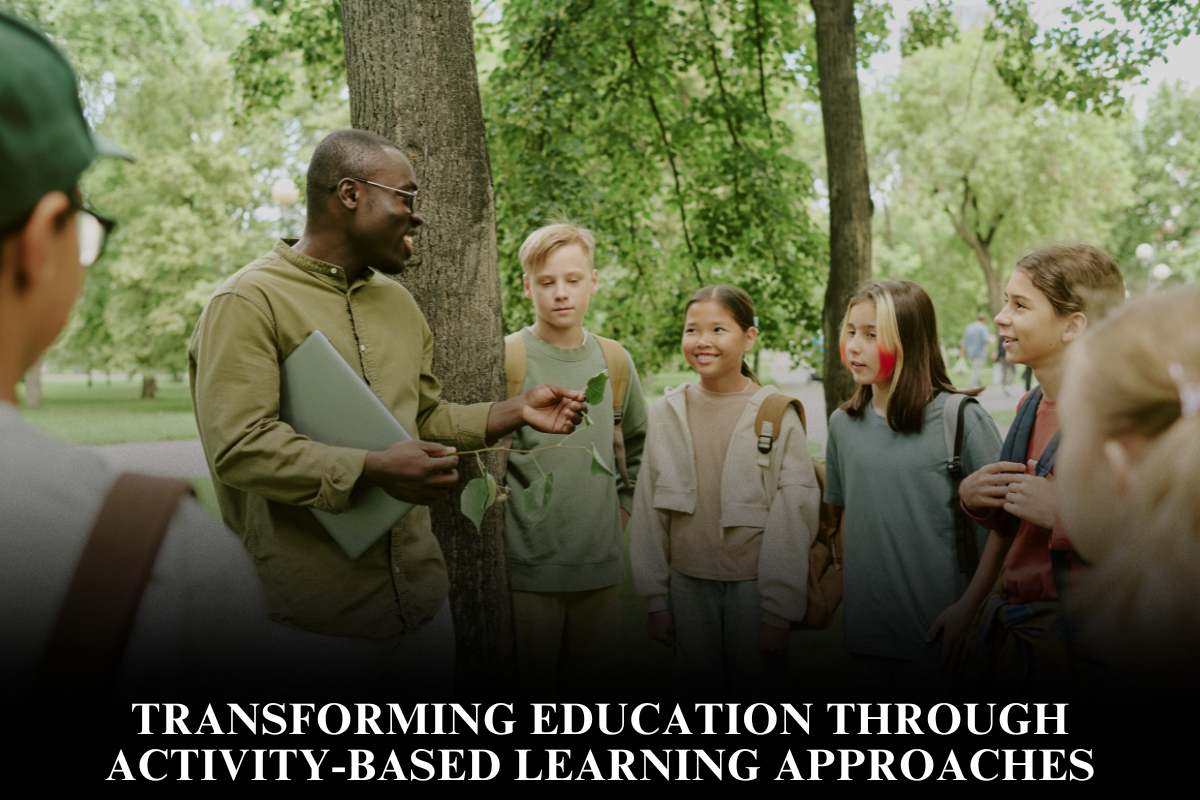
Field trips to museums or outdoor observations link theory to reality, deepening understanding through diverse settings.
Technology-Driven Immersion
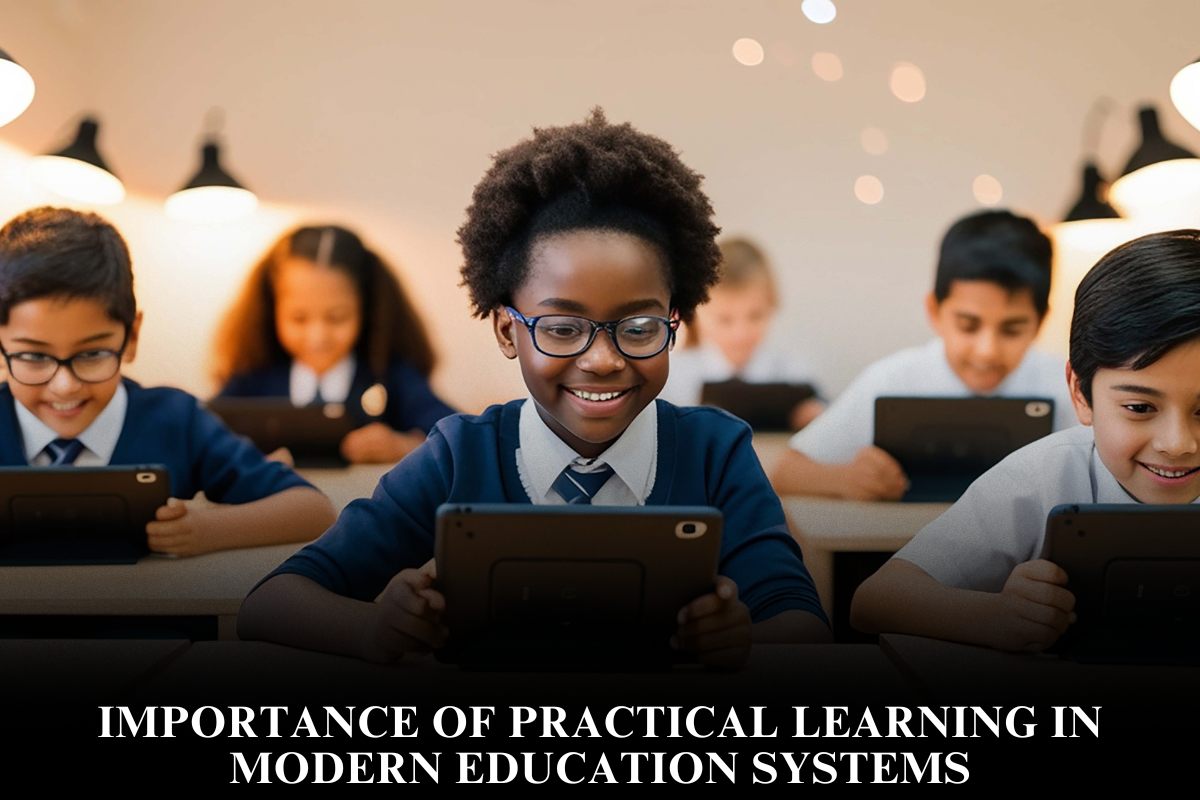
Virtual labs and AR/VR apps like Merge Cube let students dissect digitally or explore 3D molecules safely, replicating experiments without costs or hazards.
AI simulations and apps (e.g., JoVE videos) provide instant feedback on biology or physics, while gamification via Kahoot! turns quizzes into competitions reinforcing concepts. Flipped classrooms use pre-video tutorials for in-class labs, freeing time for guided practice and discussions.
Collaborative and Project-Based Strategies
Project-based learning starts with driving questions, guiding inquiry into topics like ecosystems, with student choice in presentations or models. Peer-to-peer methods—buzz groups, jigsaws, or think-pair-share—encourage explaining concepts mutually, building confidence and diverse perspectives. Multimedia like interactive whiteboards, Pinterest for visuals, or science songs gamify retention of astronomy or botany basics.
Assessment and Reflection Tools
Quizzes as whole-class games or digital microscopes for shared observations provide real-time data, while reflection journals track growth. Anchor charts and fishbone diagrams visualize processes like energy types, aiding review and creativity.
FAQ
What makes hands-on methods effective?
They engage multiple senses, improving retention via physical involvement like role-playing reactions.
How do VR/AR enhance science?
They offer safe, immersive 3D explorations of cells or planets without real-world risks.
Best for collaboration?
Think-pair-share or jigsaws, fostering peer explanation and critical thinking.
Can gamification work in science?
Yes, tools like Kahoot! boost participation and concept reinforcement competitively.
How to flip a science class?
Assign videos pre-class for lab-focused sessions and deeper inquiry.