In today’s rapidly evolving education landscape, learning beyond textbooks through experiential education has become crucial. Experiential education centers on acquiring knowledge through direct experience, active participation, and reflection, rather than passively absorbing information from textbooks alone. This approach not only deepens understanding but also equips learners with practical skills and critical thinking essential for real-world success.
What is Experiential Education?
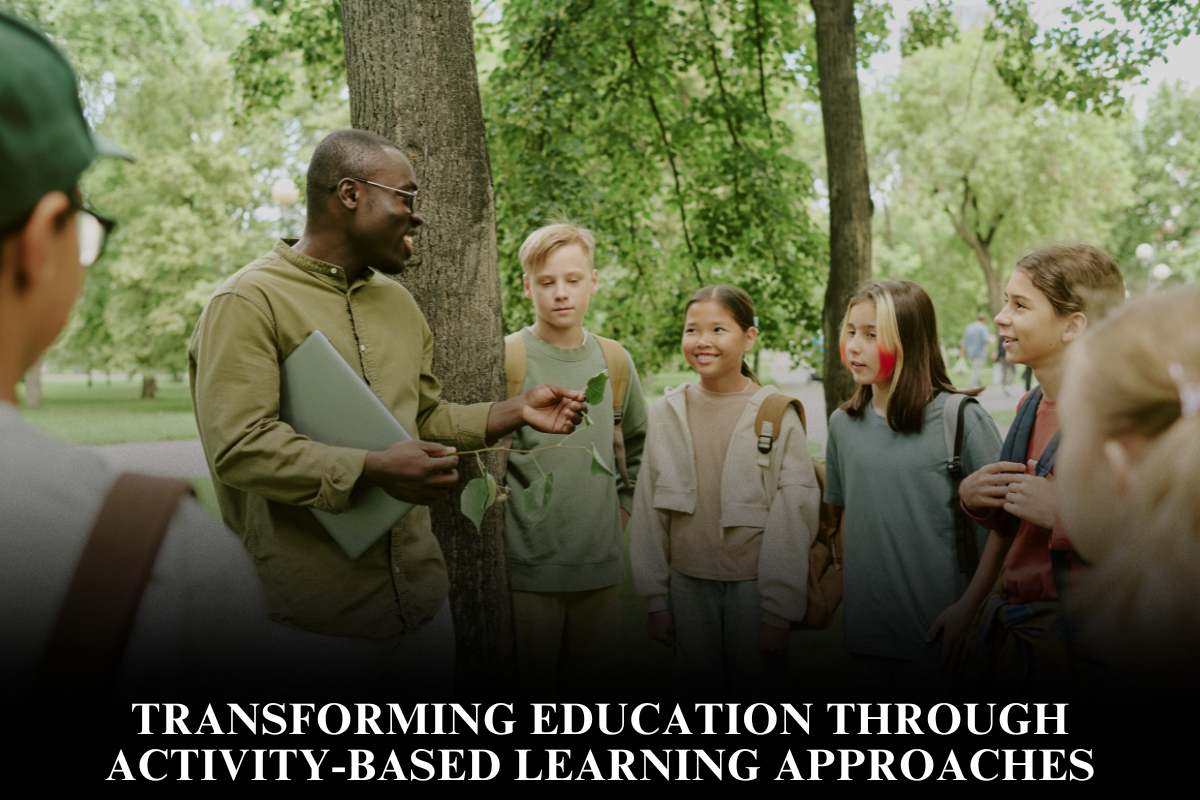
Experiential education is a learner-centered approach that emphasizes “learning by doing.” It involves immersing students in hands-on activities, real-world scenarios, projects, field studies, and collaborative ventures where they apply theoretical concepts in practice.
This method allows learners to observe outcomes, engage their emotions and creativity, and continuously refine their knowledge through reflection and feedback.
Rooted in educational philosophies like that of John Dewey, experiential learning bridges the gap between theory and practice, fostering deeper comprehension and intellectual growth beyond textbook memorization.
Benefits of Learning Beyond Textbooks
This approach offers multiple advantages over traditional textbook-based methods:
- Enhanced Understanding and Retention: When students engage with concepts practically, abstract ideas become clearer and more memorable.
- Boosted Motivation and Engagement: Learning feels relevant and exciting, motivating students as they see the real-world impact of their studies.
- Development of Critical Life Skills: Hands-on education nurtures problem-solving, creativity, teamwork, leadership, and communication skills critical for future careers.
- Encouragement of Independence and Ownership: Experiential learning encourages students to take initiative and responsibility for their learning journey.
By transcending conventional classroom boundaries, learners become active participants in their education, promoting intellectual, emotional, and social growth.
Examples and Applications
Experiential education manifests in diverse forms such as:
- Science experiments and environmental conservation projects
- Internships and real-life industry collaborations
- Community service and social entrepreneurship ventures
- Flipped classrooms focusing on collaborative, applied learning during class time
- Cross-disciplinary projects integrating knowledge from multiple fields
Through these activities, learners gain hands-on experience, learn from failure, and develop innovative solutions, preparing them for the unpredictable demands of modern workplaces and society.
Why Experiential Education Matters
In the 21st century’s complex world, mastering rote textbook knowledge alone is insufficient. Experiential education equips learners with adaptability, creativity, and critical thinking to navigate real-world challenges.
It also respects diverse learning styles—visual, auditory, kinesthetic—by engaging students in interactive and practical ways. Ultimately, this method cultivates lifelong curiosity, self-confidence, and readiness to contribute meaningfully beyond academic settings.
FAQ
Q: How is experiential learning different from traditional teaching?
A: Traditional teaching often involves passive absorption of information from textbooks, while experiential learning involves active engagement through hands-on experiences and real-world application, leading to deeper understanding.
Q: Can experiential learning improve academic performance?
A: Yes, by connecting theory to practice, it enhances conceptual clarity and retention, often resulting in better academic outcomes alongside practical skills development.
Q: Is experiential learning suitable for all subjects?
A: Yes, it can be adapted across disciplines—from sciences and humanities to business and arts—through projects, internships, experiments, or real-life problem-solving activities.
Q: How does experiential learning benefit future career prospects?
A: It develops critical soft skills like leadership, communication, and problem-solving, providing learners with relevant job experience and making them more competitive in the workforce.
Q: What role does reflection play in experiential education?
A: Reflection helps learners analyze their experiences, draw connections to theoretical knowledge, and integrate lessons learned, ensuring meaningful and lasting comprehension.
By integrating experiential education into modern curricula, educational institutions prepare learners not only for academic success but also for life beyond textbooks, developing well-rounded, adaptable, and innovative individuals ready for the future.