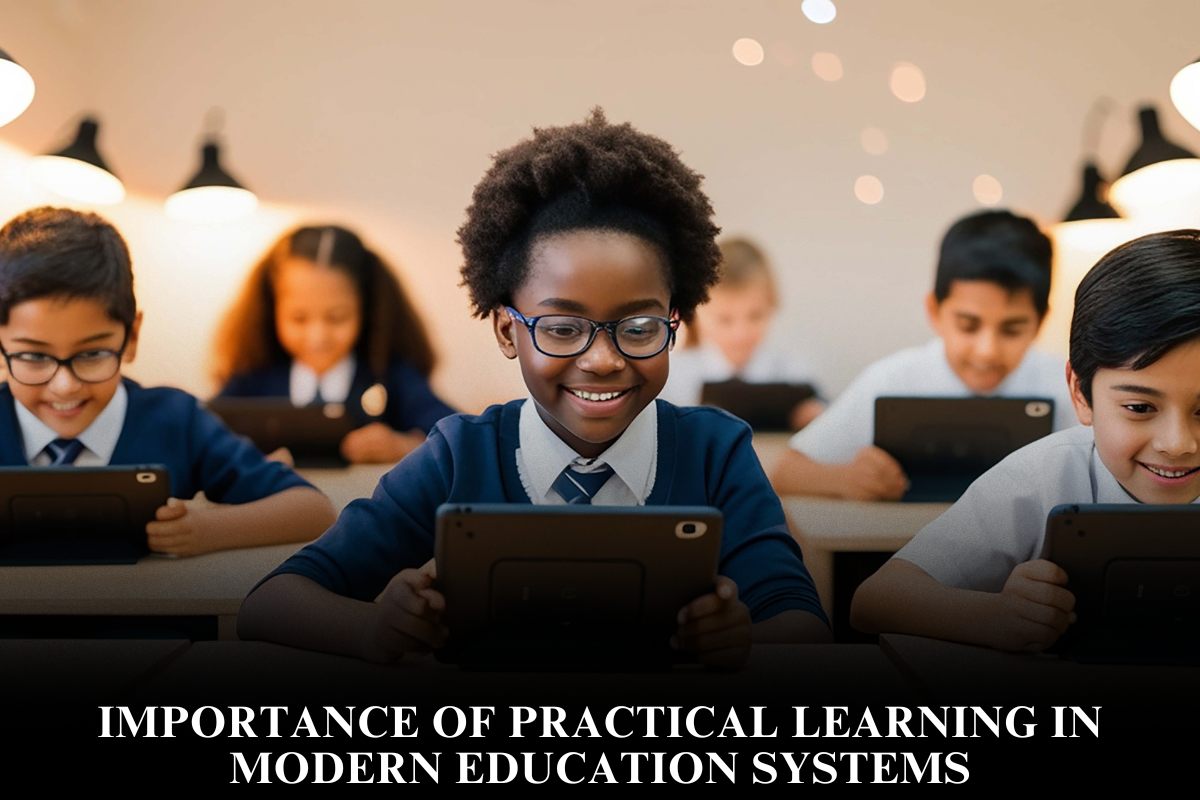
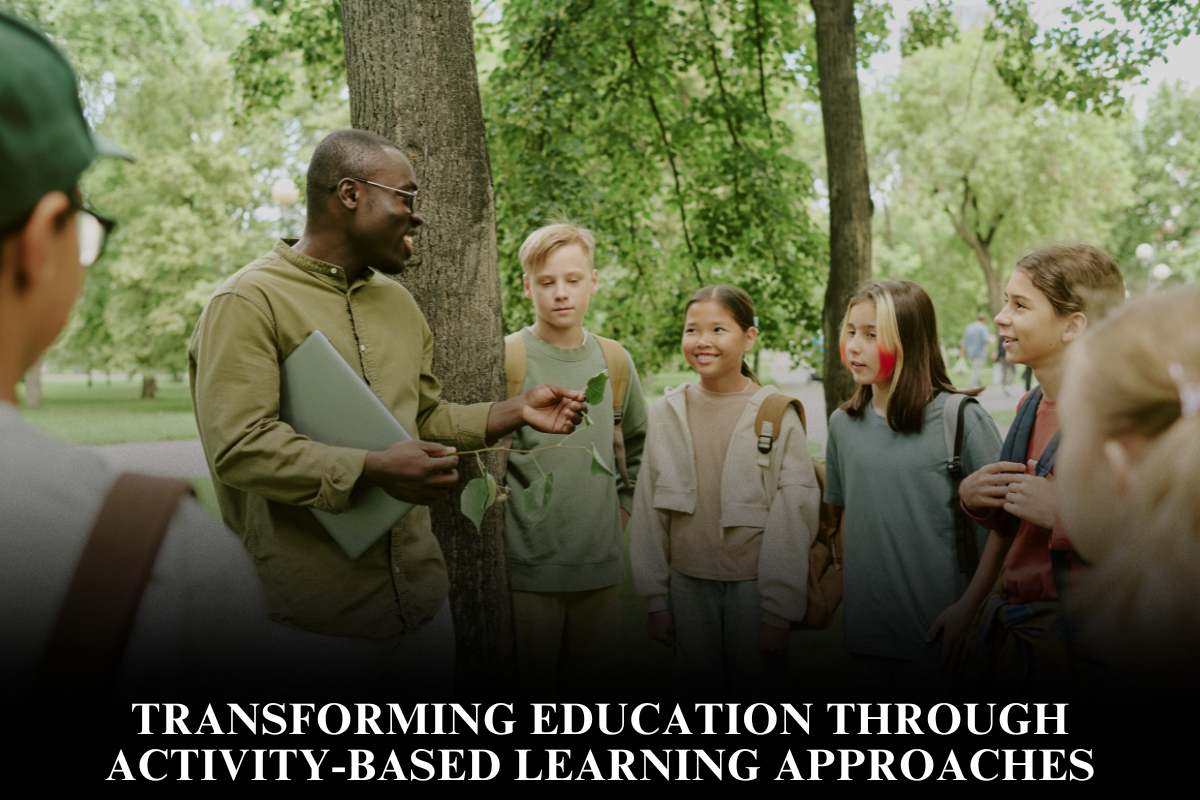
STEM education empowers rural and underprivileged students by bridging resource gaps, fostering skills for high-demand careers, and breaking poverty cycles, yet 6.5 million rural U.S. students face limited access compared to urban peers.
Programs like Aspirnaut achieve 95% college attendance and 85% persistence among participants, while initiatives in India and Uganda deliver practical training via digital platforms.
Targeted interventions counteract funding shortages, teacher scarcity, and connectivity issues to unlock economic potential.
Addressing Rural Resource Challenges
Rural schools serve small populations with low tax bases, receiving fewer funds despite high child poverty—often double community rates—limiting STEM labs and advanced courses. Only 35% of Ugandan rural children finish primary school due to financial barriers, while U.S. rural districts lack broadband for 30%+ of students. Solutions include remote labs boosting satisfaction and success rates over urban peers.
Proven Program Impacts
Aspirnaut’s pipeline yields 119 high school graduates with strong college outcomes, countering dropout risks. Infosys-eVidyaloka reaches 100 rural Indian schools via online STEM for grades 5-10, using volunteers on Springboard. AirScience’s SMS/radio model engages out-of-school Ugandan youth, enabling projects like bike chargers that win competitions and inspire returns to education. These yield 85-90% success in exams and persistence.
Building Interest and Equity
Rural students show high STEM interest when exposed, but perceptions lag due to theoretical teaching and absent equipment. Inclusive programs equip South African disadvantaged youth with job-market skills, fighting inequality. Remote experiments and community-relevant content—like agriculture tech—enhance engagement.
Strategies for Scale
Leverage digital platforms, volunteer teachers, and partnerships for labs, books in local languages, and internet expansion. Train educators in practical STEM to overcome gaps.
Key Program Outcomes
FAQ
Q1: Why do rural students lack STEM access?
Small tax bases, teacher shortages, and no broadband limit labs/courses.
Q2: How effective are digital STEM programs?
Remote labs exceed urban success; Air Science transforms dropouts.
Q3: What outcomes do pipelines achieve?
95% college attendance, 85% persistence like Aspirnaut.
Q4: How to scale for underprivileged areas?
Volunteers, online platforms, local-language resources.