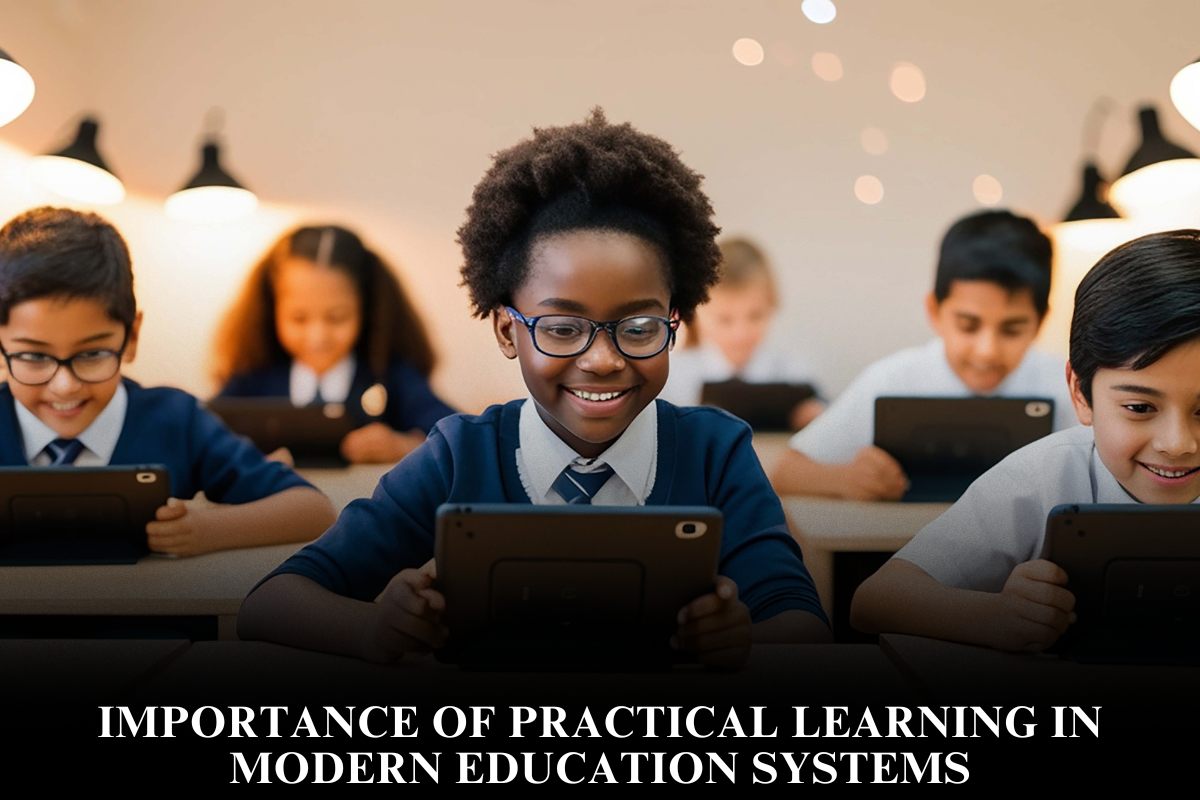
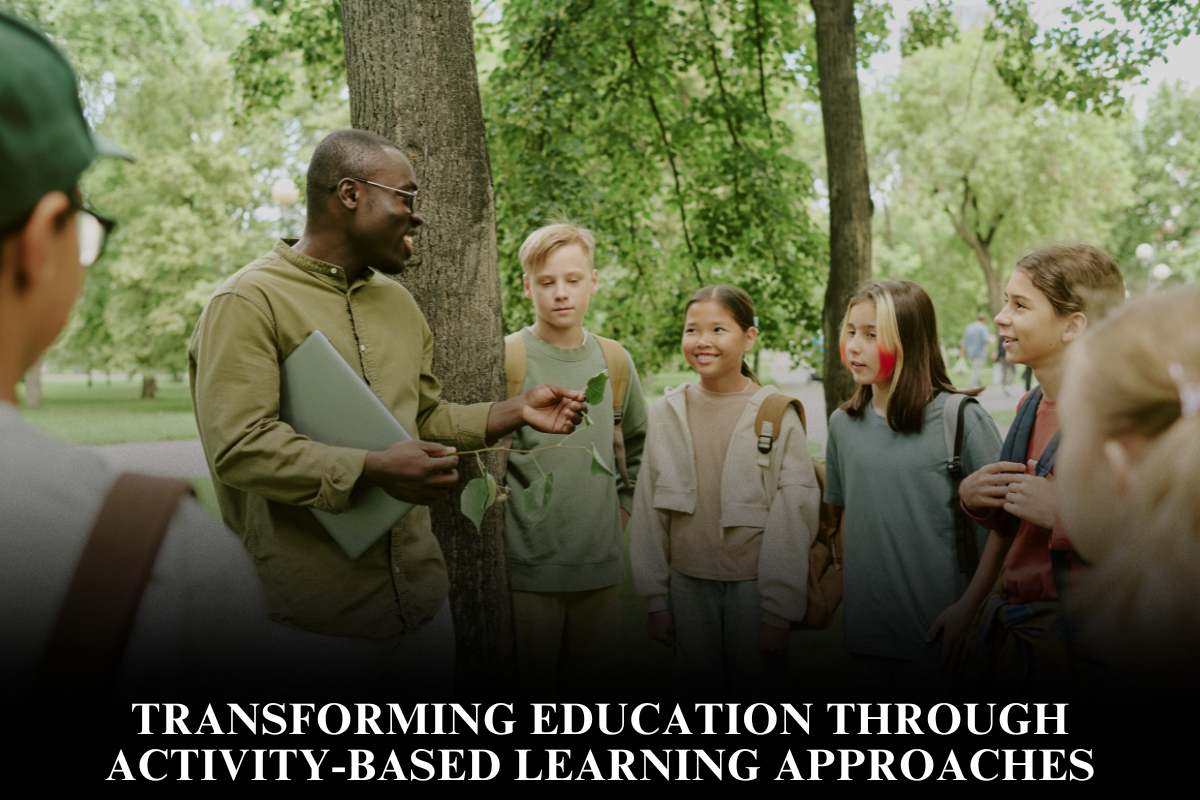
Inclusive education ensures that all students, regardless of their background, ability, or needs, have equitable access to quality learning opportunities. It not only benefits students with disabilities but enriches the entire learning environment by fostering diversity, empathy, and acceptance. Schools that embrace inclusion create communities where every child feels valued and empowered to thrive academically and socially.
What Is Inclusive Education?
Inclusive education integrates all students into mainstream classrooms, providing appropriate support and resources to meet diverse learning needs. It moves beyond simple integration to actively promote participation, respect, and collaboration among students of different abilities and backgrounds. This approach centers on removing barriers to learning and ensuring equal opportunities within a supportive environment.
Academic Benefits for All Students
Research consistently shows that inclusive classrooms improve academic outcomes not only for students with disabilities but also their peers. Exposure to diverse learning styles and perspectives encourages critical thinking, adaptability, and creativity. Teachers develop more effective, flexible instructional methods benefiting the entire class. Inclusive settings also increase student engagement, motivation, and participation.
Social and Emotional Growth
Inclusive education nurtures empathy, communication skills, and social interaction by bringing students into regular contact with peers from varied backgrounds. It reduces stigma and promotes positive attitudes toward diversity, building friendships and emotional intelligence. Students learn to appreciate different talents and challenges, fostering a more compassionate and cohesive community.
Preparing Students for the Real World
Inclusive schools simulate the diversity of society, preparing students for diverse workplaces and communities. Students develop teamwork skills, cultural awareness, and conflict resolution abilities crucial for adult life. Inclusion instills confidence and a sense of belonging, enabling all learners to contribute meaningfully to society.
Key Elements for Effective Inclusion
Successful inclusive education requires accessible materials, trained educators, adaptive teaching strategies, and peer support systems. Individualized Education Plans (IEPs) and Universal Design for Learning help tailor teaching to varied needs. Inclusive environments prioritize respect, patience, and collaboration among students and staff.
Building an Inclusive Culture
Schools, families, and communities must collaborate to cultivate values of acceptance and equity. Celebrating diversity through multicultural events and inclusive curricula reinforces positive social norms. Leadership commitment, ongoing professional development, and resource investment are critical for sustaining inclusive practices.
FAQ
What is the goal of inclusive education?
To provide equitable learning opportunities within supportive, diverse classrooms for all students.
How does inclusion benefit academic learning?
It enhances critical thinking, adaptability, engagement, and teaching effectiveness for all.
What social skills do students develop in inclusive settings?
Empathy, communication, teamwork, and respect for diversity are fostered.
Why is inclusion important for real-world readiness?
It prepares students to thrive in diverse workplaces and communities with confidence and skills.
How can schools create inclusive cultures?
Through collaboration, celebration of diversity, leadership support, and adaptive resources.