Hands-on learning is rapidly emerging as the future of education because it actively engages students in real-world experiences that deepen understanding, enhance skills, and foster lifelong motivation.
Hands-On Learning: The Future of Education
Key Benefits of Hands-On Learning
- Improved Knowledge Retention: Students retain up to 75% more information through active participation compared to passive reading or listening. Engaging multiple senses helps make abstract concepts concrete and memorable.
- Enhanced Skill Development: Practical activities develop critical thinking, problem-solving, creativity, and collaboration skills essential for the modern workforce.
- Increased Engagement and Motivation: Hands-on projects, experiments, and real-world tasks make learning dynamic and enjoyable, fostering curiosity and a passion for discovery.
- Bridging Theory and Practice: Students gain a deeper understanding by applying academic concepts to tangible challenges, preparing them for real-life situations.
- Social and Emotional Growth: Collaborative hands-on learning nurtures teamwork, communication, and emotional intelligence while building confidence.
- Adaptability and Innovation: Encouraging experimentation and resilience helps students thrive in rapidly changing environments driven by technology and innovation.
Innovative Hands-On Methods Shaping Education
- Project-Based Learning: Students investigate and solve real-world problems through collaborative projects.
- STEM Labs and Makerspaces: Providing tools and space for creative exploration in science, technology, engineering, and math.
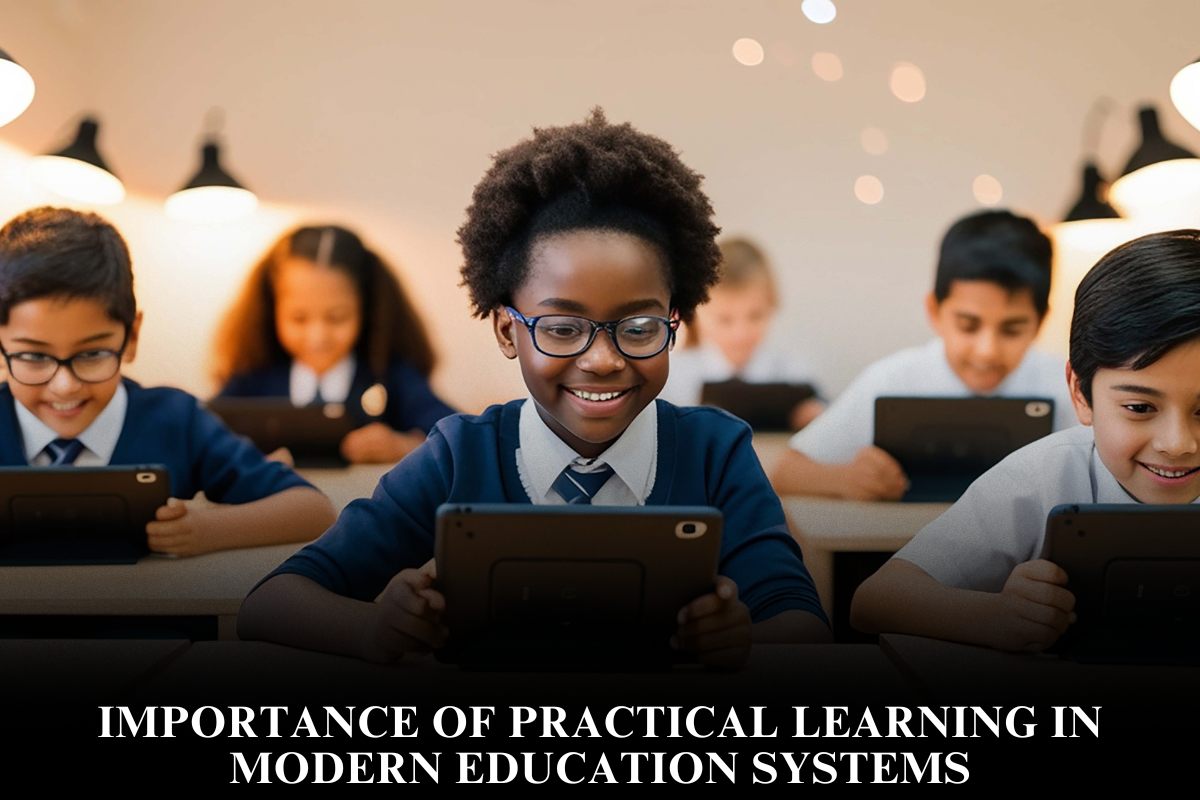
- Simulations and Virtual Reality: Immersive digital experiences that enhance practical understanding while offering safe environments to explore complex scenarios.
- Gamification: Educational games increase motivation and reinforce concepts through interactive challenges.
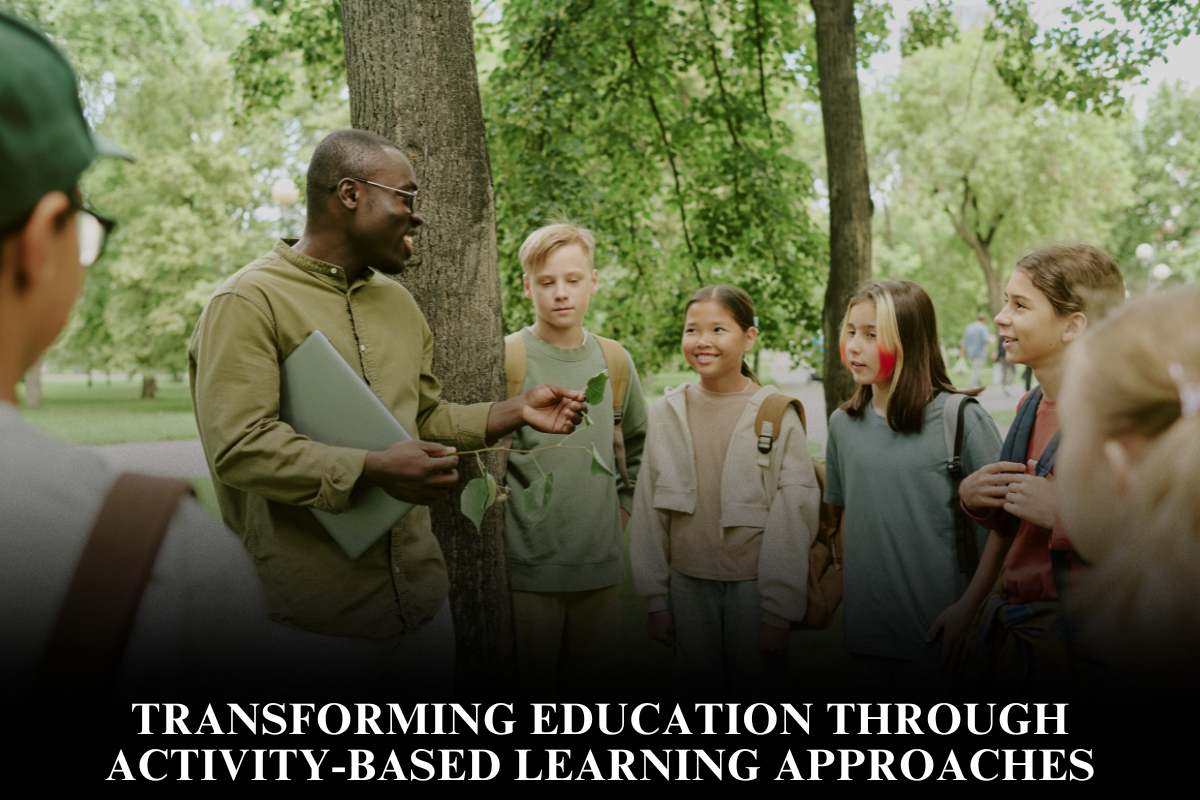
- Community-Engaged Learning: Involving learners in local projects connects classroom knowledge with community impact.
Frequently Asked Questions (FAQ)
Q: How does hands-on learning benefit different types of learners?
A: It especially supports visual, kinesthetic, and social learners by providing experiential contexts that suit their learning styles, making education more inclusive.
Q: Can hands-on learning be integrated with traditional education?
A: Yes, blended approaches that combine lectures with active activities create balanced and effective learning environments.
Q: What age groups benefit most from hands-on learning?
A: All age groups benefit, from early childhood through higher education and vocational training, adapting complexity accordingly.
Q: How does hands-on learning prepare students for the future workforce?
A: It cultivates critical skills such as adaptability, innovation, teamwork, and problem-solving essential in modern careers.
Q: What role does technology play in hands-on learning?
A: Tools like AR, VR, and digital design platforms enhance physical activities, making learning interactive and accessible.