Educational outreach involves proactive efforts by educational institutions, government bodies, NGOs, and community organizations to extend learning opportunities beyond traditional classrooms to reach diverse populations in both urban and rural areas. The goal is to reduce educational disparities by addressing location-specific challenges and making quality education accessible, relevant, and inclusive.
Urban Outreach Initiatives
Urban areas often face challenges such as overcrowded schools, socio-economic disparities, and digital divides. Outreach in urban regions focuses on:
- Supplementary tutoring and mentorship programs targeting underprivileged neighborhoods.
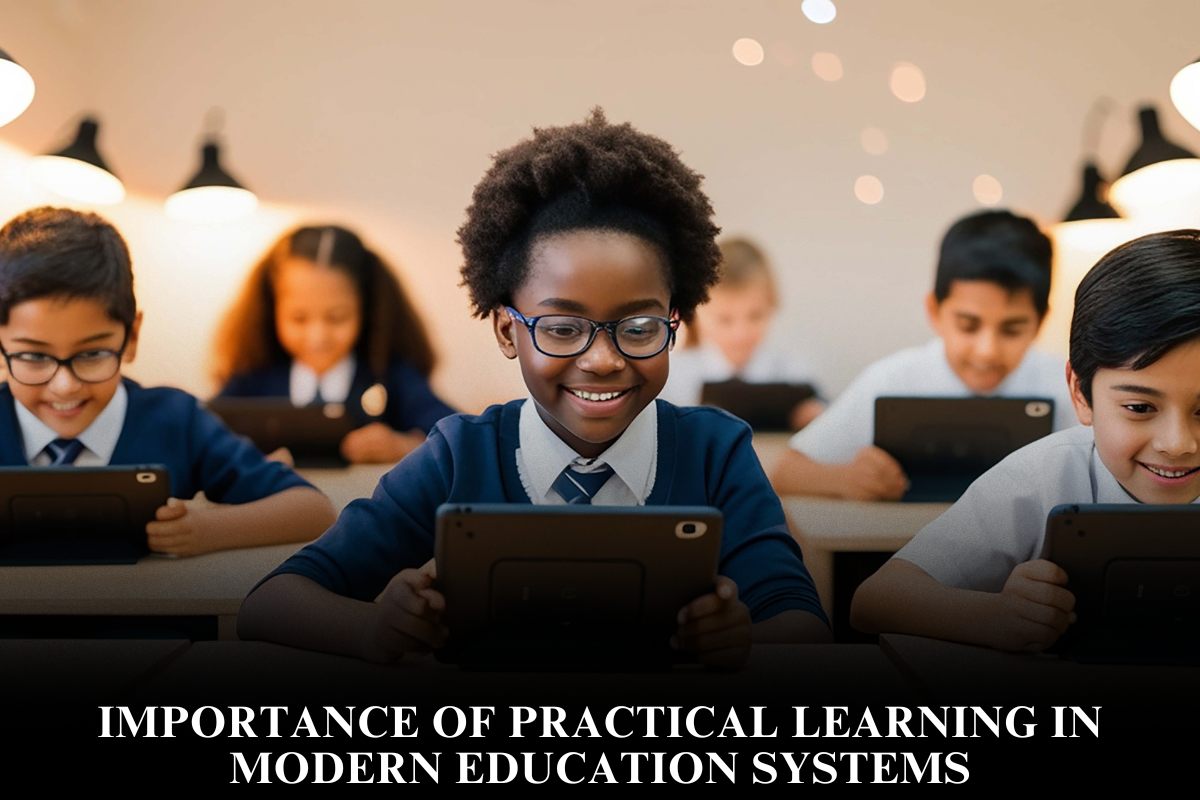
- Technology-enabled learning centers offering digital literacy and STEM enrichment.
- After-school clubs, science fairs, and workshops to foster curiosity and skill development.
- Collaborative projects with local universities and industries promoting innovation and career awareness.
- Awareness campaigns tackling issues like school dropout and gender disparity in education.
Rural Outreach Approaches
Rural education outreach confronts infrastructure deficits, scarcity of trained teachers, and limited access to educational resources. Strategies include:
- Mobile learning units and digital classrooms equipped with computers and internet access.
- Establishing Common Service Centres (CSCs) as resource hubs offering educational content and government services.
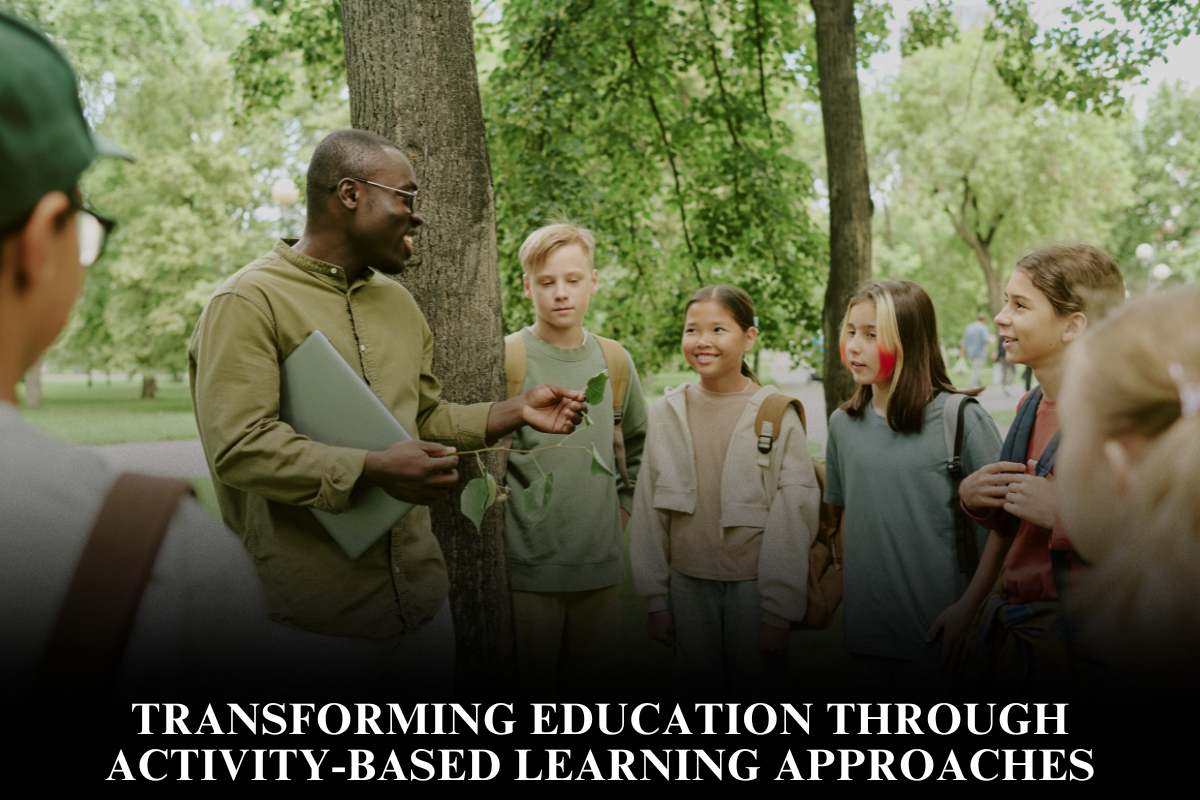
- Community-based teacher training to improve quality instruction.
- Culturally relevant curriculum design integrating local knowledge and languages.
- Engagement of local volunteers and NGOs to promote enrollment and retention.
- Use of radio, mobile apps, and offline digital content for remote learning.
Importance of Contextualized Approaches
Effective outreach tailors interventions to unique urban or rural contexts. Urban solutions often leverage technology and institutional partnerships, while rural strategies focus on overcoming physical and resource limitations with low-cost, community-driven methods. Both prioritize inclusivity, gender equity, and addressing socio-economic barriers.
Role of Technology in Bridging Gaps
Digital tools and platforms are vital for reaching dispersed learners in rural areas and supplementing urban education. E-learning apps, virtual classrooms, and digital libraries expand access, while mobile phones enable remote communication and learning facilitation.
Community Engagement and Partnerships
Building trust through community involvement is key. Collaborations among schools, local governments, NGOs, and families foster supportive environments for learning. Outreach programs that involve parents and community leaders increase participation and sustainability.
Measuring Impact and Sustainability
Ongoing monitoring, feedback, and adaptation ensure outreach programs meet needs effectively. Sustainable models include capacity building of local educators, resource sharing, and policy integration.
FAQs
What is educational outreach?
It is the active extension of educational resources and support beyond formal schools to underserved or marginalized populations.
How do outreach needs differ between urban and rural areas?
Urban outreach addresses overcrowding and socio-economic barriers with tech and mentorship; rural outreach tackles infrastructure and access through mobile units and community involvement.
What role does technology play?
Technology bridges geographic and resource gaps, enabling e-learning, virtual classrooms, and resource access.
How important is community involvement?
Crucial for building trust, cultural relevance, and sustained participation.