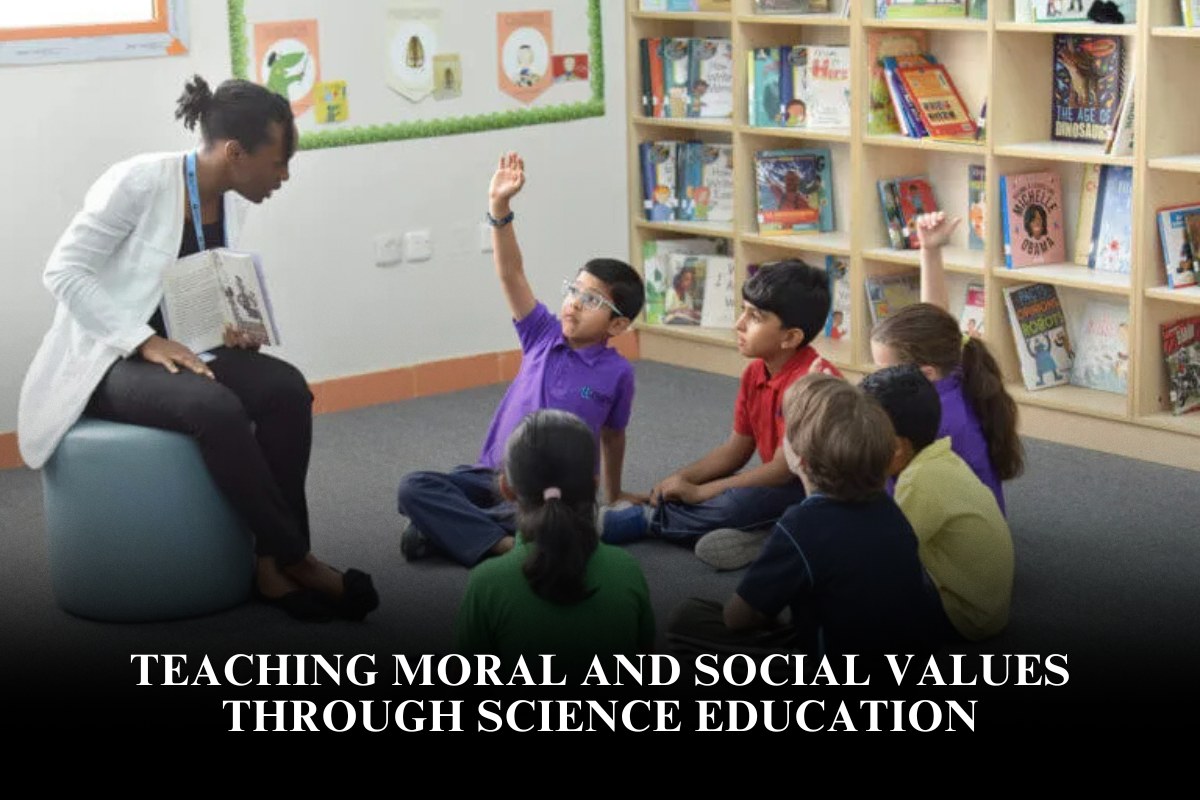
Teaching moral and social values through science education equips U.S. students with ethical reasoning alongside factual knowledge, fostering responsible citizens in a diverse society. Programs integrating ethics into STEM curricula help youth navigate dilemmas like genetic editing or climate action, aligning with national standards emphasizing socio-scientific issues. This approach strengthens communities by promoting empathy, equity, and stewardship.
Integrating Ethics into STEM Curricula
Science classes in U.S. schools increasingly tackle real-world controversies, such as CRISPR gene editing or AI biases, prompting debates on fairness and human rights. NGSS frameworks encourage “science and society” units where students weigh benefits against risks, like vaccine equity during pandemics. Teachers use case studies from American history, including Tuskegee experiments, to discuss informed consent and justice.
Fostering Empathy Through Environmental Science
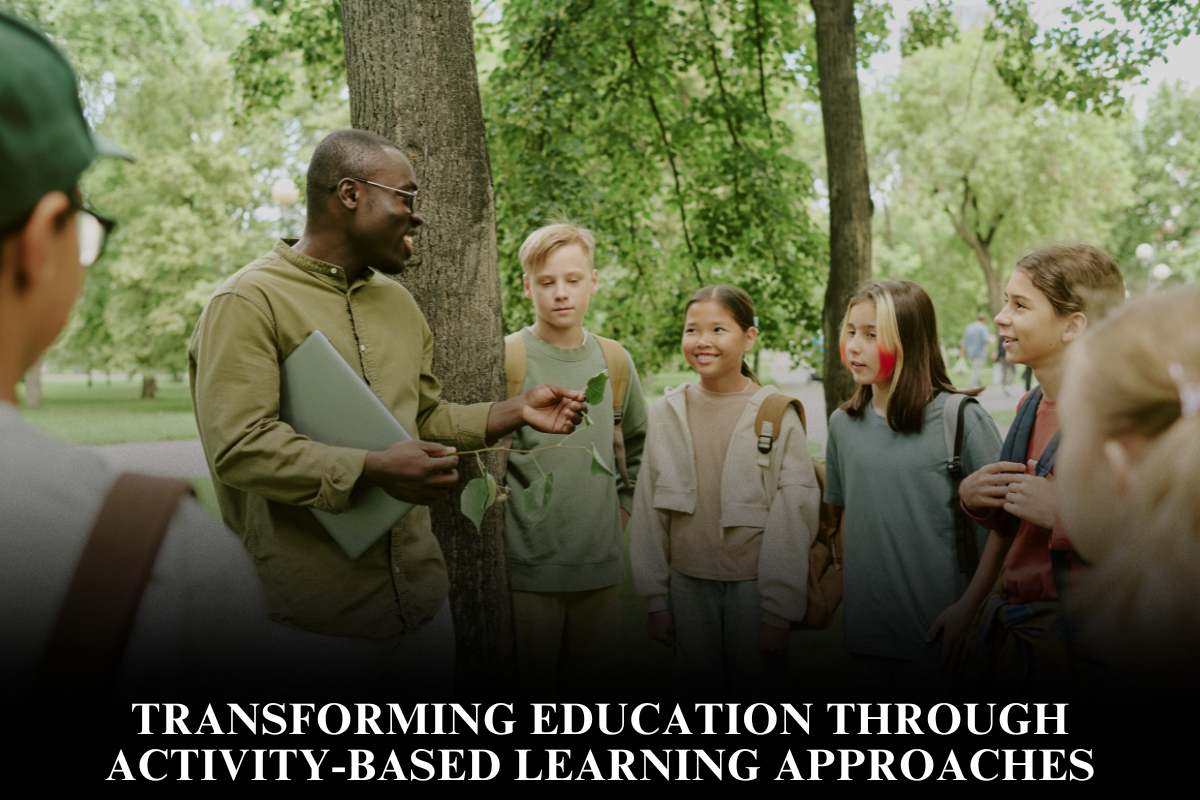
Hands-on ecology projects reveal interconnectedness, teaching values like sustainability and intergenerational equity amid U.S. climate challenges. Students in programs like Project Learning Tree analyze local pollution, debating corporate responsibility versus community health. This builds compassion for marginalized groups hit hardest by environmental racism in areas like Flint or Cancer Alley.
Promoting Equity and Inclusivity in Biology
Genetics lessons explore human variation, debunking racism through DNA evidence and highlighting social justice in healthcare access. Initiatives like HHMI BioInteractive use stories of underrepresented scientists, such as Henrietta Lacks, to instill respect for dignity and credit. Classroom role-plays on organ donation ethics cultivate fairness and anti-discrimination values.
Encouraging Integrity in Experimental Design
Lab activities stress honest data reporting and peer review, mirroring scientific integrity amid U.S. reproducibility crises. Students replicate studies on topics like climate data, confronting biases and learning accountability. Codes of conduct, akin to AAAS guidelines, reinforce truthfulness as a moral imperative.
Building Global Citizenship via Astronomy and Physics
Units on space exploration discuss international cooperation, like the ISS, promoting peace and shared humanity. Physics debates on nuclear energy balance progress with disarmament ethics, drawing from Hiroshima lessons. These instill humility before the universe’s scale and responsibility for technological impacts.
Community Impact Through Service-Learning Projects
Science fairs evolve into outreach, where students teach peers about water quality or renewable energy, embodying service. Partnerships with 4-H or Scouts integrate values like teamwork and perseverance, strengthening social bonds in rural and urban U.S. communities alike. Long-term, alumni pursue STEM careers with ethical compasses, addressing societal needs.
Science education thus weaves moral fabric into intellectual growth, preparing Americans for ethical innovation.
FAQ
Q1. How does NGSS support moral teaching in science?
It mandates socio-scientific issues, blending facts with ethics on topics like biotech equity.
Q2. Why use environmental projects for empathy?
They highlight disparities in pollution impacts, fostering care for vulnerable U.S. populations.
Q3. What biology topics build inclusivity?
Human genetics and stories like Henrietta Lacks teach anti-racism and consent values.
Q4. How do labs instill integrity?
Through data honesty and peer review, countering real-world scientific misconduct.
Q5. What role do service projects play?
They apply science communally, reinforcing service, teamwork, and civic duty.